$15.50
Printemps été 2026
Si « handi » et « crip » (dérivé de cripple, signifiant « infirme ») sont les diminutifs de mots stigmatisants, le sens qu’on leur donne n’a rien de réducteur. Au contraire, ils sont dotés d’une charge politique qui procure aux personnes qui les revendiquent un puissant levier d’émancipation, offrant aux artistes en situation de handicap des manières non normatives d’exprimer les temporalités singulières de leur expérience et de se frayer un chemin dans le monde de l’art validiste. C’est à ces efforts de transformation sociale et politique, mais aussi culturelle, que ce dossier s’intéresse, en s’attardant aux manières dont les auteur·es et artistes handi·es et crips abordent les différents défis auxquels elles et ils font face.
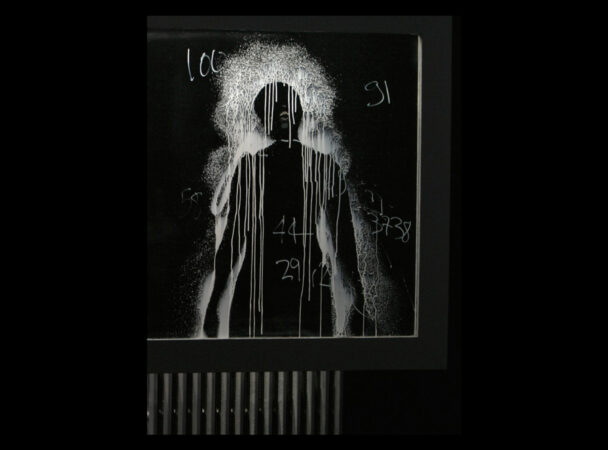
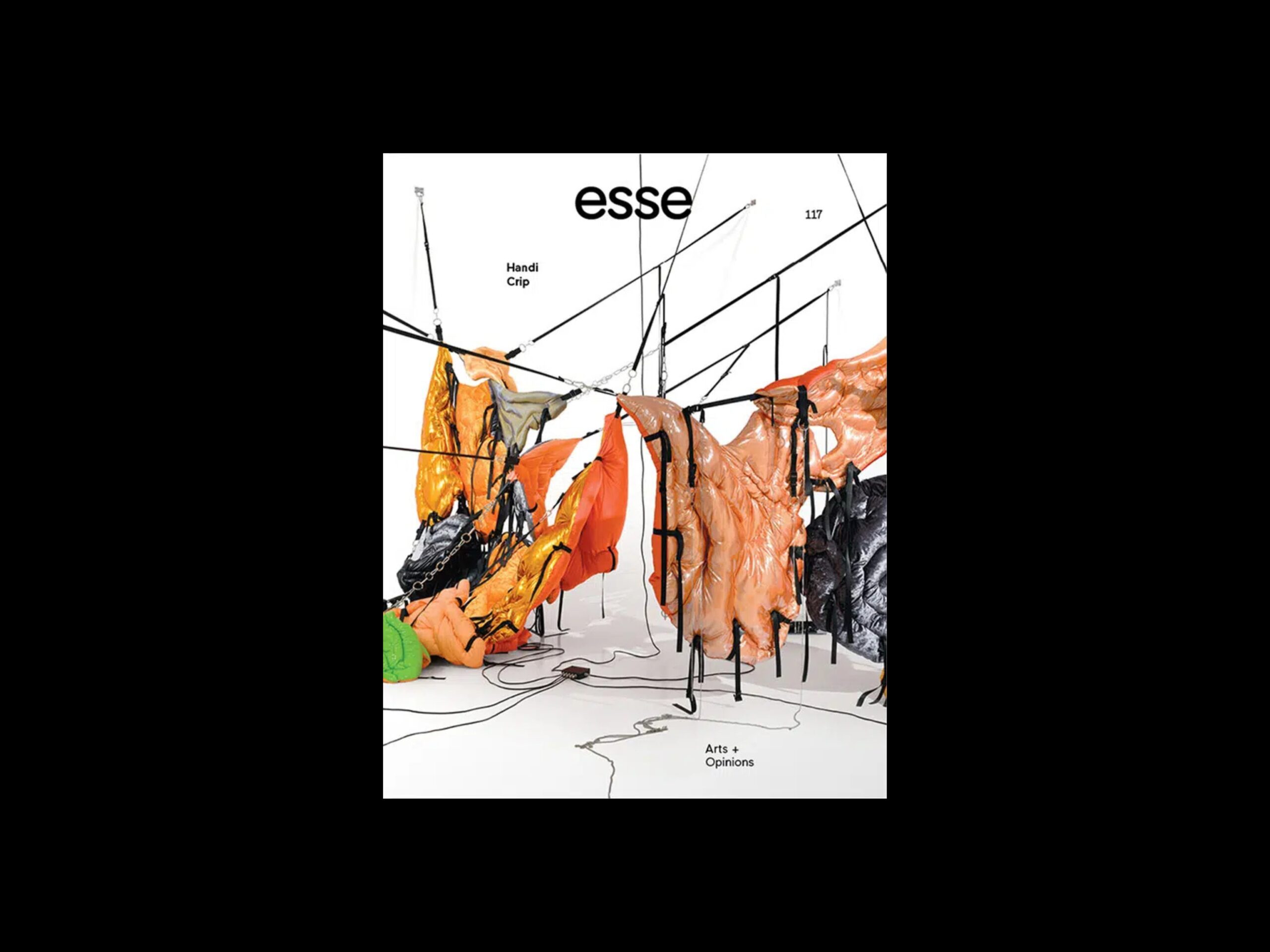
Couverture : Hac Vinent
vue d’exposition, Fundació Joan Miró, Barcelone, 2024.
Photo : Roberto Ruiz, permission de l’artiste & ADN Galeria, Barcelone
Spring Summer 2026
While “handi” (short for the term “handicapé” in French) and “crip” (derived from “cripple,” meaning “disabled”) are diminutive forms of stigmatizing terms, the meaning we ascribe to them is by no means reductive. On the contrary, they carry a political weight that provides those who embrace them with a powerful tool for empowerment, offering disabled artists non-normative ways for articulating the strange temporalities of disabled experience and alternative ways for navigating an ableist art world. In this issue, we are interested precisely in this work of social, political, and cultural transformation, and we focus on the ways in which crip authors and artists address the different challenges they face.
Cover: Hac Vinent
exhibition view, Fundació Joan Miró, Barcelona, 2024.
Photo: Roberto Ruiz, courtesy of the artist & ADN Galeria, Barcelona