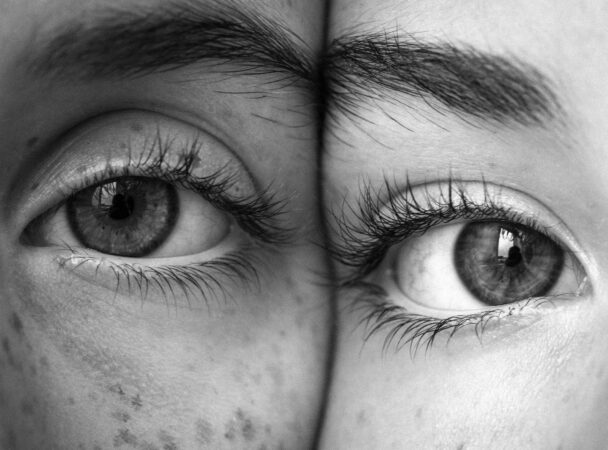
Anne-Renée Hotte
Les rencontres ne savent pas qu’elles ont lieu
09.11–10.24.2026
Past
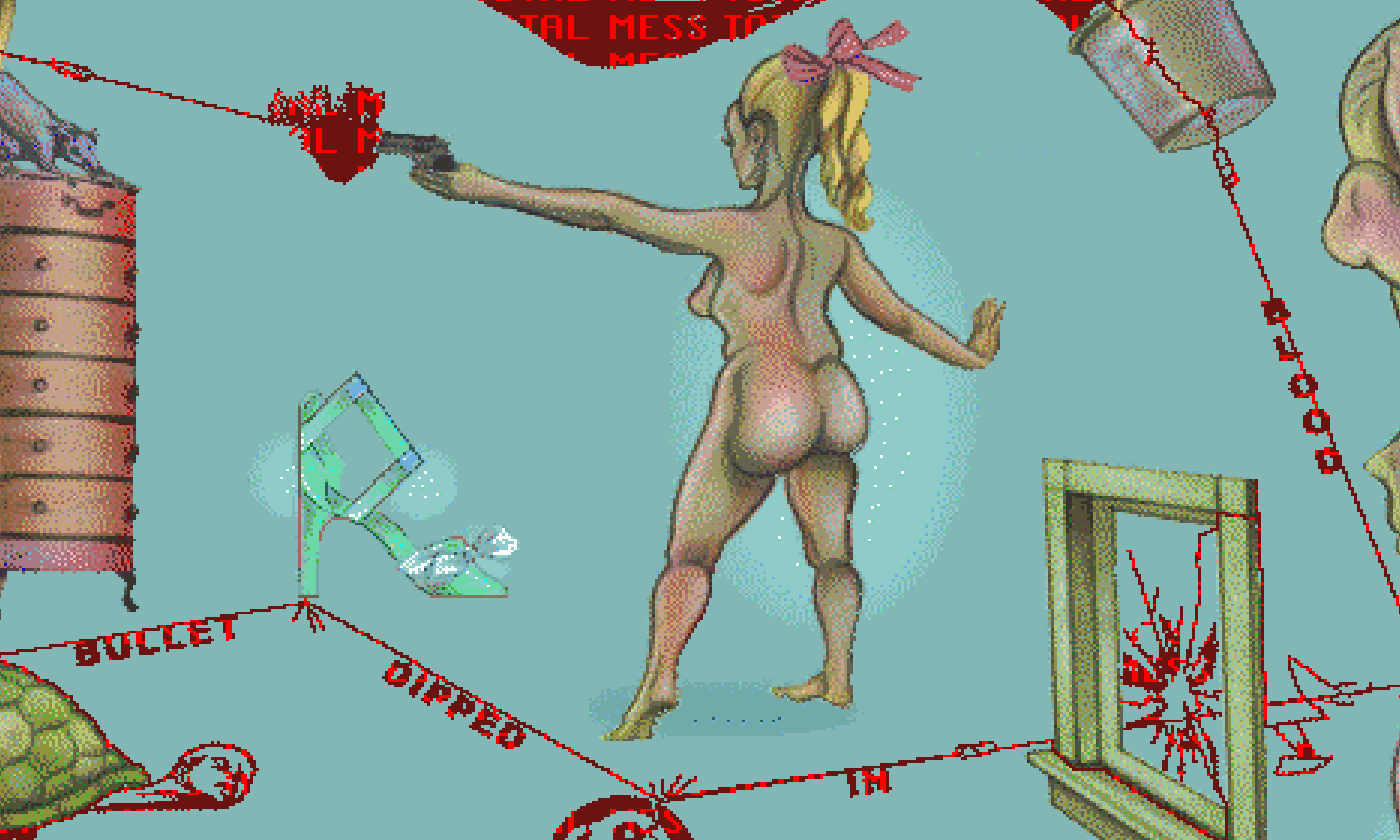
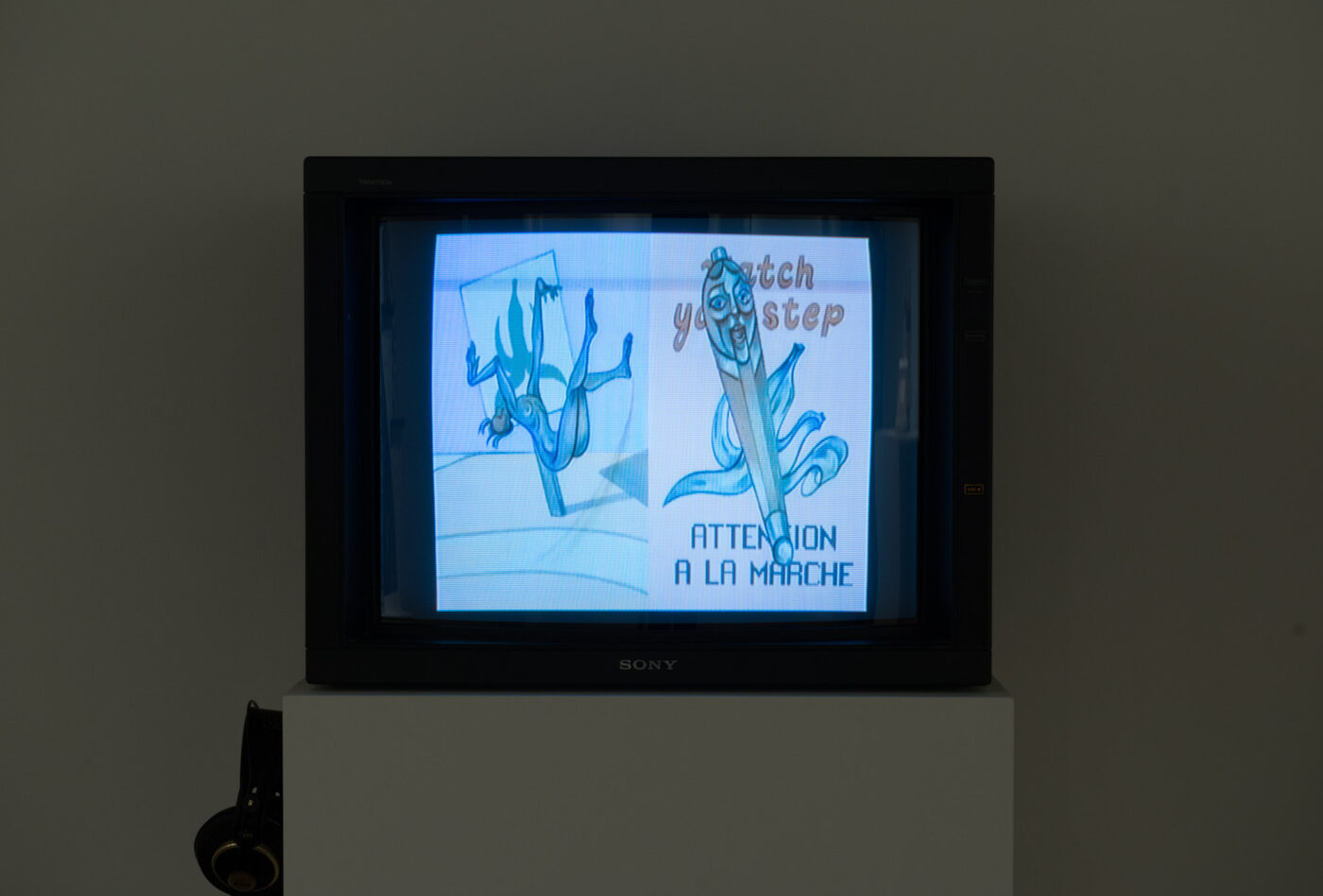
Daniel Barrow, "At First I Thought It Was a Mannequin" (extrait vidéo), 2018
Artist
Daniel Barrow
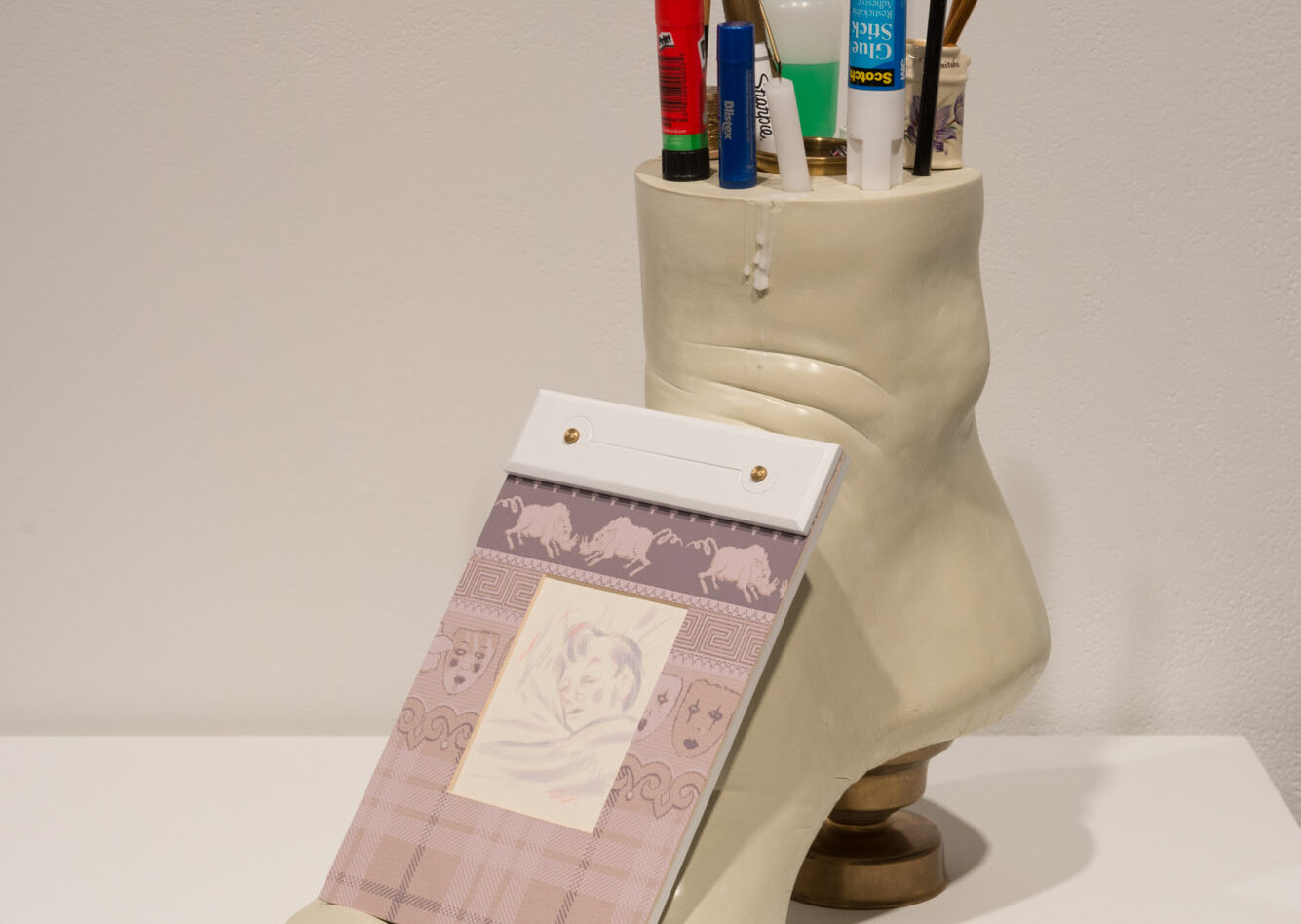
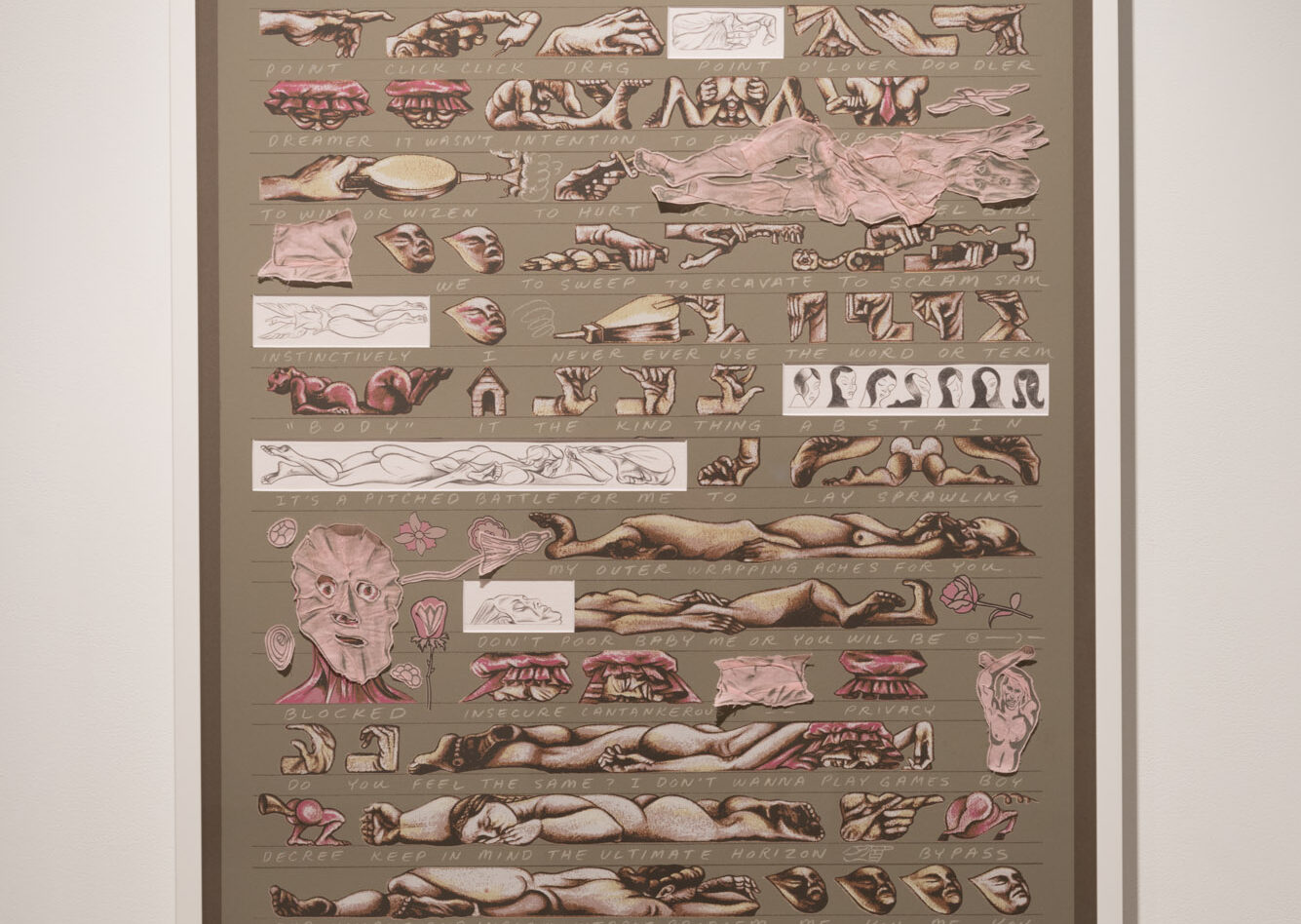
Daniel Barrow’s multidisciplinary work, which includes installation, sculpture, animation and works on paper, is rooted in an almost compulsive drawing practice that is both prolific and excessive. Through anachronistic references that range from vintage video game esthetics to comic books to the dark theatricality of the Victorian era, Barrow’s works form narrative constructions in which language, whether real or imagined, occupies a predominant role. Within Barrow’s well-known performances, where his live narration accompanies manipulated, projected drawings, an honest yet ironic tragicomic voice has been firmly established, and is present throughout these works. The exhibition’s title sets the tone: we must distinguish the true nature of things; a rather complex undertaking given the artist’s penchant for fabricated worlds where dualities comfortably coexist.
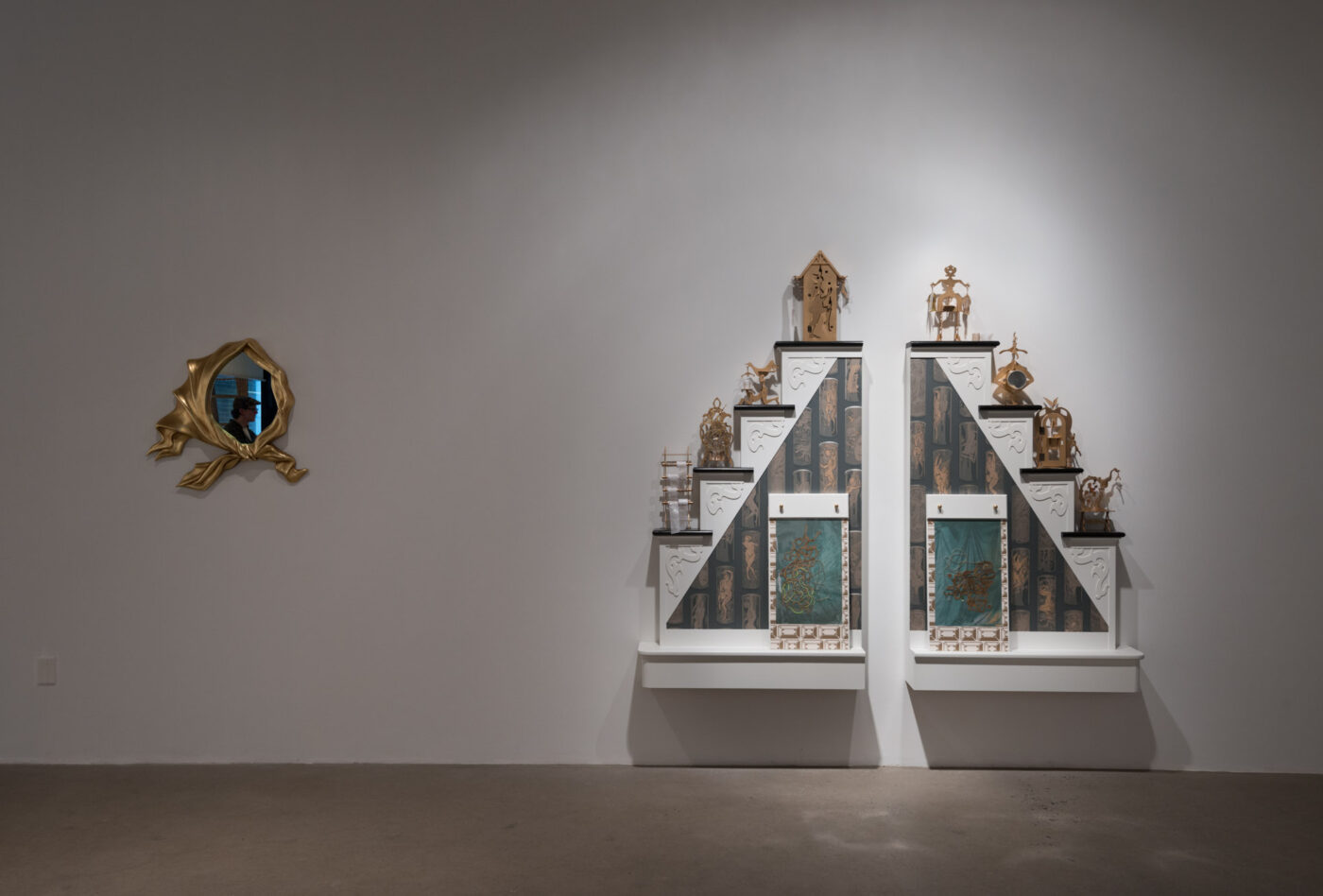
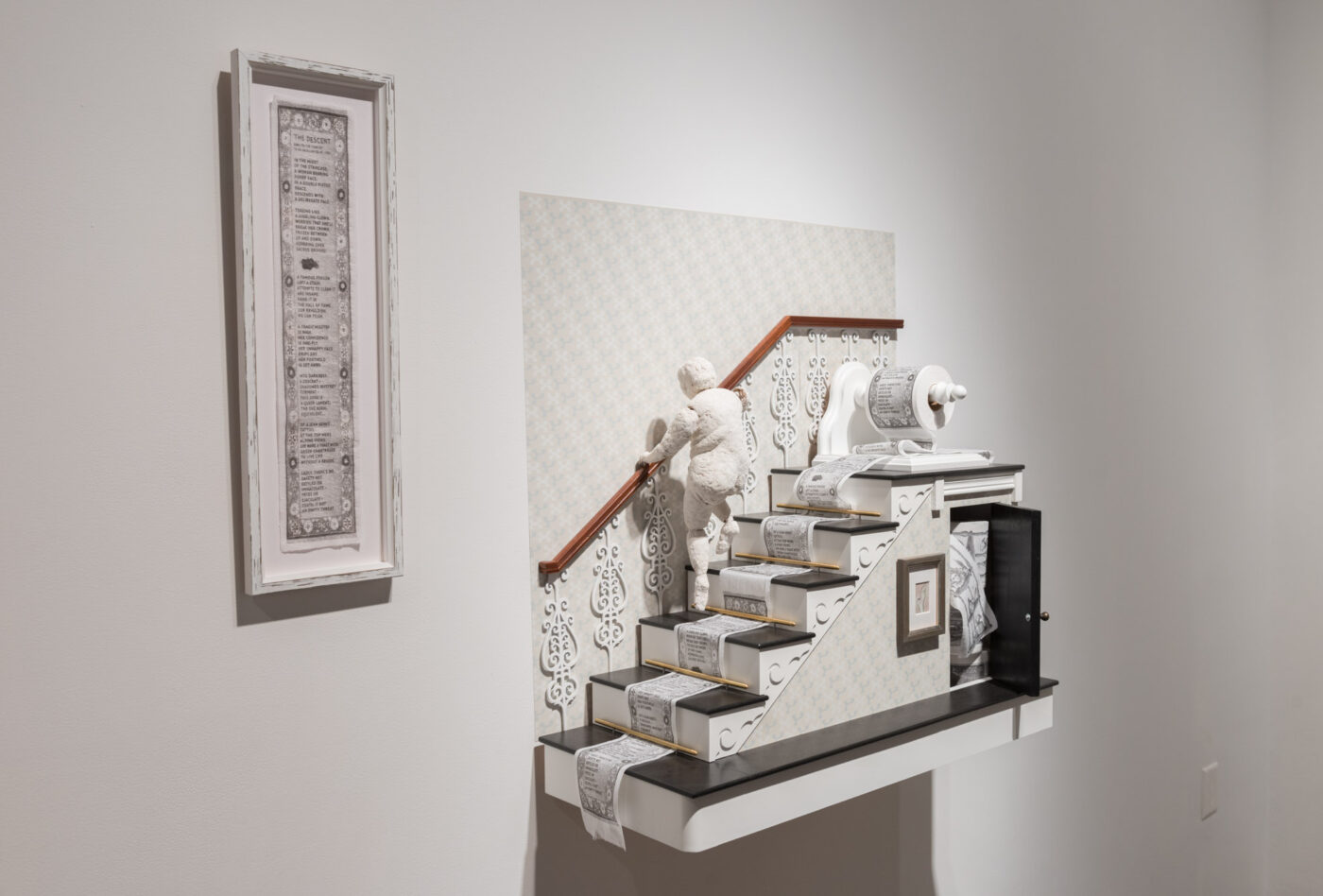
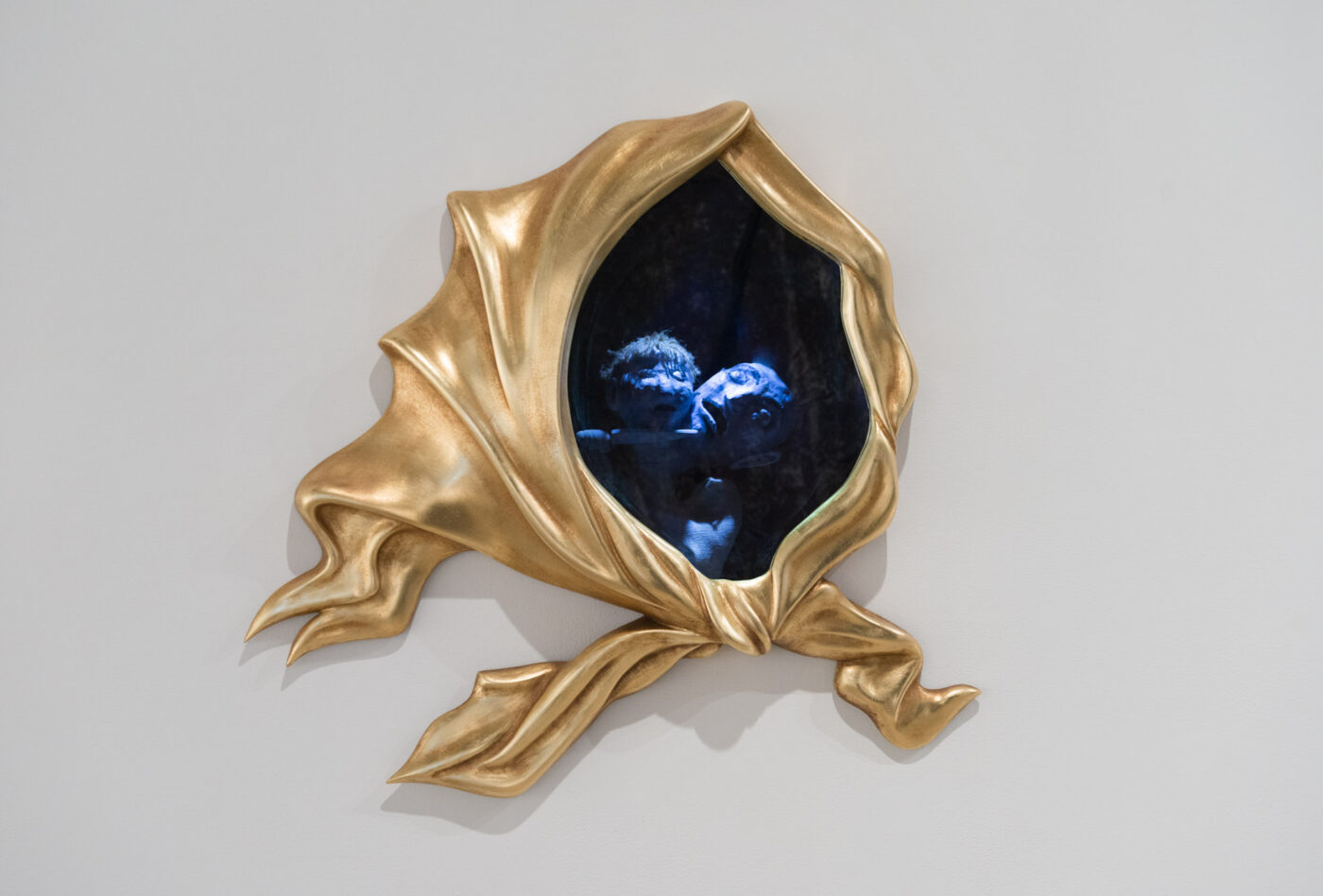
The technical mastery and ornamentation that characterise Barrow’s work seem to echo the innocence and beauty found in children’s fables, nursery rhymes and poems. For example, in Bouquet of Mirrors, the motif of the mirror as a porthole into an alternate world is reminiscent of Alice in Wonderland, while the act of gazing into one (and seeing something else) is a recurring theme in many fairy tales, namely in Snow White. But as these tales—at least in their original versions—have an underlying violence that reflects their function as instruments of moral education, Barrow’s work has a subversive side: here, the toilet acts as a kind of vanitasthat brings us back to the body’s primary functions and their abject representation. As a recurring theme in this body of work, the toilet and its by-products appear in scenes that are both intimate and grotesque, as with the sculpture depicting an elderly figure tumbling down a staircase strewn with toilet paper, which the viewer can pull like a rolling carpet under her feet. The paper is inscribed with a poem that tips the tone of the work into gravitas tinged with pathos. In the title work, a bathroom becomes a crime scene, minus the expected element of horror; speaking through an unwinding roll of toilet paper, the artist-narrator points out that at first, we too thought he was a mannequin.
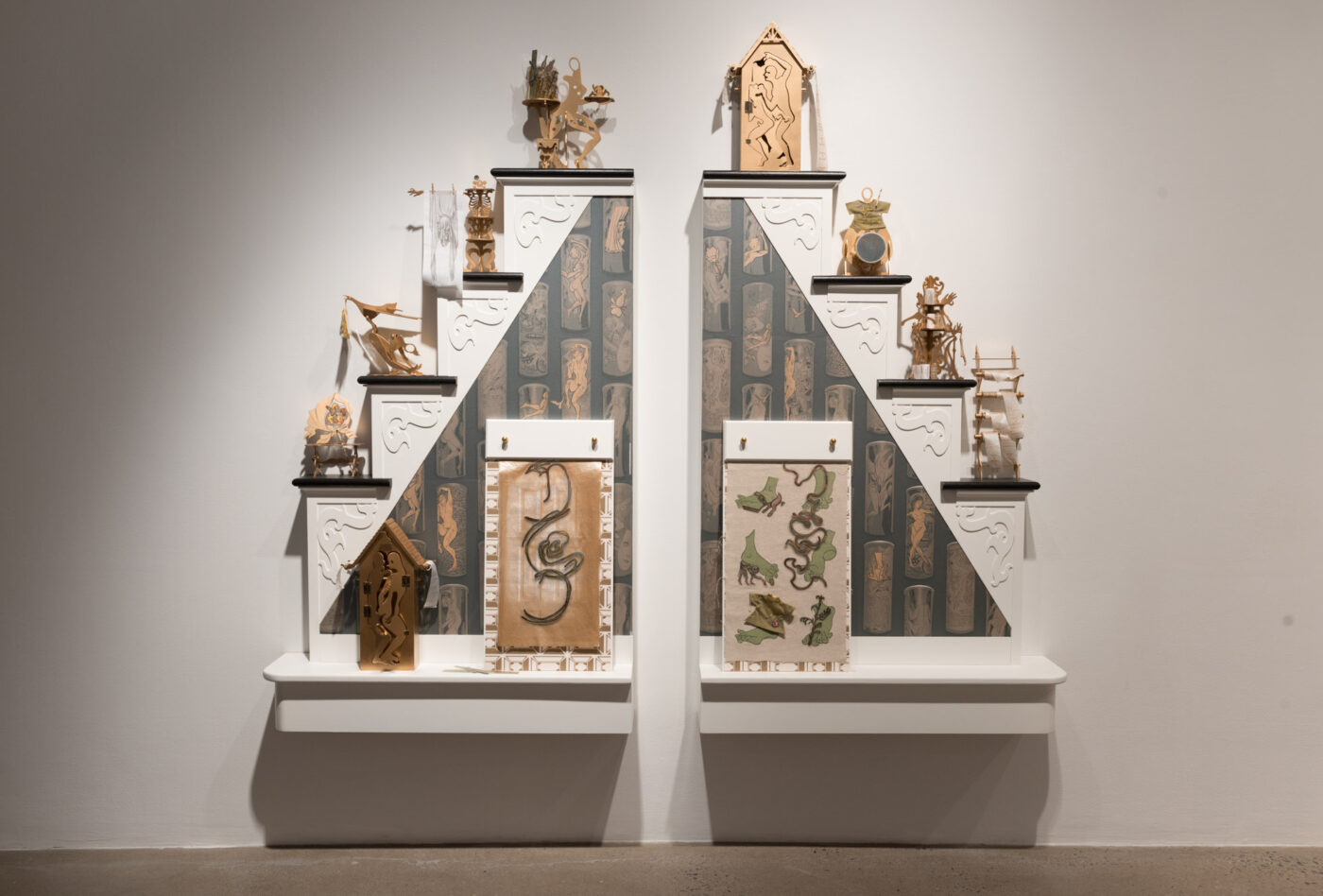
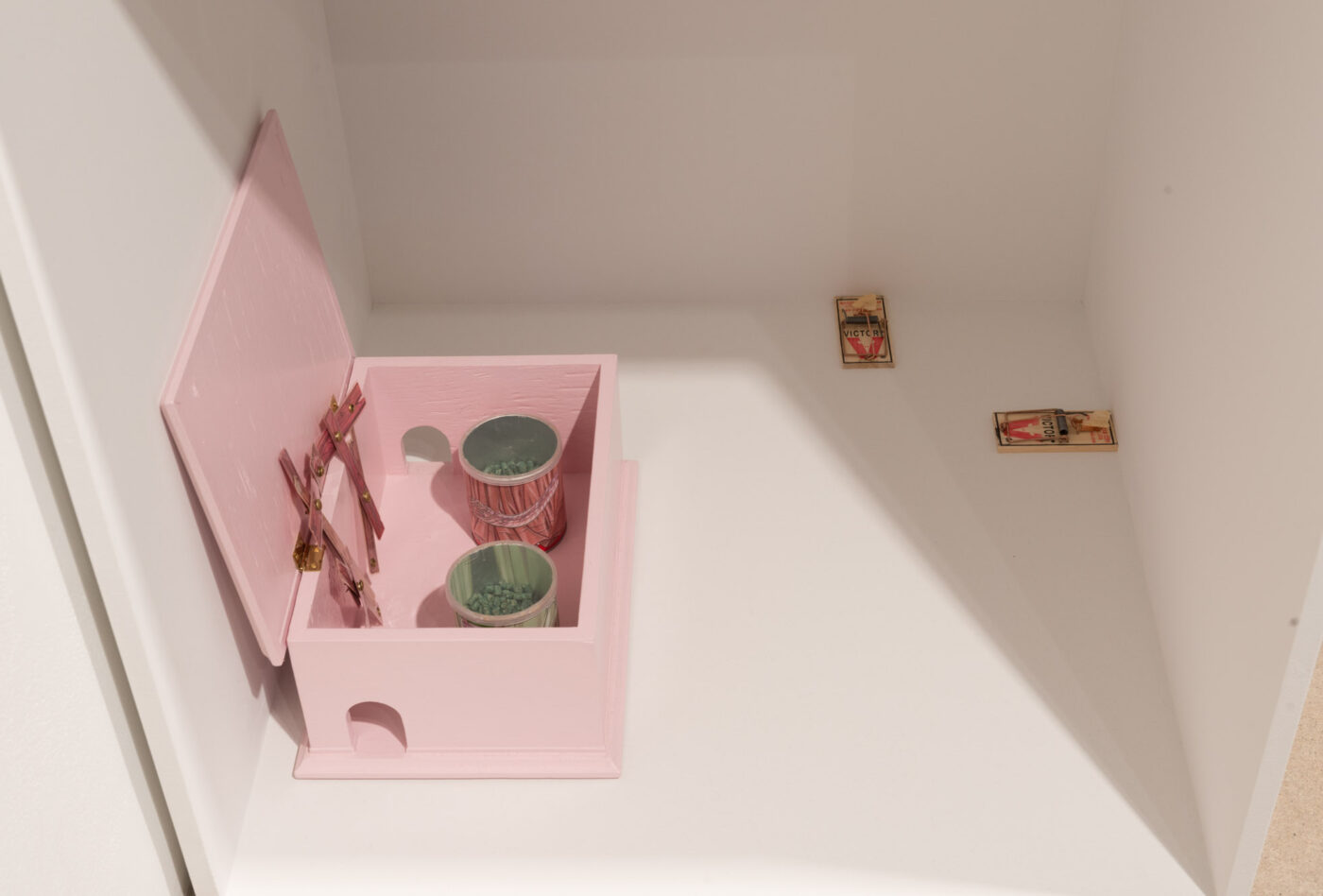
In The Staircase, language is transformed into intertextuality. A staircase-like sculpture plays on the literary and cinematic trope of the small, mysterious door beneath the stairs as a foreboding presence in an otherwise safe, domestic space. The passage between radically different worlds, already at play in Bouquet of Mirrors, evokes a kind of latent desire for emancipation and transgression that is also present in the artist’s drawings. Oscillating between restraint and an overabundance of signs and emotions, Barrow’s work provokes a sense of anxiety filled with impulse and dread, like rat poison placed discretely between the walls.
– Marie-Pier Bocquet (translated by Jo-Anne Balcaen)
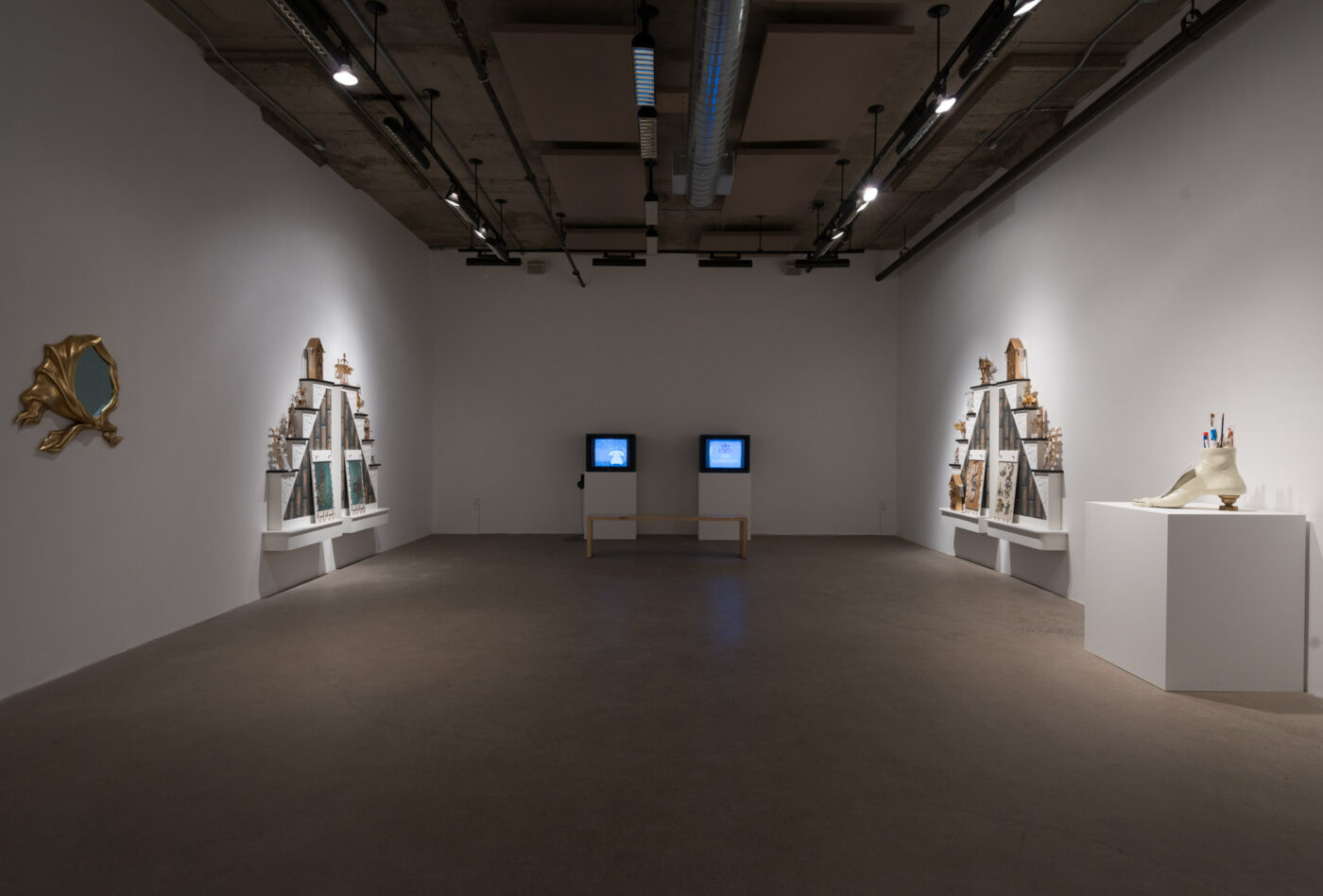
CRÉDIT PHOTO: PAUL LITHERLAND
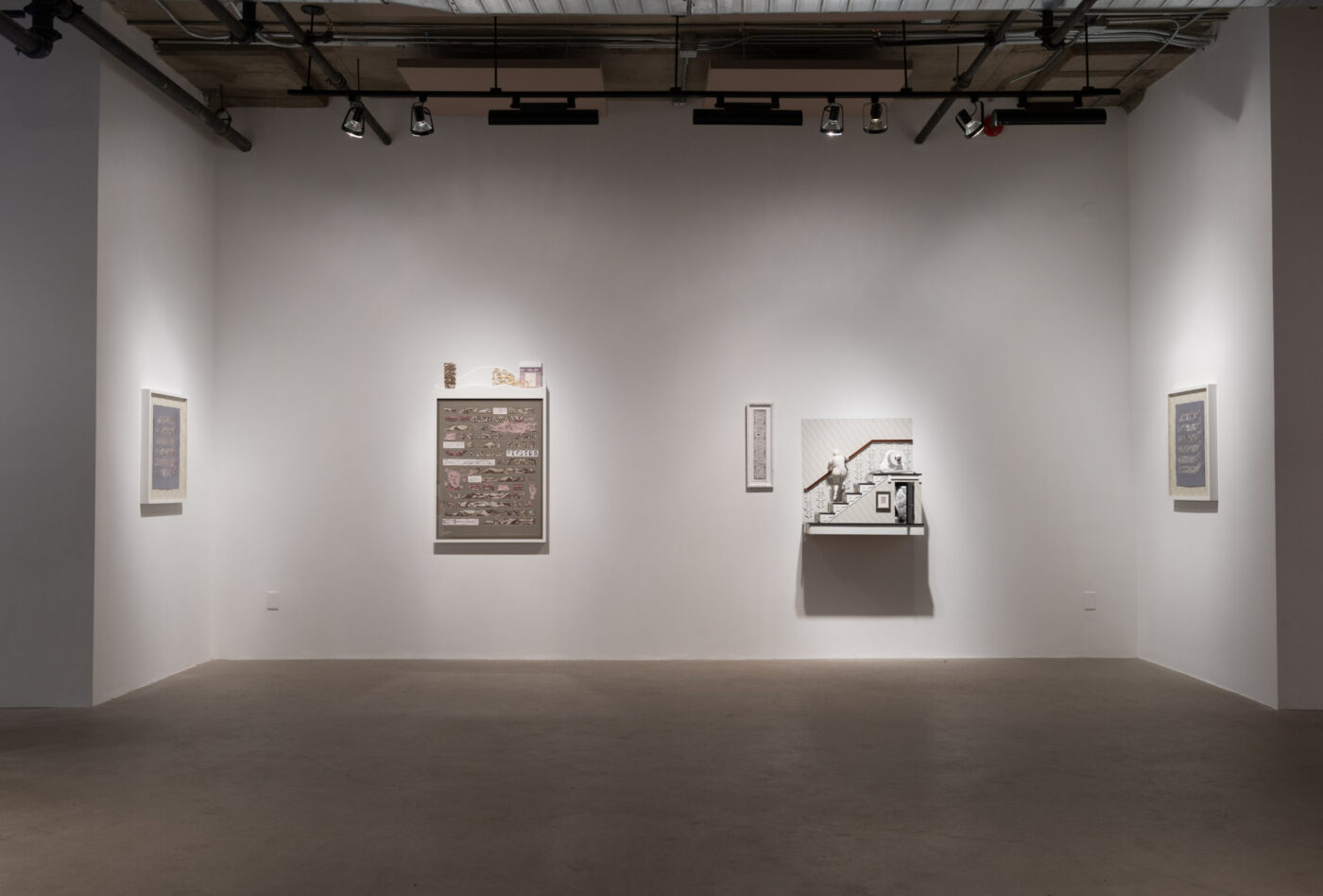
CRÉDIT PHOTO: PAUL LITHERLAND
CRÉDIT PHOTO: PAUL LITHERLAND
CRÉDIT PHOTO: PAUL LITHERLAND
CRÉDIT PHOTO: PAUL LITHERLAND
CRÉDIT PHOTO: PAUL LITHERLAND
CRÉDIT PHOTO: PAUL LITHERLAND
CRÉDIT PHOTO: PAUL LITHERLAND
CRÉDIT PHOTO: PAUL LITHERLAND
CRÉDIT PHOTO: PAUL LITHERLAND
A crowdfunding campaign for emerging artists.
