Anne-Renée Hotte
Les rencontres ne savent pas qu’elles ont lieu
09.11–10.24.2026
Current
Christian Messier
Artist
Christian Messier
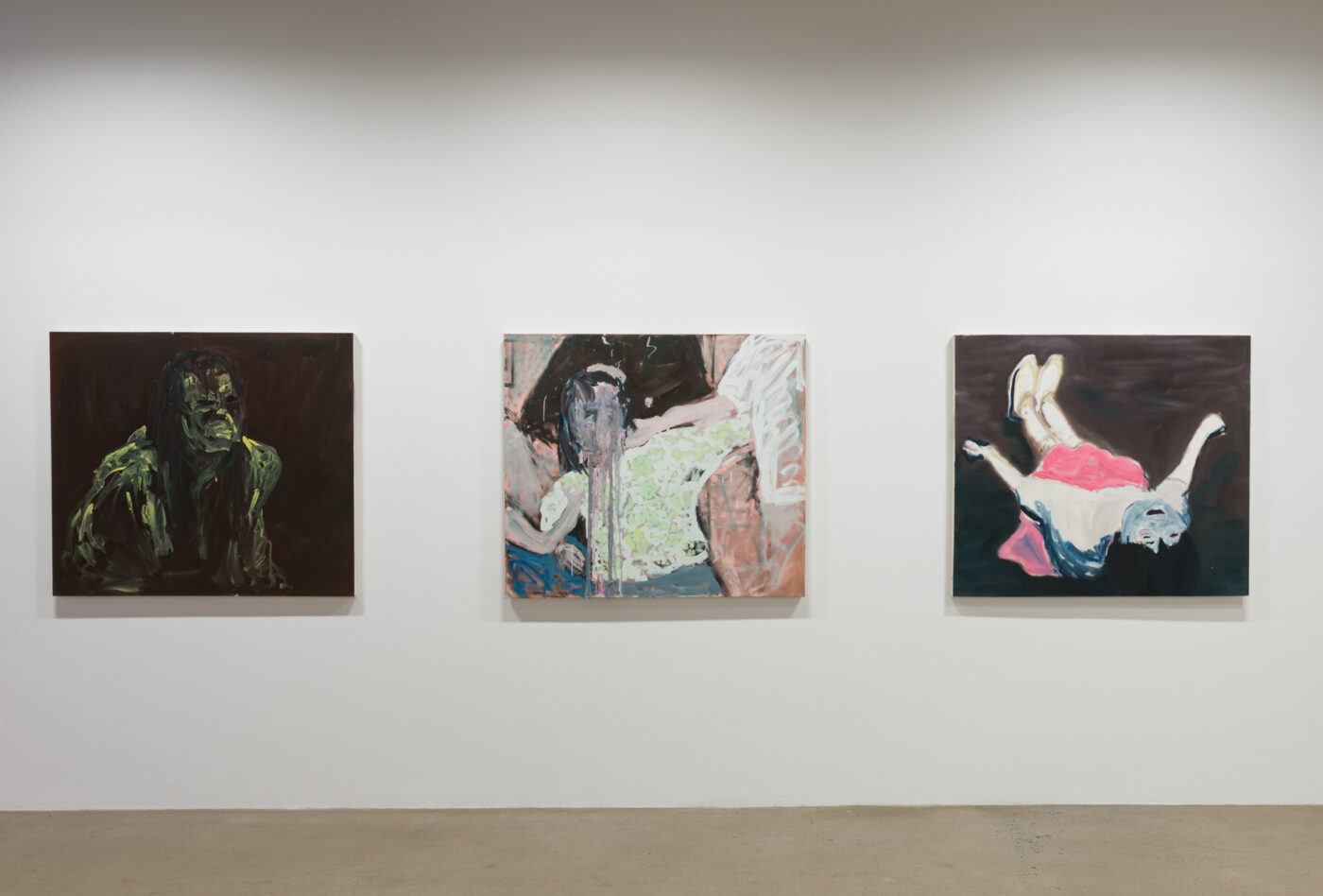
The title of Christian Messier’s exhibition offers a clue to his disturbing and fantastic world. I am the God of Hellfire, and I bring you… fire is a lyric from Arthur Brown’s only hit, titled Fire, released in 1968. This reference to the British psychedelic rock signer provides a link between the 1960s, that emblematic era of drug culture, and the two bodies of work presented at CLARK. However, the comparison ends there as the two series share little in common beyond the deliberately disquieting clash they create.
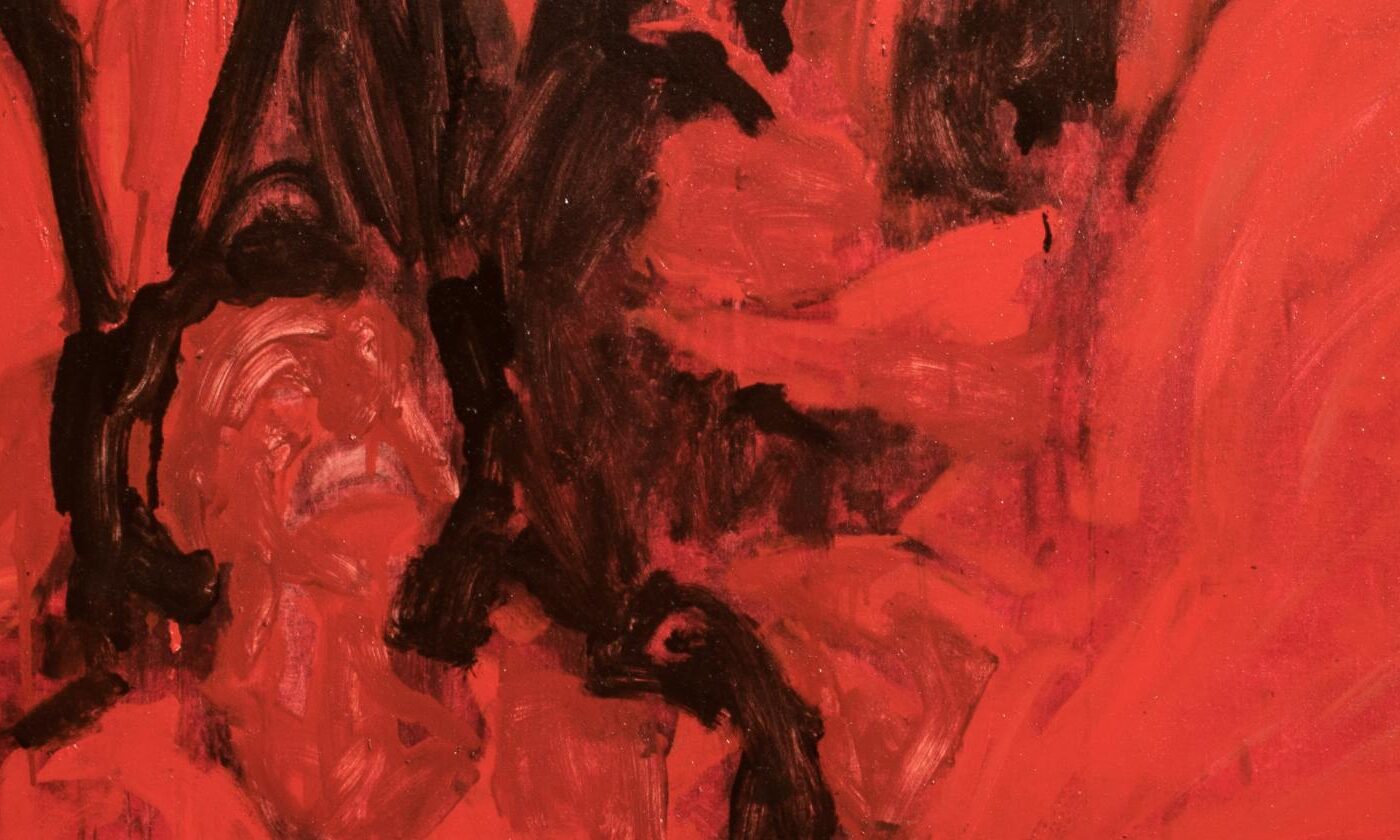
The first series of work presents disturbing images of demonic possession, including the story of Anneliesse Michel, a well-known and documented case of exorcism. The young girl’s physical and mental state began to decline in 1968 when she suffered numerous seizures and apparent demonic hallucinations. Her parents ordered a series of exorcisms, which can still be viewed on the Internet. The bone-chilling excerpts immediately bring to mind the cult film The Exorcist, which has haunted the imagination of many people since its release. For this exhibition, Messier has drawn inspiration from the most striking images that document various cases of possession. Similar in style to abstract expressionism, the artist’s paintings are quite gestural in nature, giving form to the suffering that distorted the faces and bodies of the possessed. This approach has a direct link to performance: using gesture as a form of empathy for his subject. Messier embodies his subject as a way of putting himself in their place.
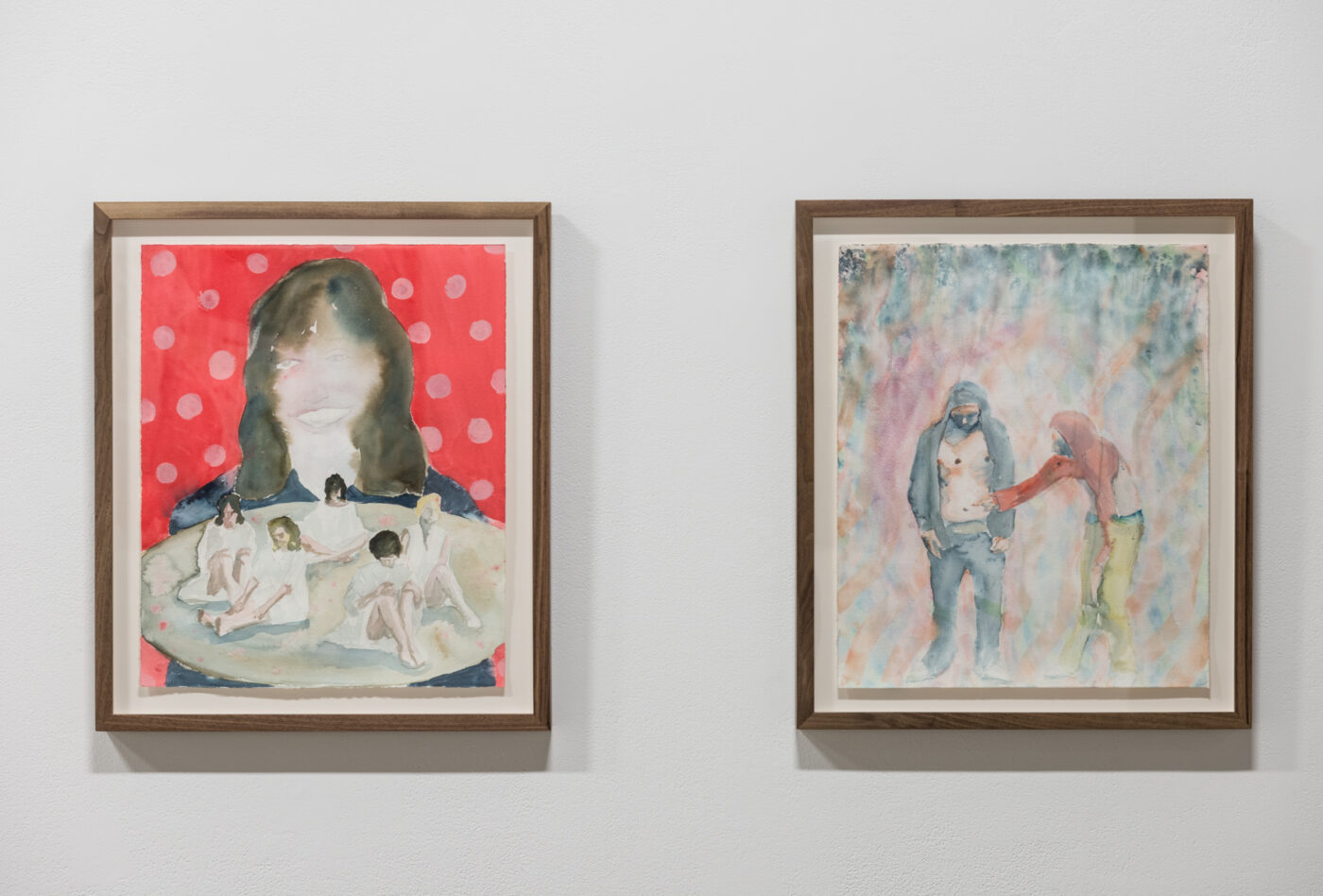
The second body of work, a series of watercolours, appears more playful and humorous. Messier depicts various incongruous scenes where one can see, among other things, a woman observing in horror her eight legs, or two identical men examining each other in surprise. In these works, the artist imagines a series of acid trips. The style and technique of these watercolours is closer to illustration, and, in contrast to his paintings, give a certain distance to his subject matter. Here, Messier produces a visual lexicon of possible hallucinations, which could seemingly go on forever.
These two bodies of work oscillate between humour and horror, and the artist seeks to represent his subject’s experience through paint and watercolour. His choice of medium responds to the emotional and physical states experienced by the possessed, or by individuals under the influence of hallucinogenic drugs, and allows a distinction to be made between the hallucinations of a person suffering from a diagnosed illness and those provoked by drugs. In one case, a disturbance persists over time, while in the other, a momentary state leaves behind a host of surreal images.

CRÉDIT PHOTO: PAUL LITHERLAND



CRÉDIT PHOTO: PAUL LITHERLAND
CRÉDIT PHOTO: PAUL LITHERLAND
A crowdfunding campaign for emerging artists.
