Émile Riopel
S’il le faut, je me réduirai en cendres pour être sûr que le vent m’emporte
09.11–10.24.2026
Current
Jean-Michel Leclerc
Artist
Jean-Michel Leclerc
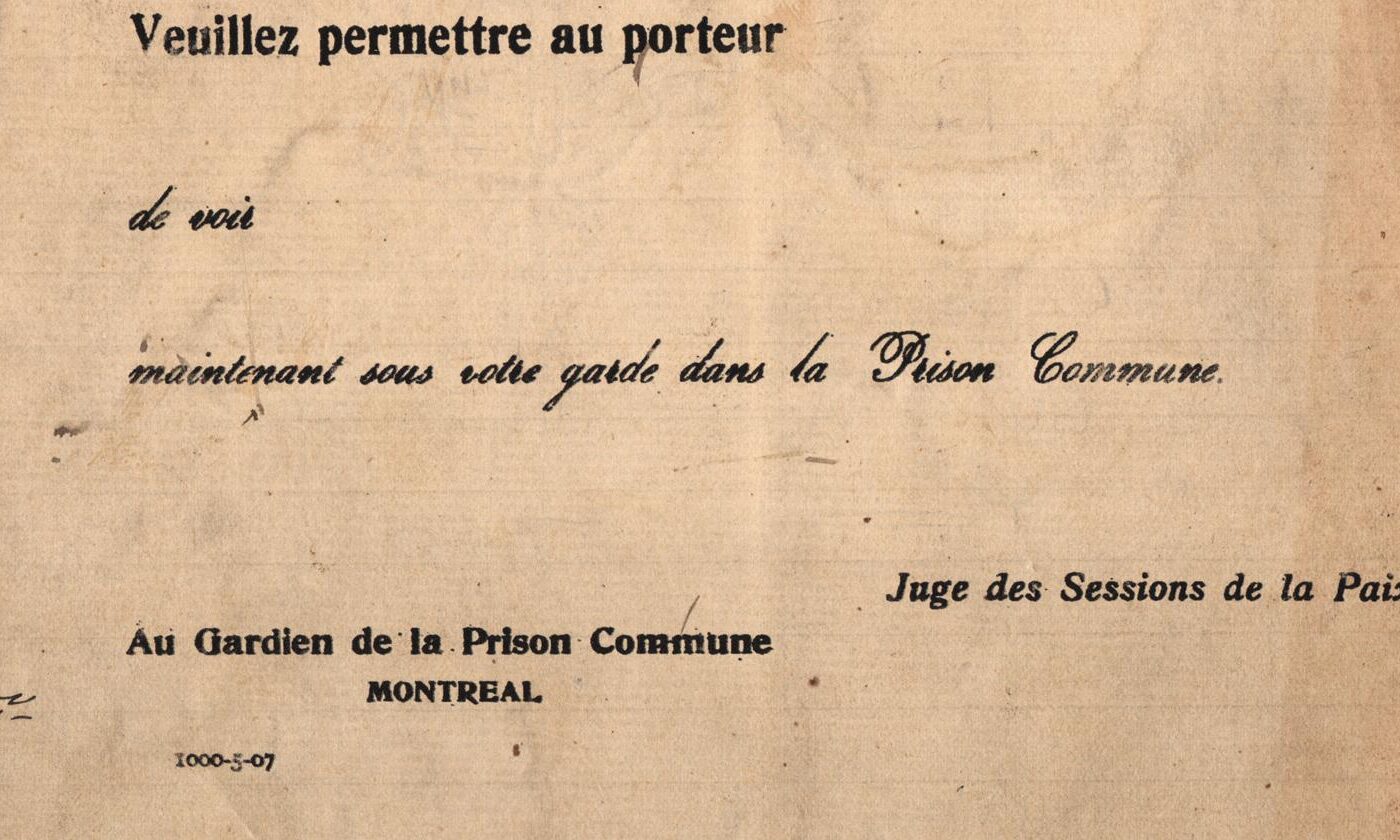
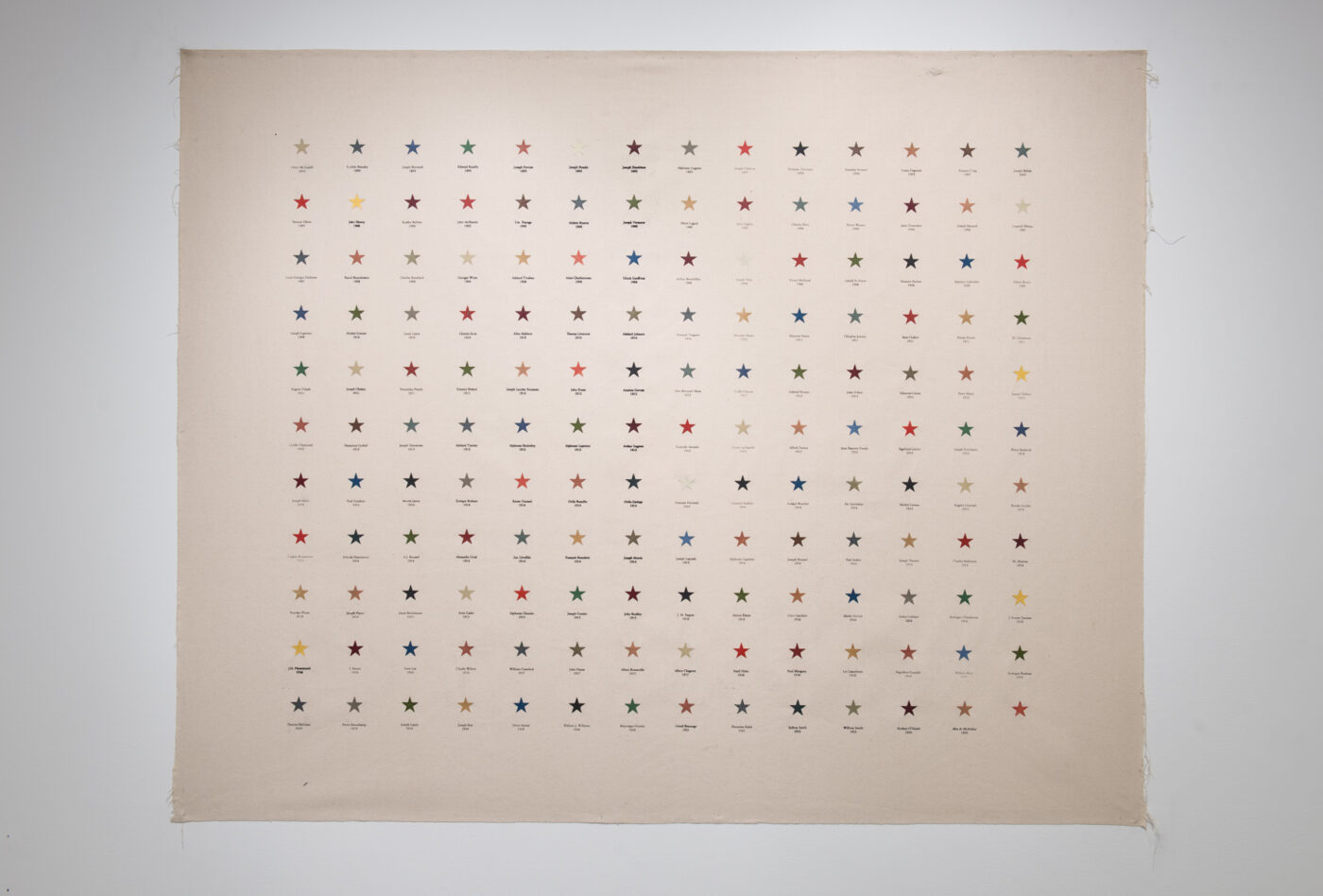
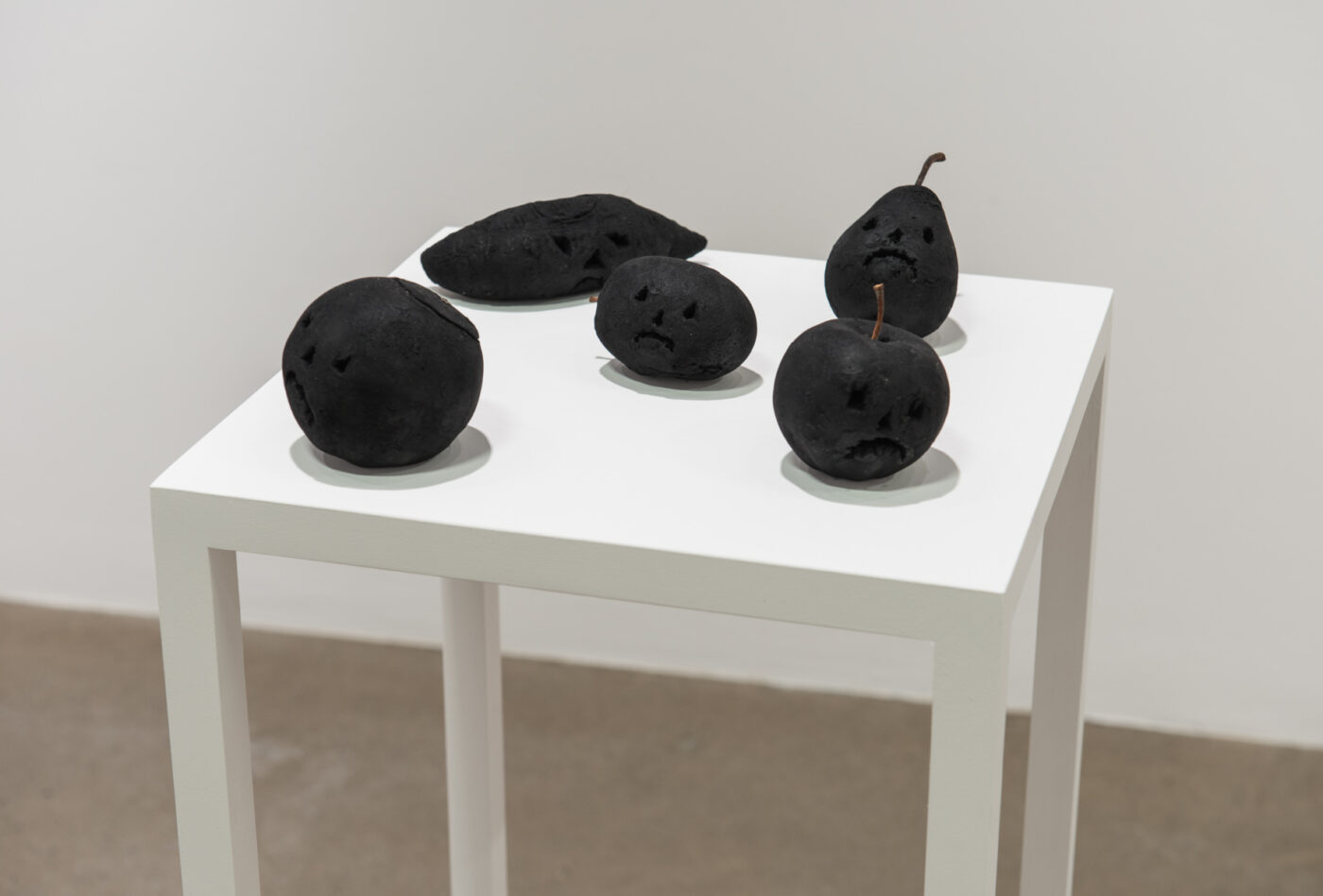
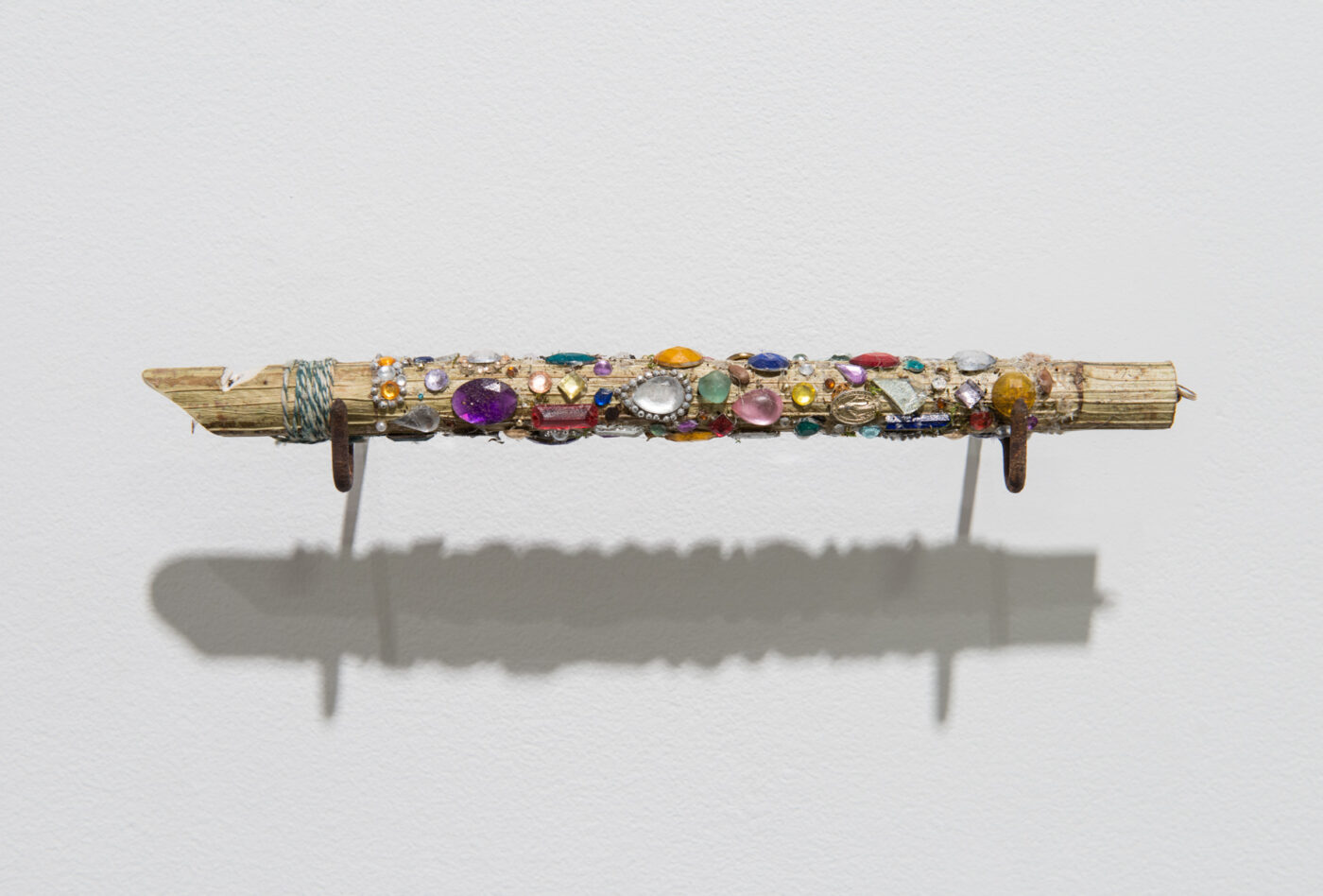
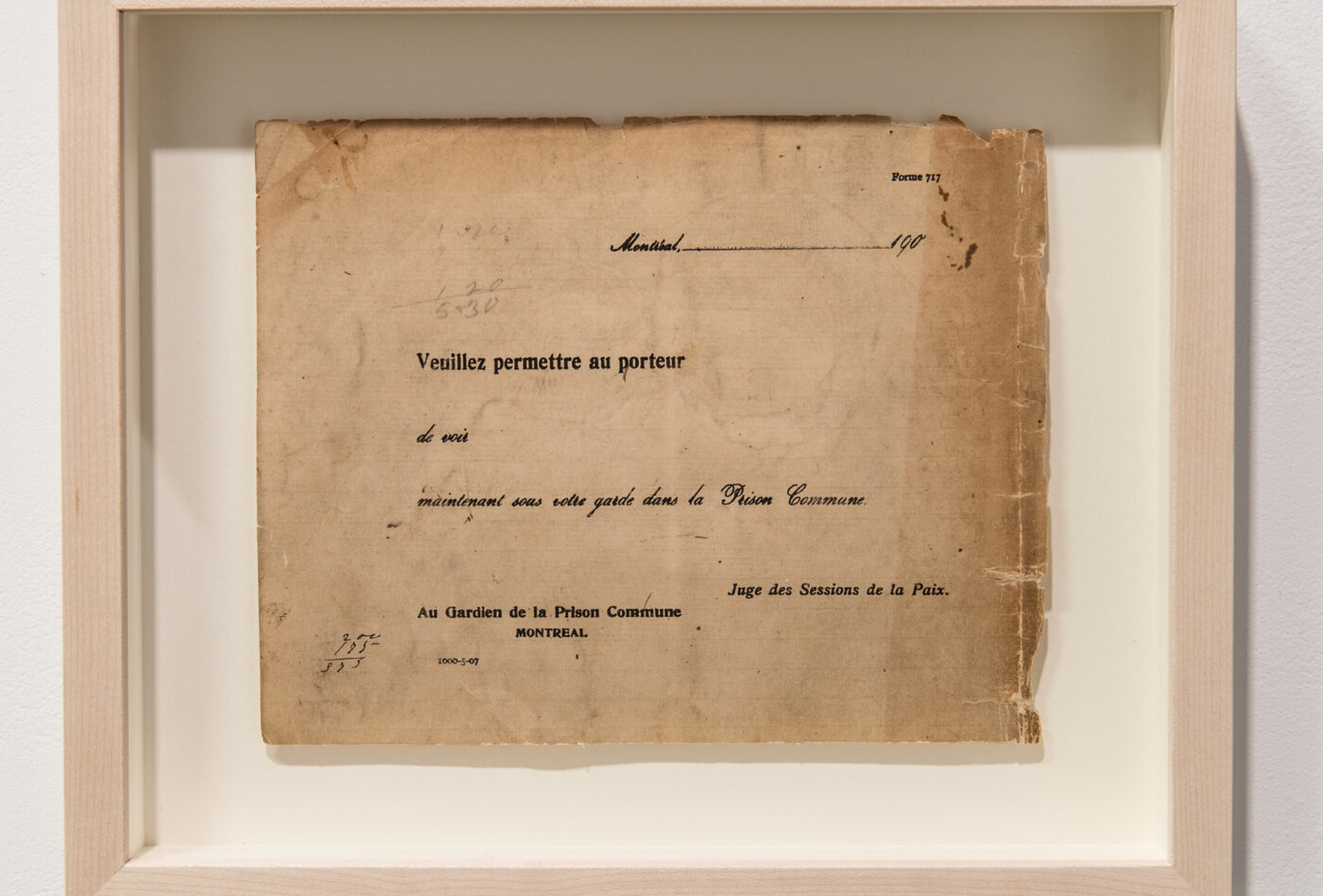
Since 2010, Jean-Michel Leclerc has delved into ‘human interest’ stories and archives of all sorts in a quest to uncover forgotten histories. Much like an archivist, he combs through early 20th century registers to engage in the task of reparation and commemoration. In Les Sessions de la Paix, which he presents in CLARK’s small gallery, the artist focuses on a recent historical subject. After 1890, under the influence of British legislation, Canada’s Criminal Code prohibited acts of “gross indecency”. The law condemned any act that was deemed “against nature”, including homosexuality. As a result, and until 1969, relations between two people of the same sex were criminalized and could lead to severe prison sentences or fines. In Leclerc’s installation, combining sculptures, drawings, collages and prints, the artist seeks to reactivate part of this history in order to pay homage to – and to dignify – individuals who were born in an era when the expression of their true identity was suppressed.
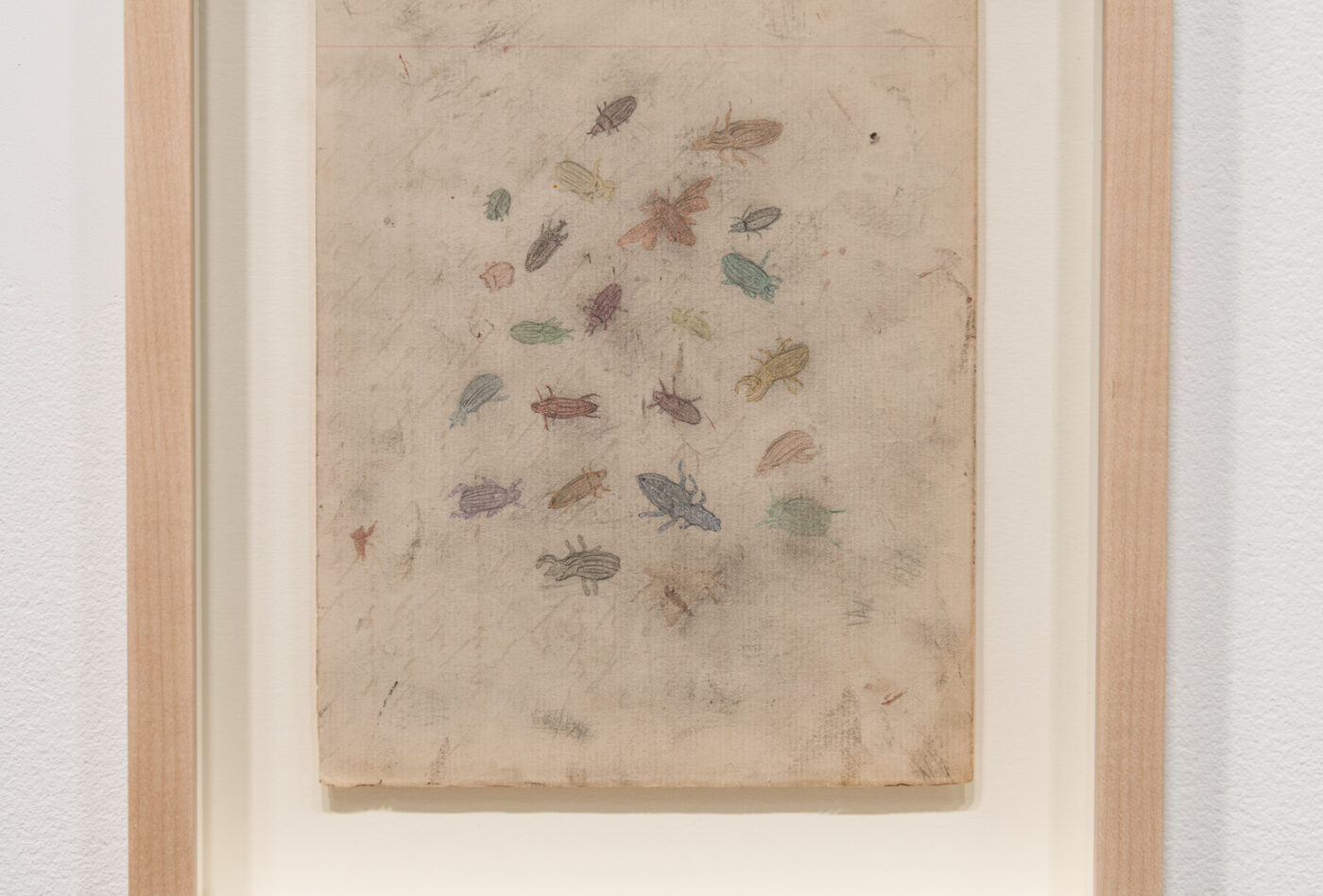
The gallery space becomes another space-time, where an imaginary line is traced between two groups from the same era. On one hand, we have cases of repressed homosexual practices listed in Court Registers, which have been processed by the artist, and on the other, a burgeoning gay community rising out of Anglo Saxon culture and the French bourgeoisie. In the latter case, Leclerc pays particular attention to Elsa Gidlow and Roswell George Mills, founders of Les Mouches fantastiques(1918-1920), recognized as one of the first LGBT magazines in North America. For the second part of this history, the artist has created an overview of nearly 300 records of men who have had run-ins with the law between 1900 and 1930. In addition, Leclerc has created a series of small drawings on vintage paper. Through his choice of materials – often using unstable pigments that may disappear with time – he gives metaphorical life to the ghosts of the past through this symbolic material presence.
By using found factual data from judicial archives, Leclerc isolates emblematic cases in order to give them new meaning in our time. As such, the artist juxtaposes two stories of homosexuality – one repressed by society, and one that managed, despite this context, to express itself through literature, poetry, or art – reflecting the values of a not-too-distant era.
Manon Tourigny (translated by Jo-Anne Balcaen)
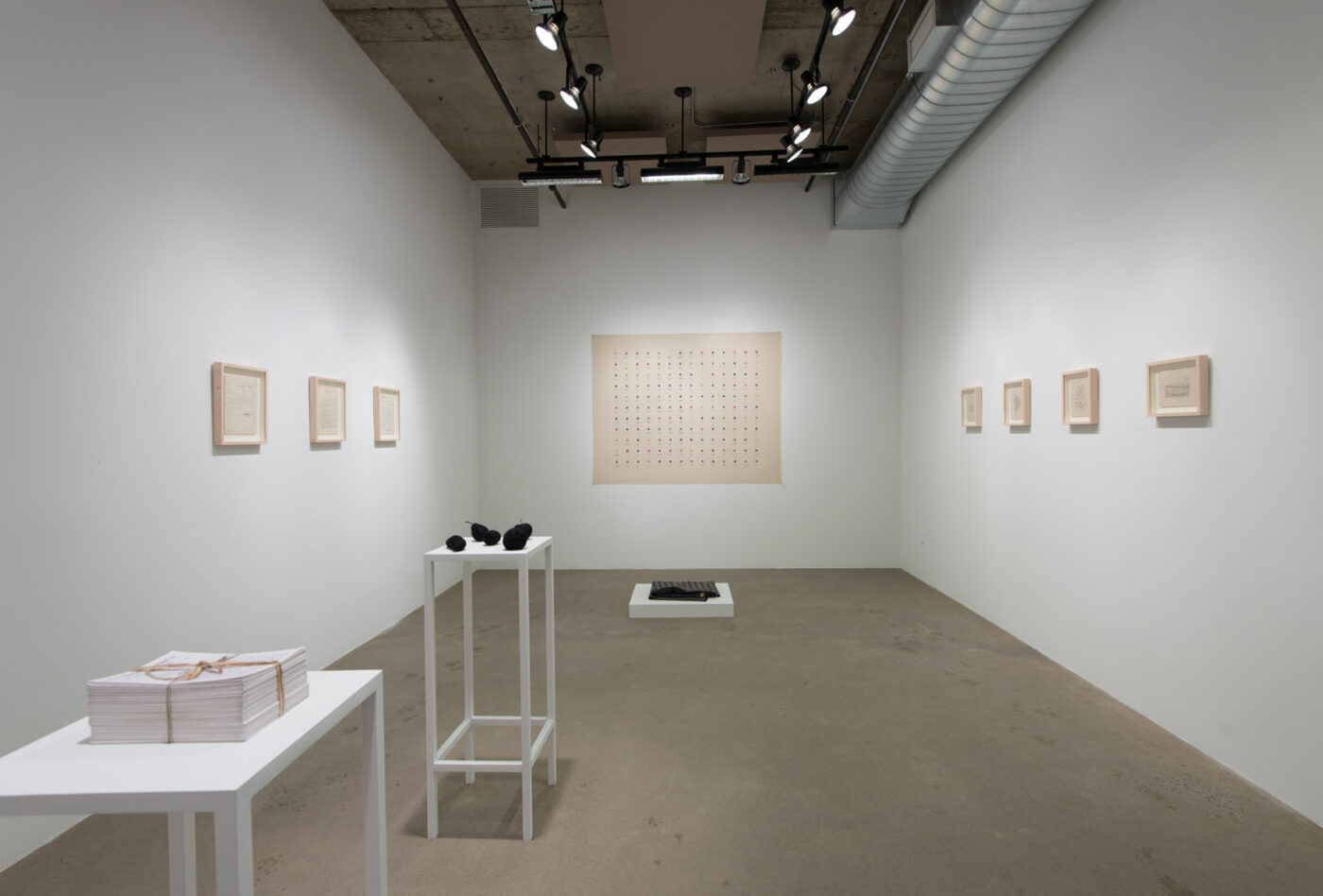
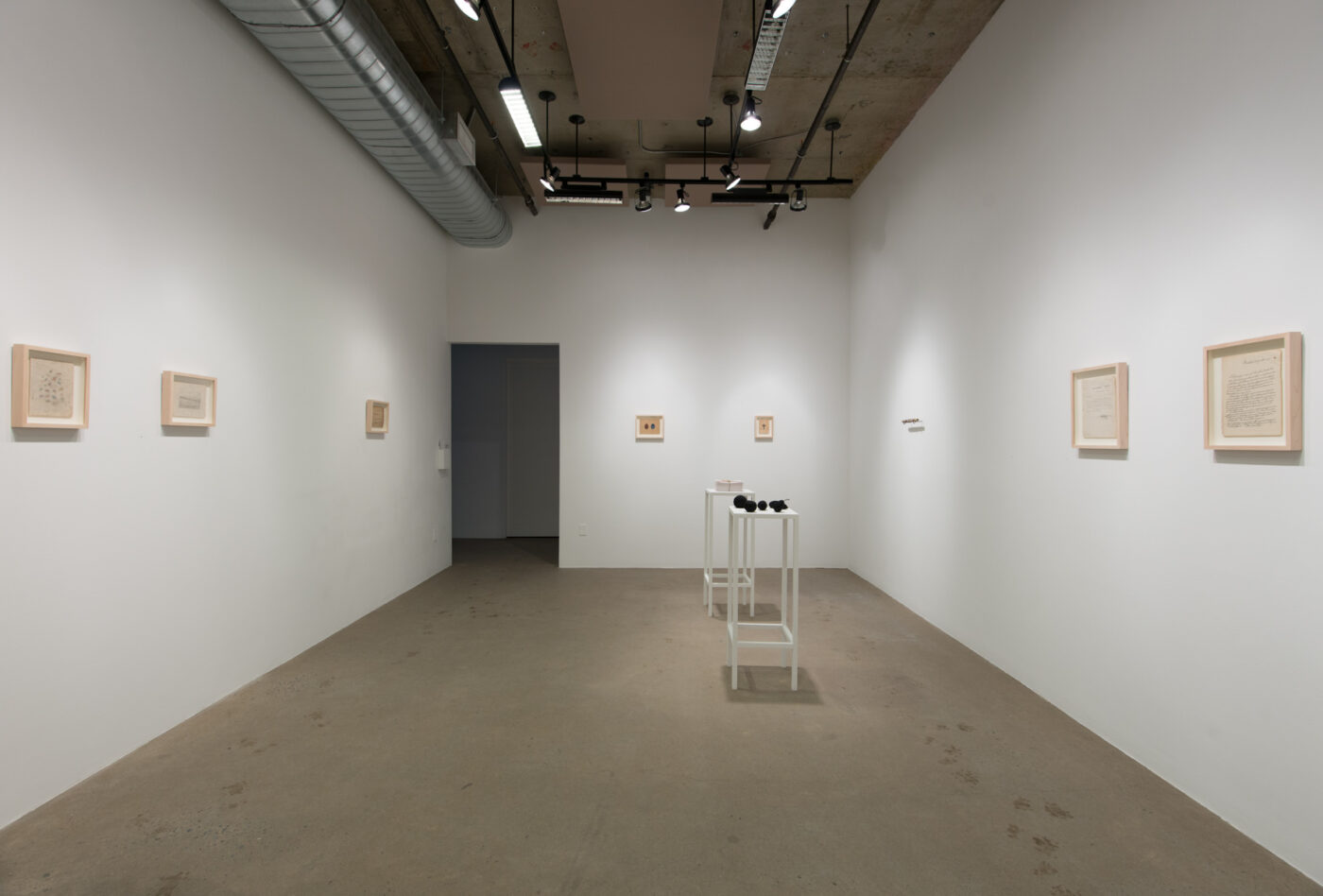
CRÉDIT PHOTO : PAUL LITHERLAND
CRÉDIT PHOTO : PAUL LITHERLAND
CRÉDIT PHOTO : PAUL LITHERLAND
A crowdfunding campaign for emerging artists.