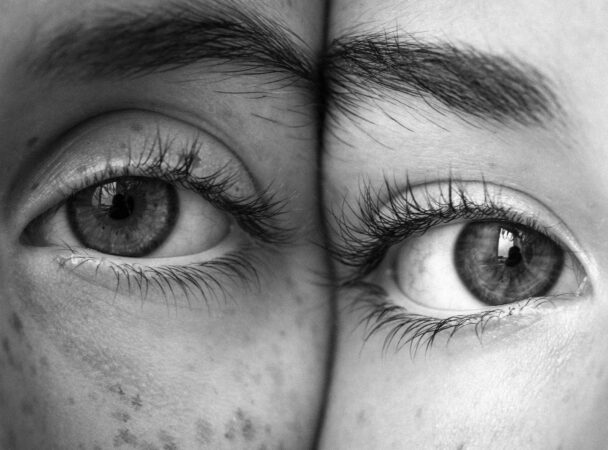
Anne-Renée Hotte
Les rencontres ne savent pas qu’elles ont lieu
09.11–10.24.2026
Current
Artist
Celia Perrin Sidarous
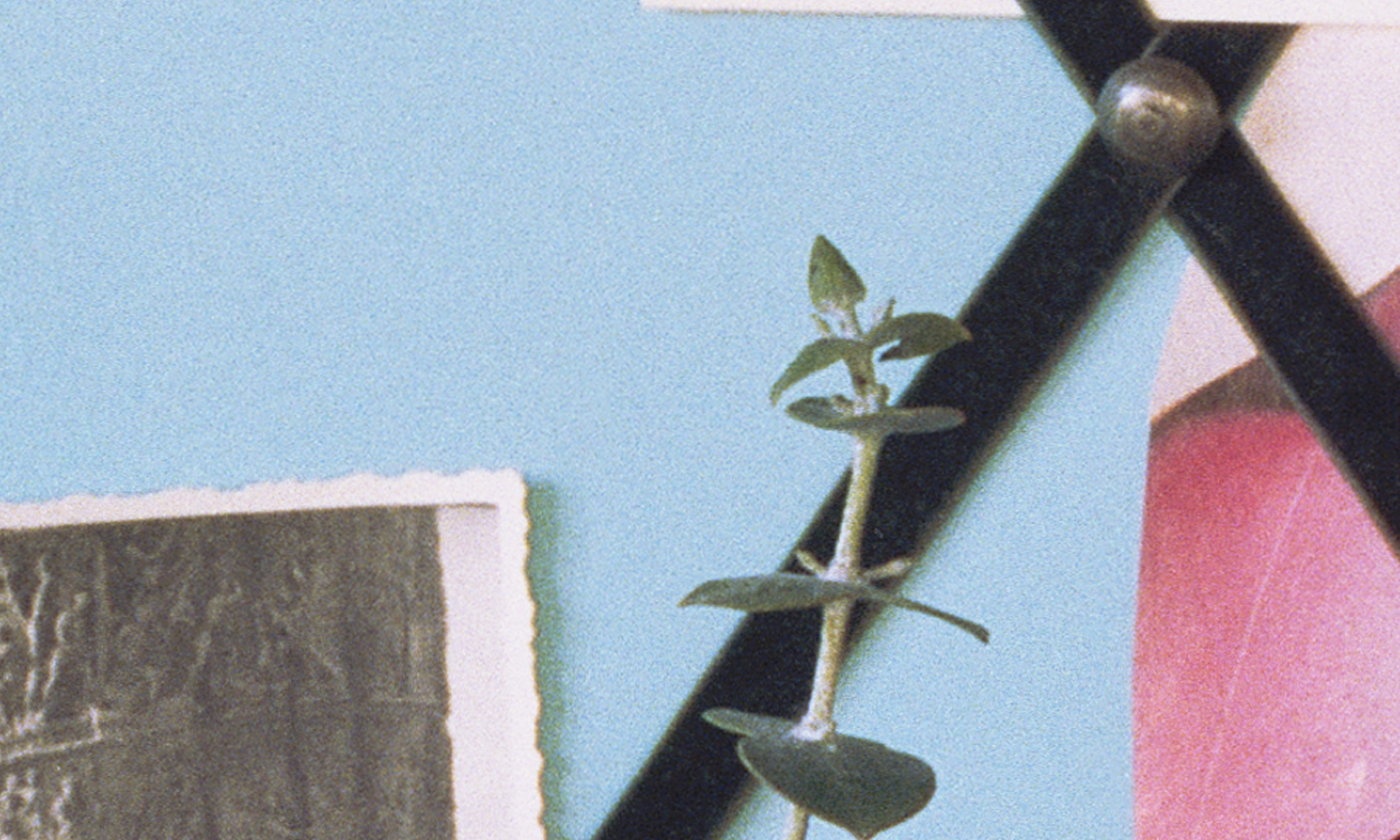
A tall vessel rested on a fireplace mantel, along with a long stem of viper’s bugloss, and an open folding fan. The objects looked like they were sleeping. They emitted some form of signal. What kind of signal could it be if not within the realm of sound? Celia watched from her bed, not touching the objects, but touch was implied. A particular sensation radiated the more still she became. Celia considered this frisson and thought, there must be a way to explain disambiguation that happens visually.
In Italy, Celia Perrin Sidarous slept and worked and everything she made out of clay there came back a little bit broken. Wrapped in her carry-on luggage were:
1. A single vase with “shoulders”
2. A shard made as an undulating wave
3. Clay shapes to glaze in a palette of pink sand and lime, Japanese “raku” and rainbow “gas spill”—mineral colours you’d see along the Great Wall of China or in the deserts of Arizona
Lately, her work had begun to be more about travelling. Also, the ancestry of making, of not-making-newness (nothing really can be), giving attention to the surfaces of clay, paper, silica, and decaying matter, to shake up the sediments to remember things past as important again. Earth and its spaces have the power to hold and transport sound echoes, human sweat and breath. How much history had passed through this mound of clay? If the surface becomes porcelain, will it contain history better? Is the porosity gradient for intangible feelings higher in faïence or plain old glass? The grid of a 16th century quodlibet (a still-life device once used by painters), contained—or half-contained—a display of dying orchids, a rock shaped like an apostrophe, limes, artichokes, printed matter from many eras (mainly the 70s), and German pottery glazed with squid ink. Spilling into the room, similar objects were visible in a large-format black and white photograph. What story, memory or sensation could you pack into these tiny pores to take with you?
The provenance tag for Tomb no. 49, at the Santa Giulia Museum in Brescia, Italy, read like a fairy tale; like packing for a journey to Immortality, where getting there intact is actually quite plausible:
“Indirect” cremation in grave-cut
second half 1st century BC
The funerary meal which was offered to the dead young person (12/13-21 years old) comprised small birds and an apricot or plum.
1. Jar, small amphora and jar with impressed decoration in common ware(*read: clay)
2. “Vernice nera” plates and thin-walled ware cup burnt on the pyre
3. Coin (as, 2nd century BC), iron brooch, ritual iron axe
The idea was that along the uncertain road to the afterlife, the deceased might need basic things: a meal, some money, and a weapon.
Although PORES is not a funerary arrangement, and archaeological description is suspect, a condition report might read: Historicity in these pieces suggests that some lives will leave almost no signature, however, the score of this life and location is held tight in this atmosphere.
– Alisha Piercy
* Italics in the text refer to imagined thoughts of the artist or conversation excerpts between the artist and author, except for the Tomb no. 49 provenance tag (2nd half 1st century BC).

Artist: Celia Perrin Sidarous. Photo Credit: Paul Litherland.
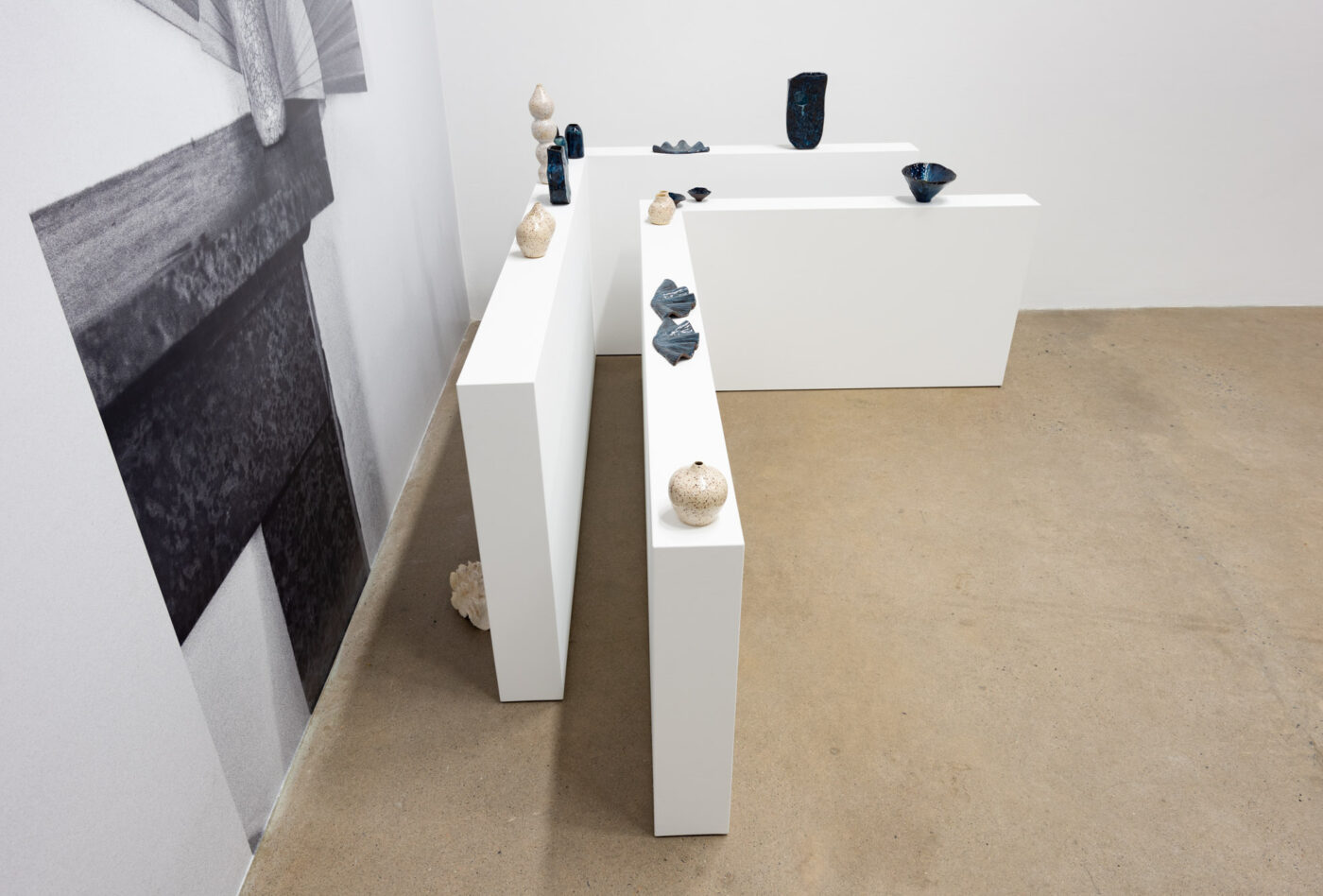
Artist: Celia Perrin Sidarous. Photo Credit: Paul Litherland.

Artist: Celia Perrin Sidarous. Photo Credit: Paul Litherland.

Artist: Celia Perrin Sidarous. Photo Credit: Paul Litherland.
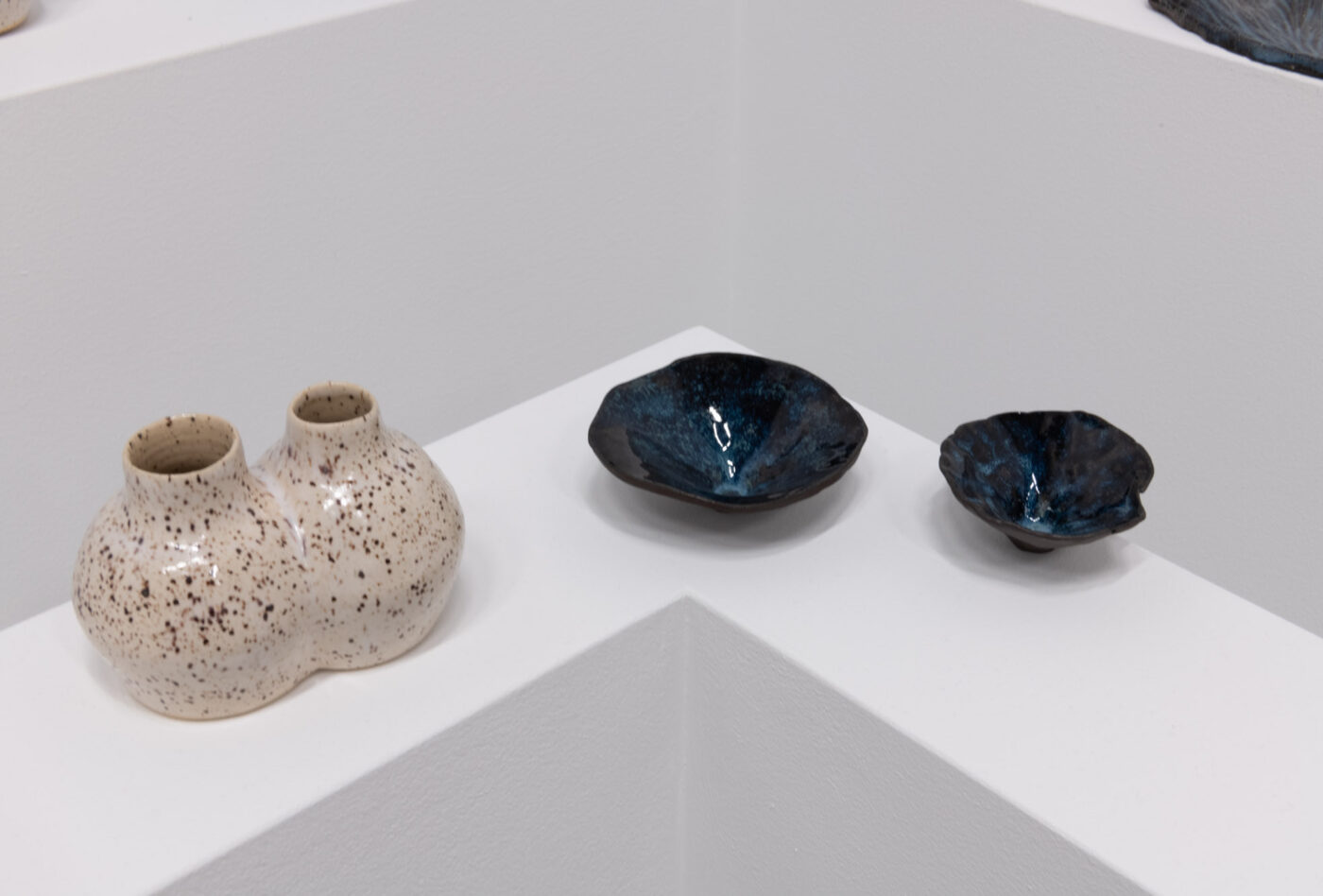
Artist: Celia Perrin Sidarous. Photo Credit: Paul Litherland.
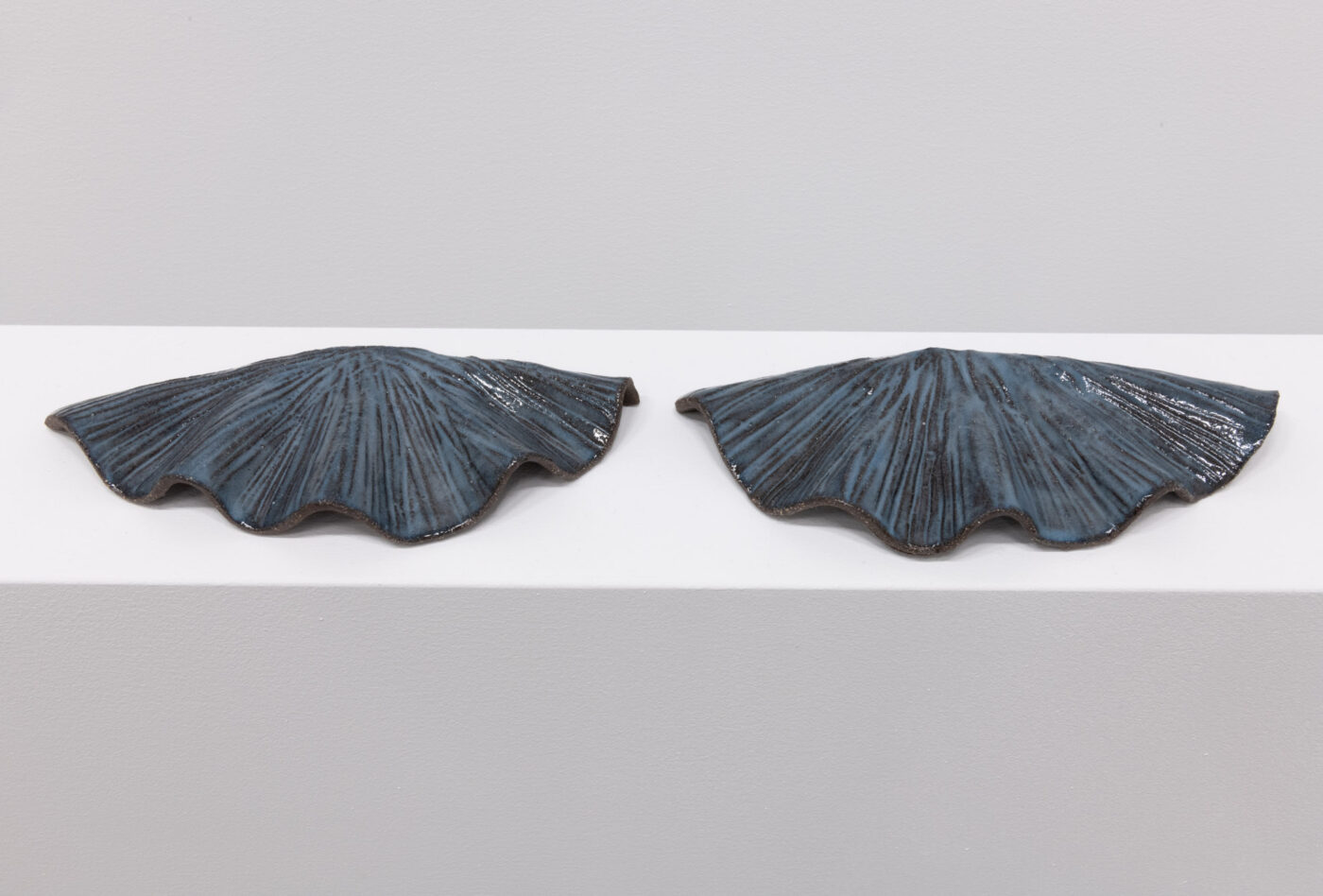
Artist: Celia Perrin Sidarous. Photo Credit: Paul Litherland.

Artist: Celia Perrin Sidarous. Photo Credit: Paul Litherland.
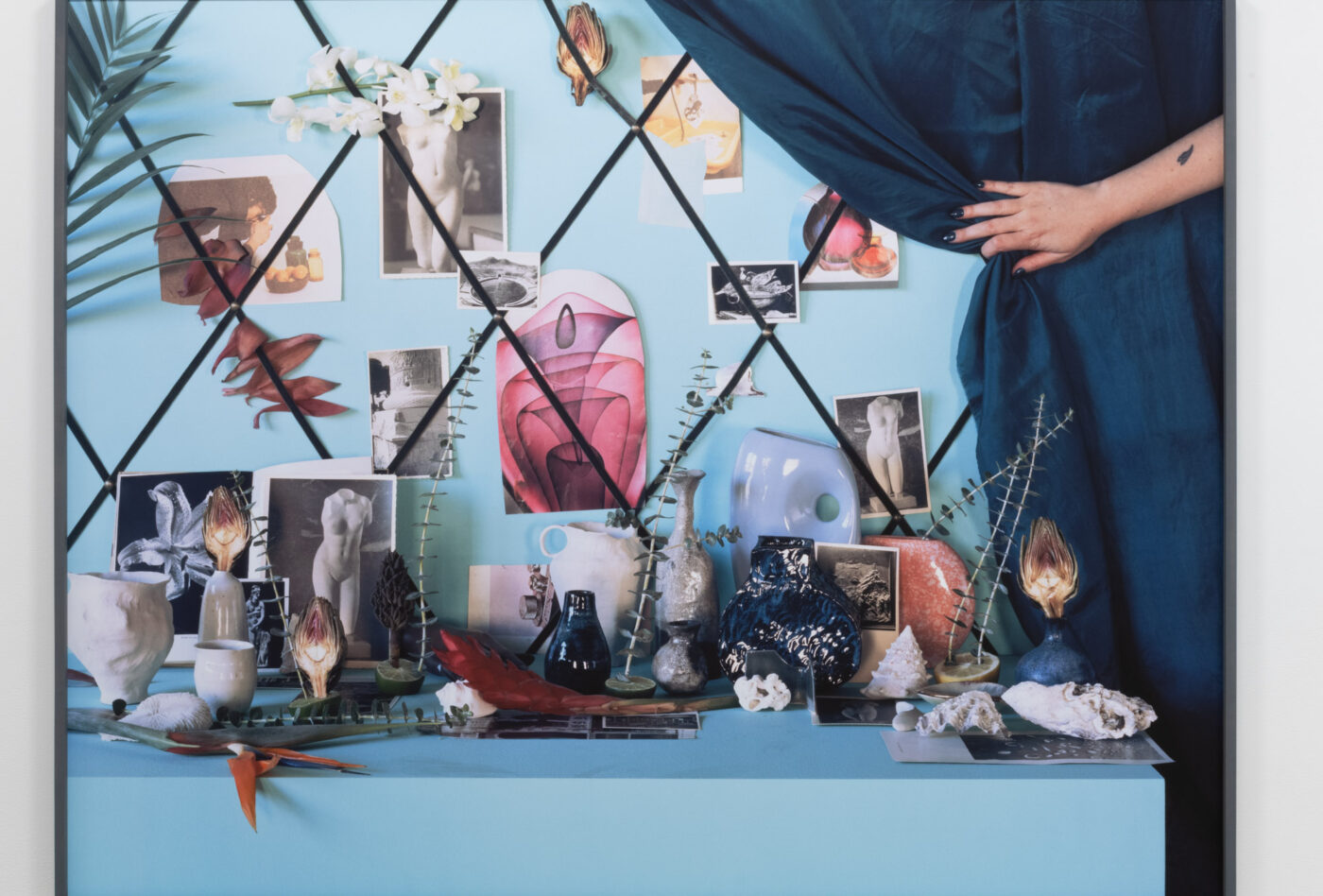
Artist: Celia Perrin Sidarous. Photo Credit: Paul Litherland.
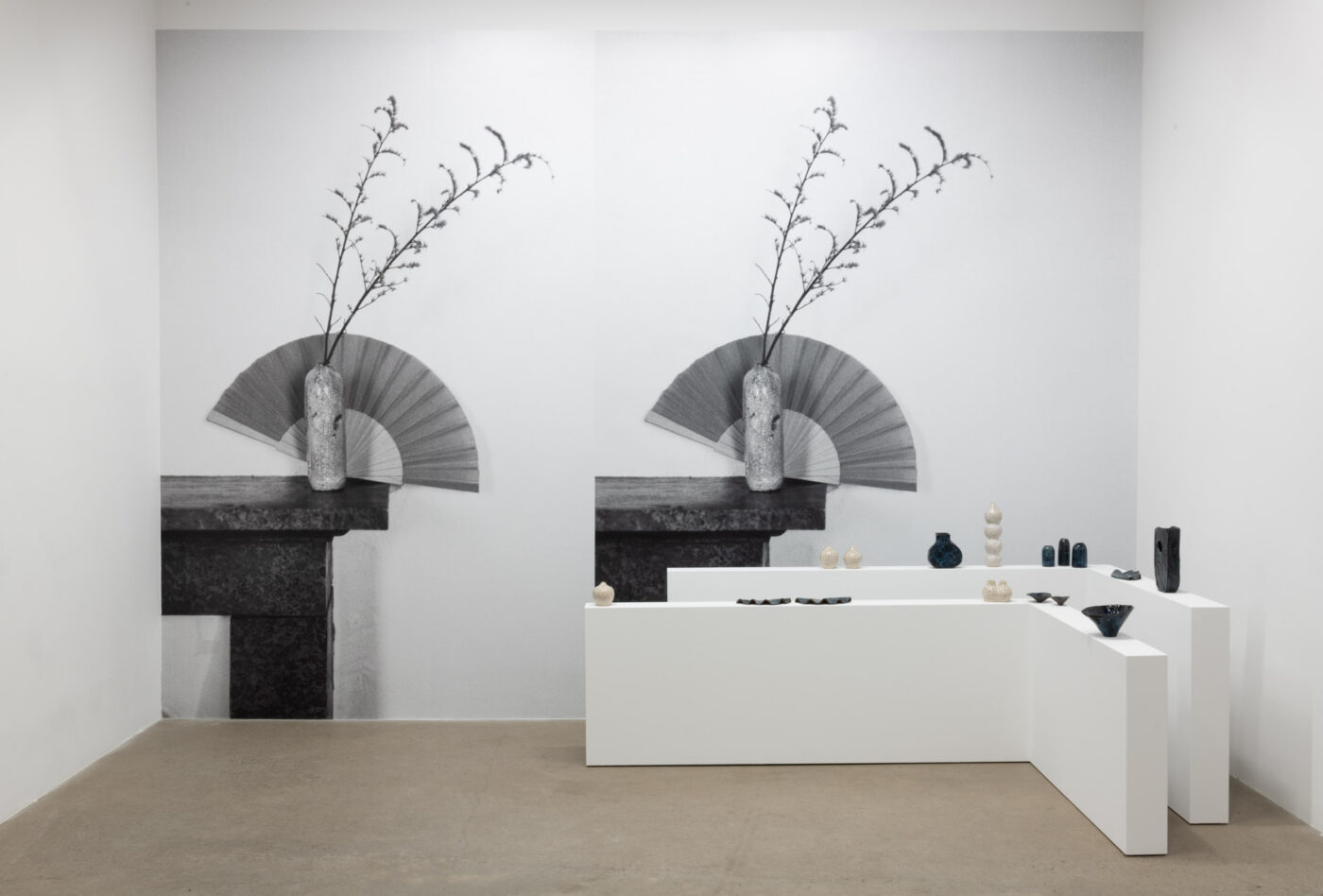
Artist: Celia Perrin Sidarous. Photo Credit: Paul Litherland.
