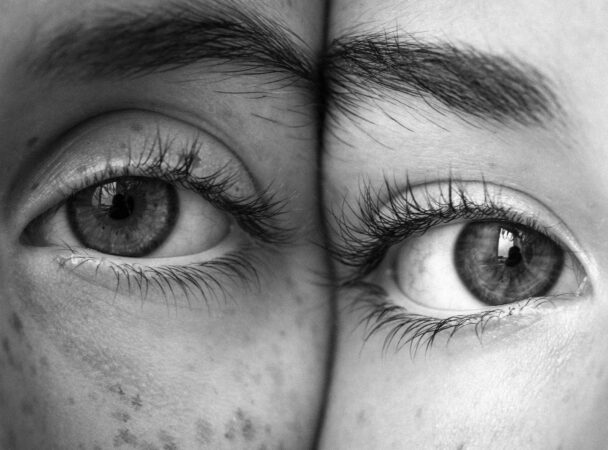
Émile Riopel
S’il le faut, je me réduirai en cendres pour être sûr que le vent m’emporte
09.11–10.24.2026
Current
Luc Paradis
Artist
Luc Paradis
Knowing that Luc Paradis is an artist and a musician whose practice spans painting, sculpture, fashion and design is perhaps helpful when considering his work. His interest in mise-en-scène, this provocative space between artistic installation and performance, is evident in the vast array of media and aesthetics he chooses, and how carefully they are placed within the gallery. Picking up on themes explored in previous exhibitions, such as Simulatneous Displays, at Parisian Laundry, Paradis continues to navigate ideas of mise-en-scène and the exhibition as a stage; a space where objects may interact with each other and with the audience.
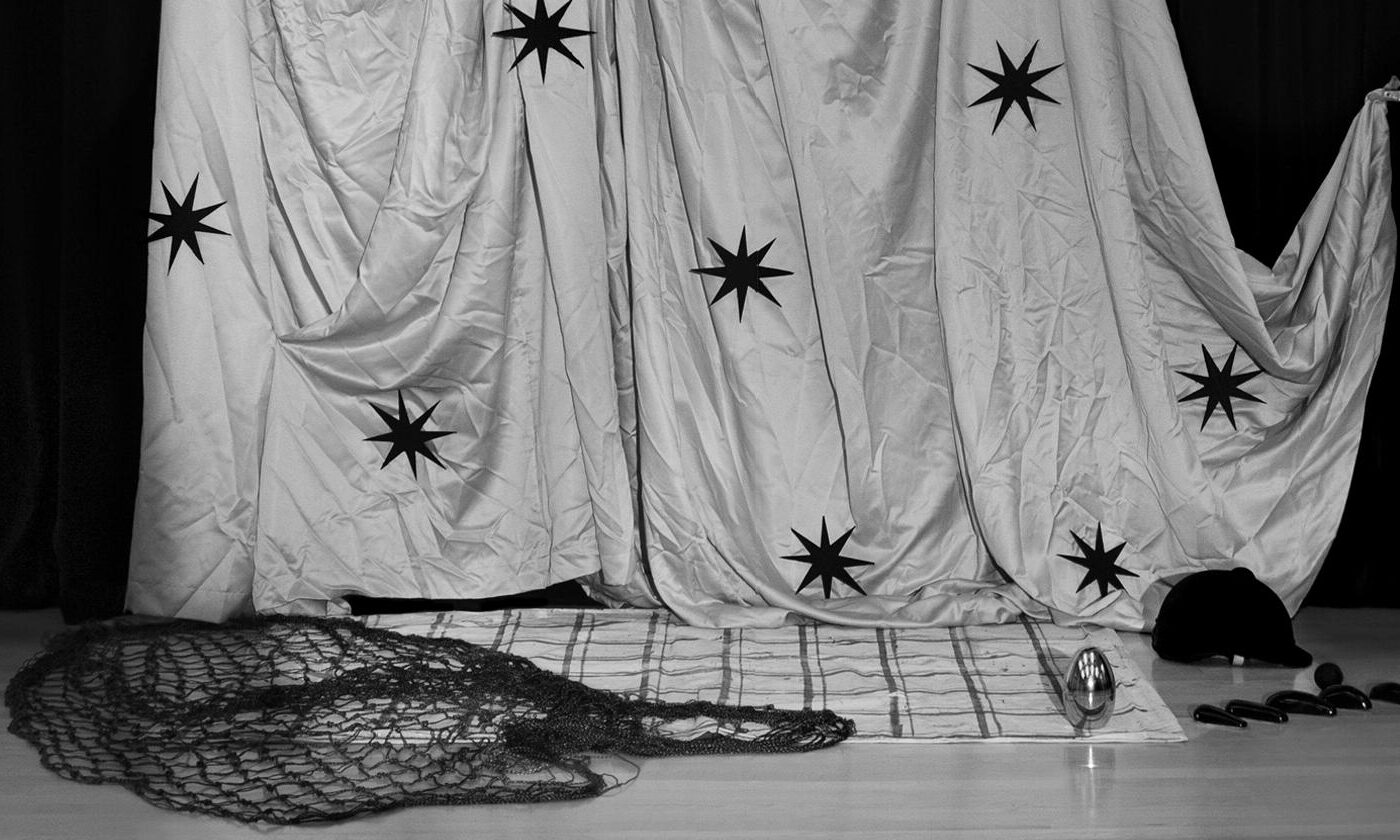
Entering the gallery, we are confronted with two large black and white photos on the back wall, which together, depict a nearly empty stage pre/post performance. A draped cloth acts as a backdrop for the few haphazardly placed props. A sculpture stands in front of the photos: a hand-made spinning spindle in black ceramic. In the centre of the space, mounted on poles, a double-sided black and white painting of an abstract motif: one side the negative of the other. Surrounding this composition are three paintings of abstract silhouettes whose repetition and form emit an explicit energy, a rhythm, a sexuality that calls to mind the figures in Matisse’s cut-outs, and the compositions of Wilfredo Lam or later Picasso. At first glance, it is easy to imagine these as actors who were, or will be, performing on stage, caught in a moment we are privileged to see. Upon closer inspection, however, the stage set seems to creep into the real: the spinning ceramic object in the room is the same as the prop in the photo; the abstract motif from the double-sided painting is perhaps a reference to the backdrop of the stage in the photo.
In her essay “The Im/pulse to see” Rosalind Krauss draws a link between Duchamp’s spinning spiral Precision Optics, and Picasso’s numerous preparatory studies for Déjeuner sur l’herbe (d’après Manet) as an “issue of rhythm, or beat, or pulse—a kind of on/off on/off on/off—that acts against the stability of a space but then there is a moment between the on/off that is between the active and the passive.”1 In this exhibition, Paradis creates a similar “in-between” space, where we might wonder if we are a passive audience or active participants in a performance. As we unexpectedly cross the stage, looking left, looking right, moving forwards and backwards, the paintings’ figures seem to watch us from off-stage.
– Grier Edmundson
1. Krauss, Rosalind, « The Im/pulse to see » in Vision and Visuality ed. Hal Foster (New York : The New Press, 1988), p.51

Artist: Luc Paradis. Photo credit: Paul Litherland
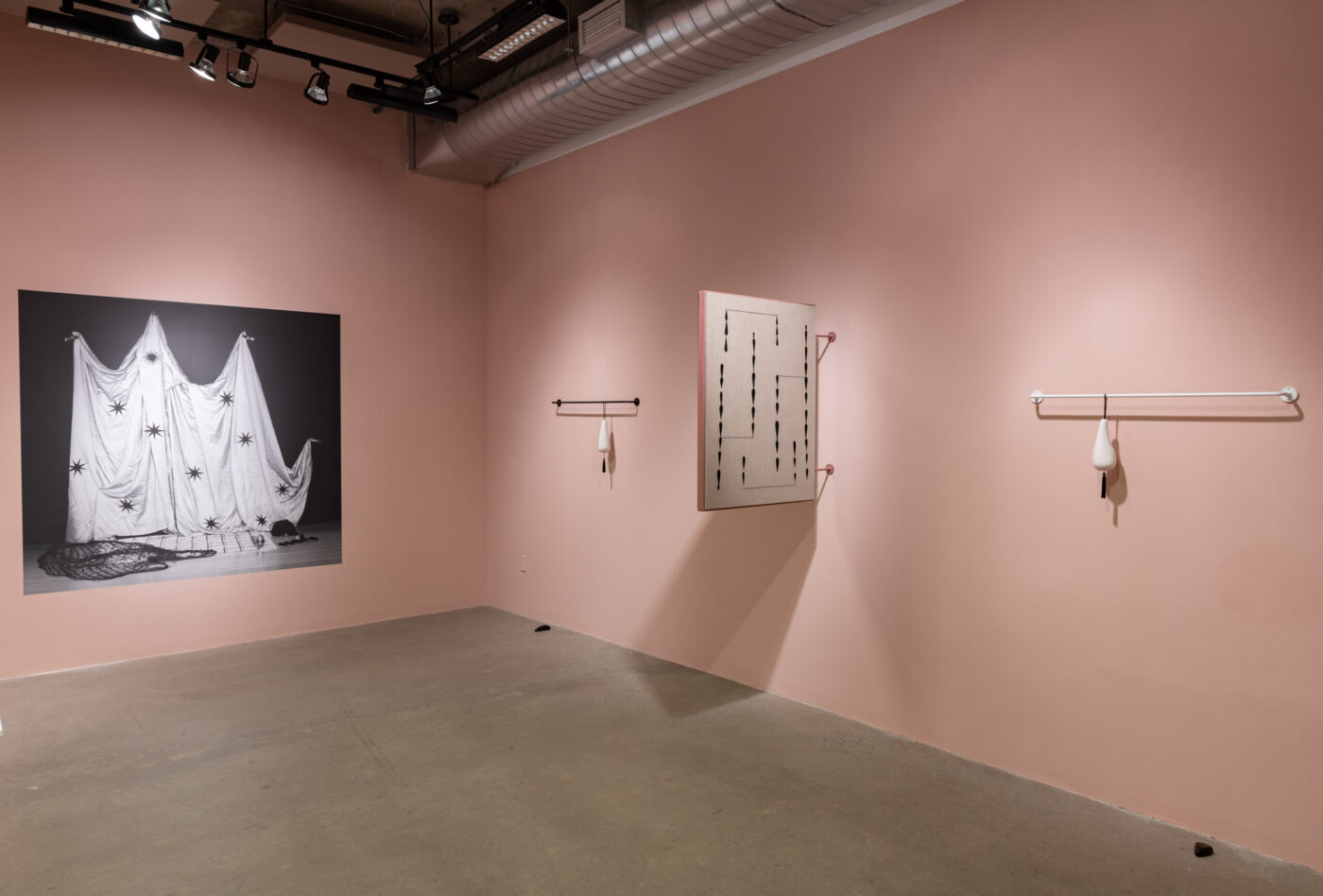
Artist: Luc Paradis. Photo credit: Paul Litherland
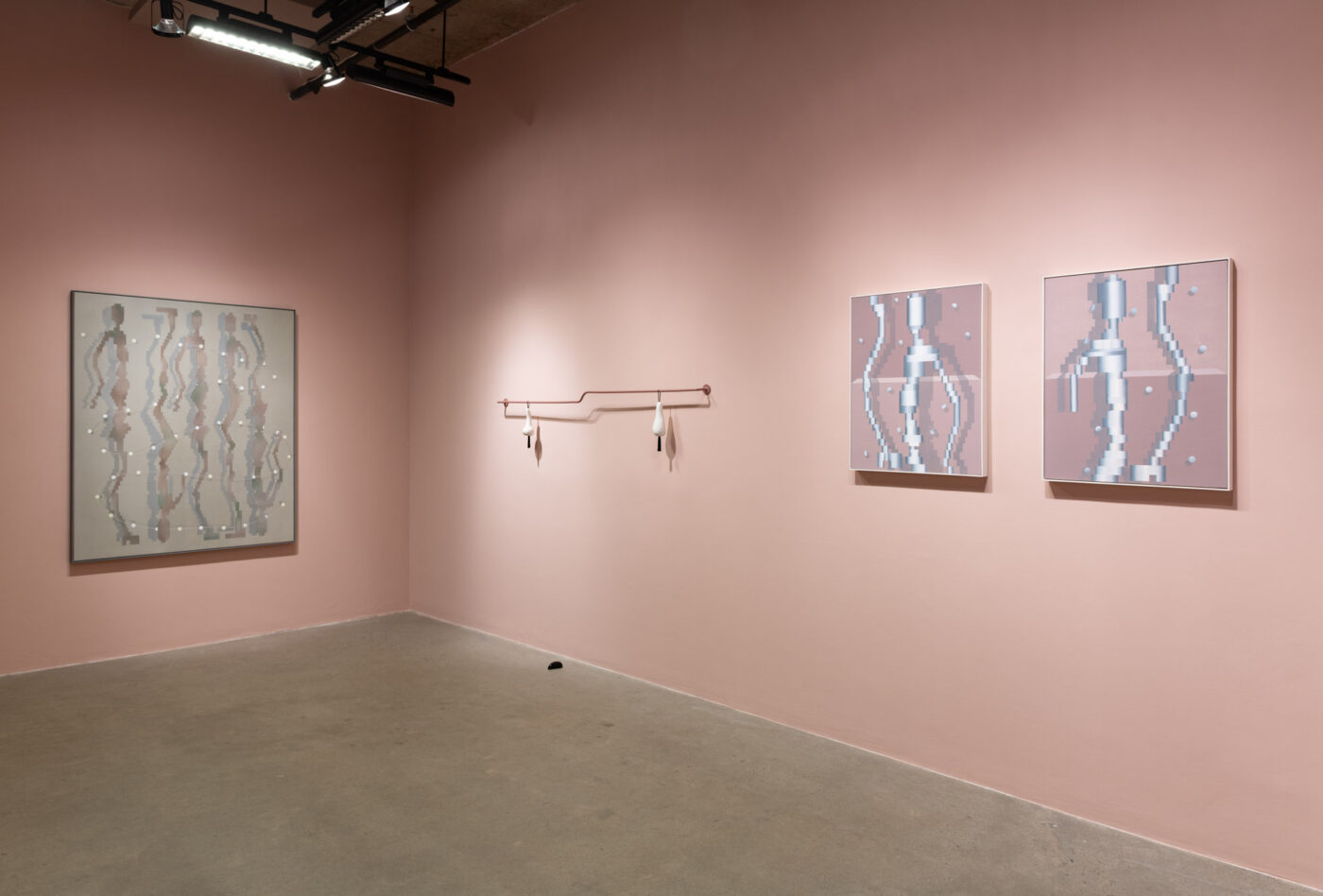
Artist: Luc Paradis. Photo credit: Paul Litherland
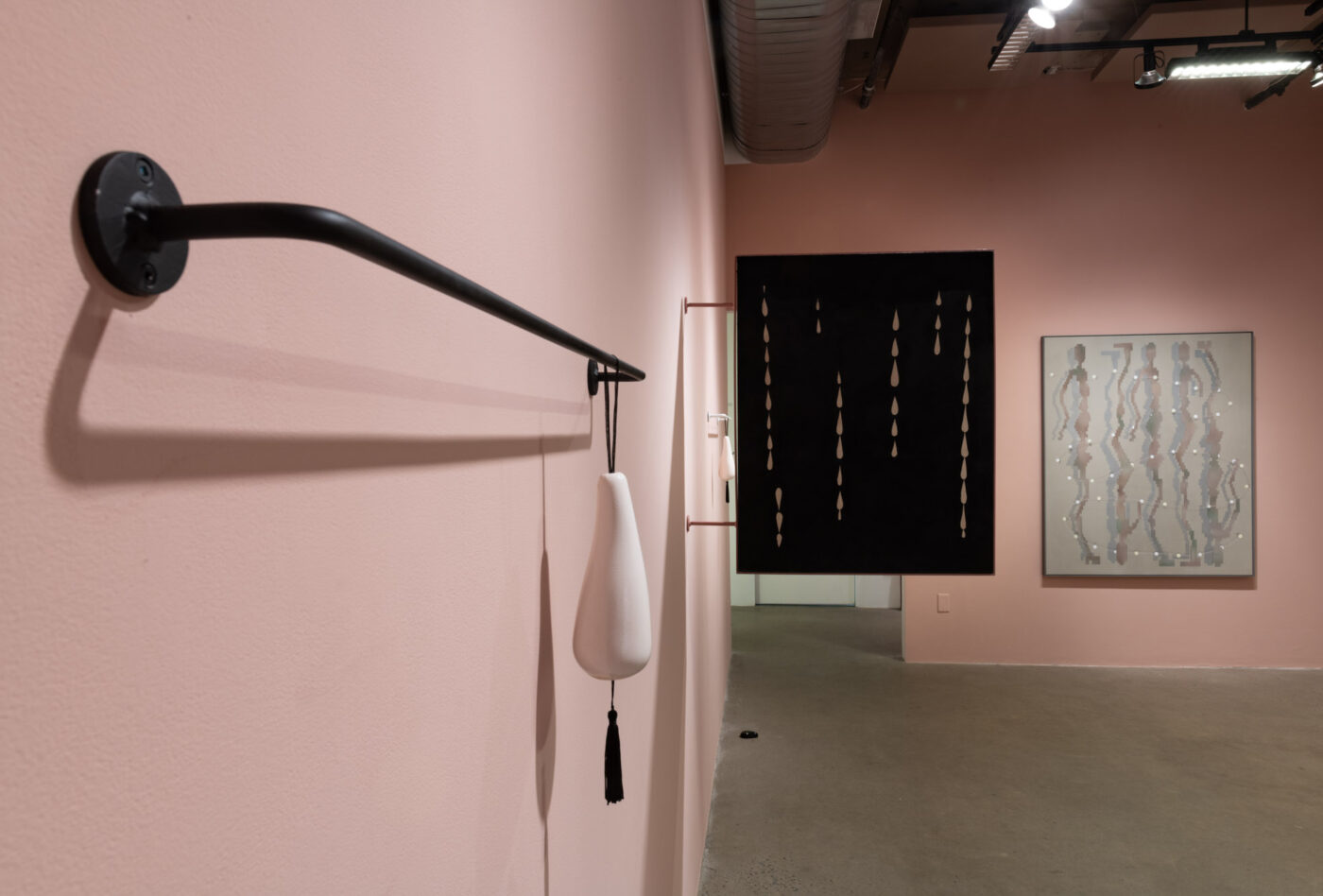
Artist: Luc Paradis. Photo credit: Paul Litherland
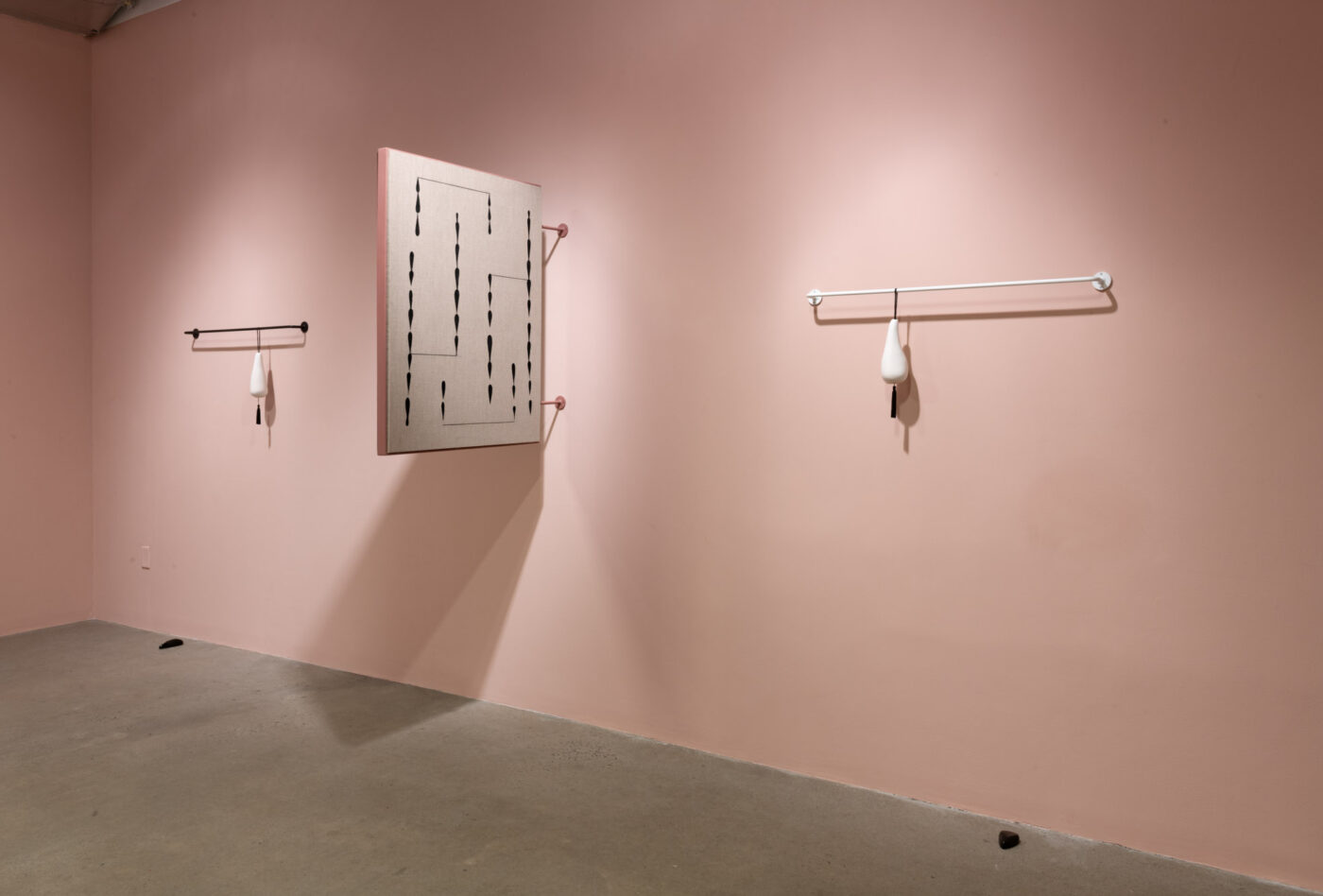
Artist: Luc Paradis. Photo credit: Paul Litherland

Artist: Luc Paradis. Photo credit: Paul Litherland
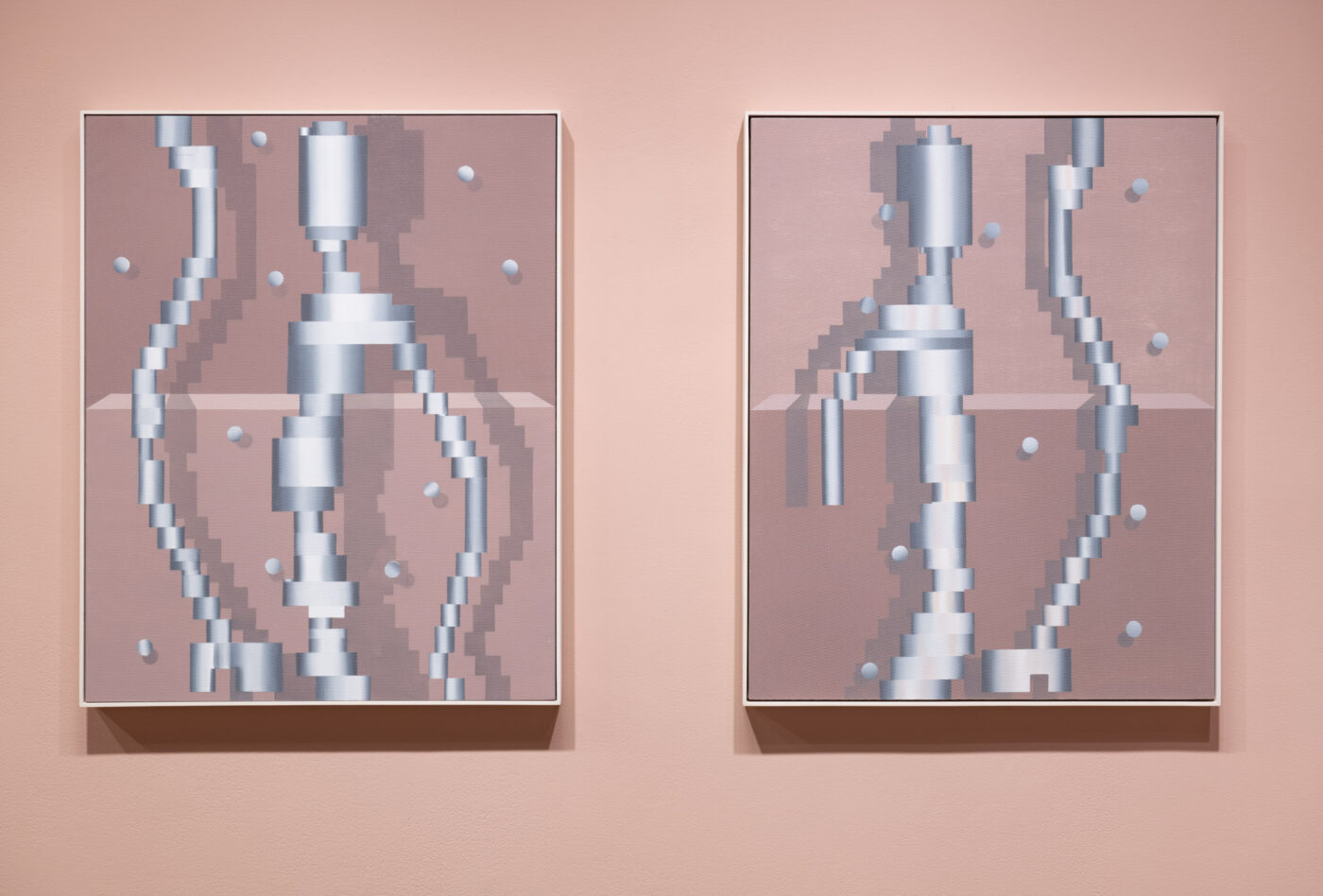
Artist: Luc Paradis. Photo credit: Paul Litherland
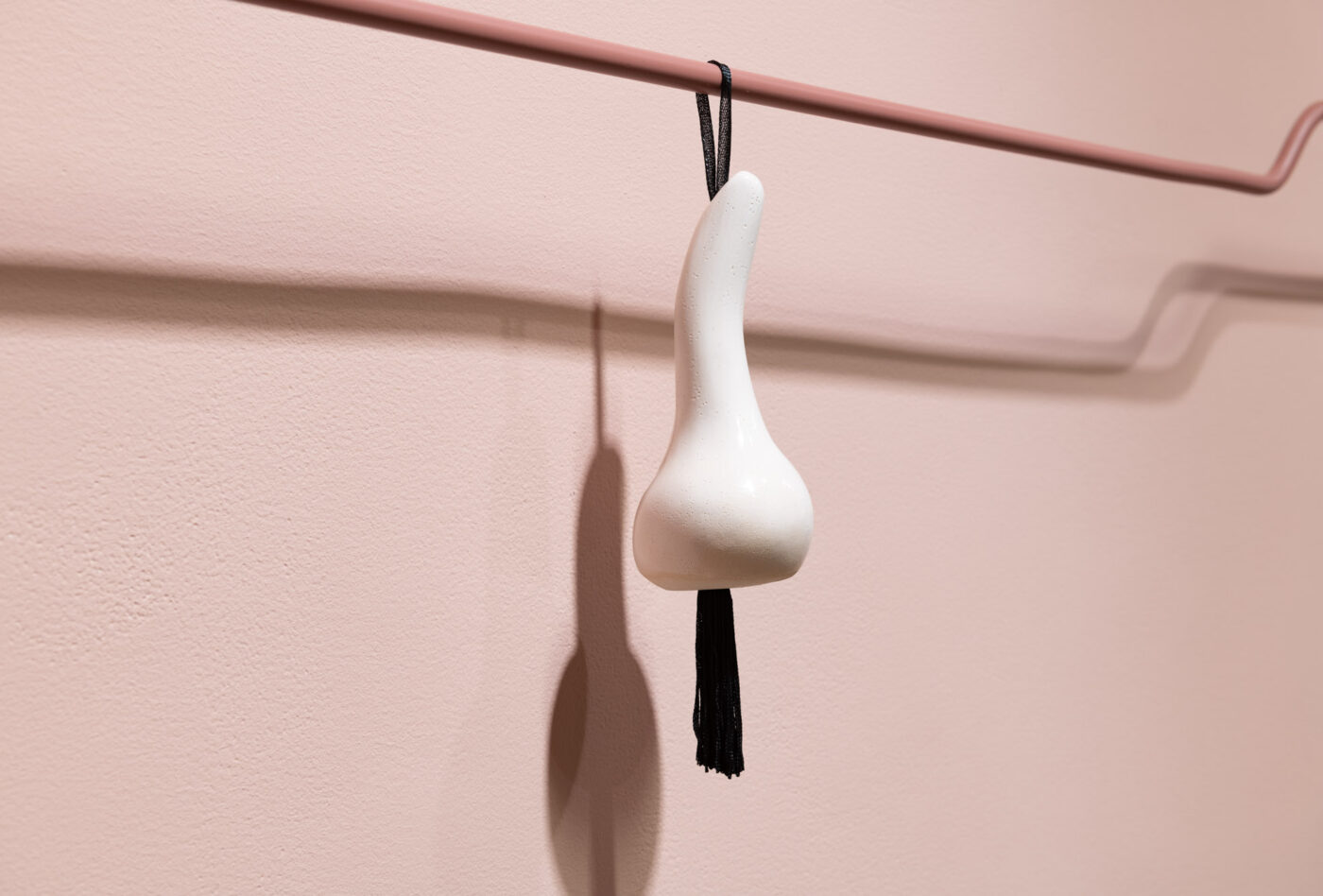
Artist: Luc Paradis. Photo credit: Paul Litherland
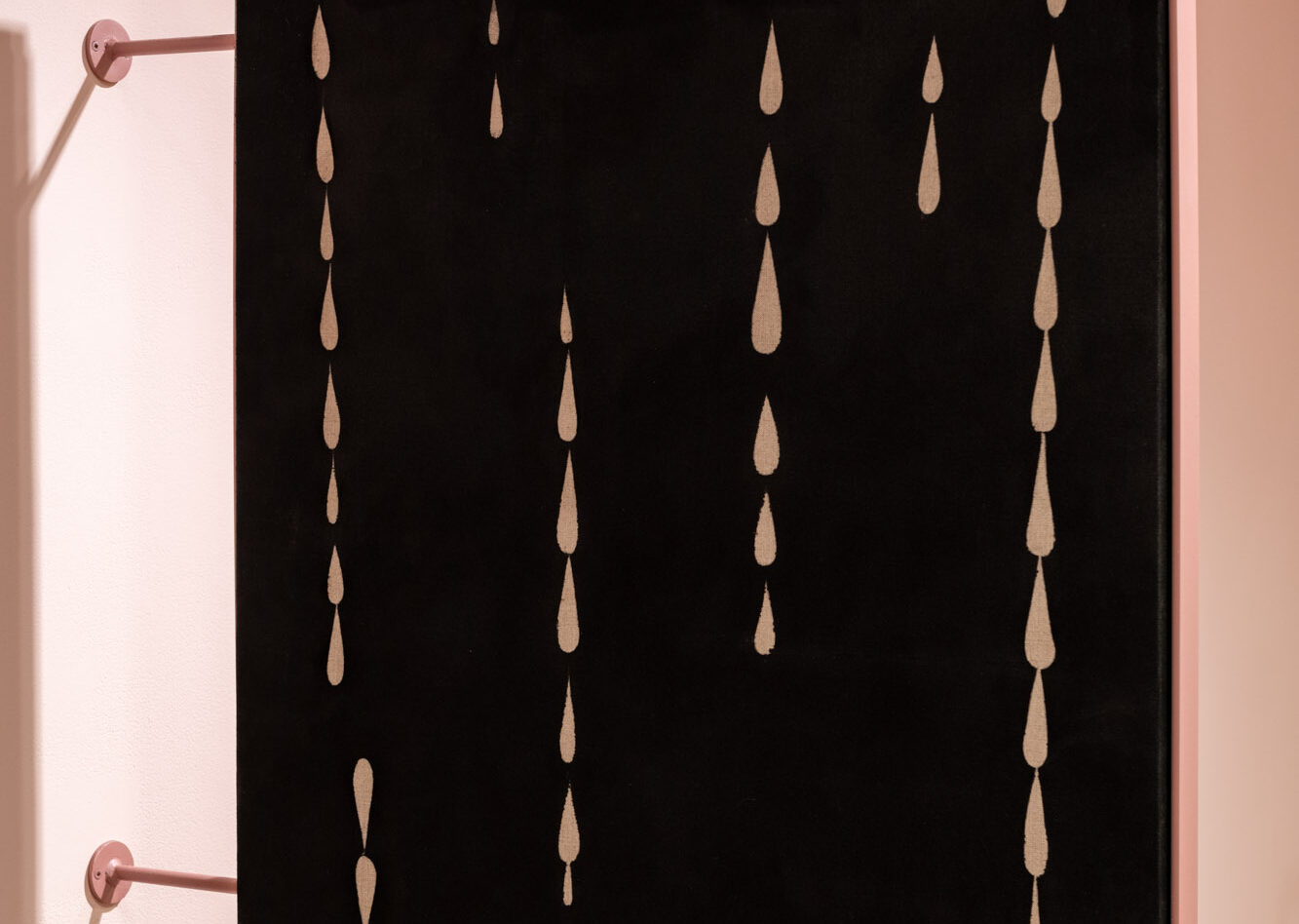
Artist: Luc Paradis. Photo credit: Paul Litherland
A crowdfunding campaign for emerging artists.