Émile Riopel
S’il le faut, je me réduirai en cendres pour être sûr que le vent m’emporte
09.11–10.24.2026
Current
Opening
Friday January 16, 5pm
Artist
Marc-Olivier Hamelin
After the Lilies Died in the Cold Sun
Do you love me more when I wait at the beginning for you, like a page header desperate to reveal authorship, or pleading to feel recognizable?(1) A coffee cup is a photograph if you really think about it.(2)
It was cold out, and I was sitting by a window in a bright room, watching lilies die and listening to him, in French, on an old television, talking about the bed as a place of
healing // death
intimacy // loneliness
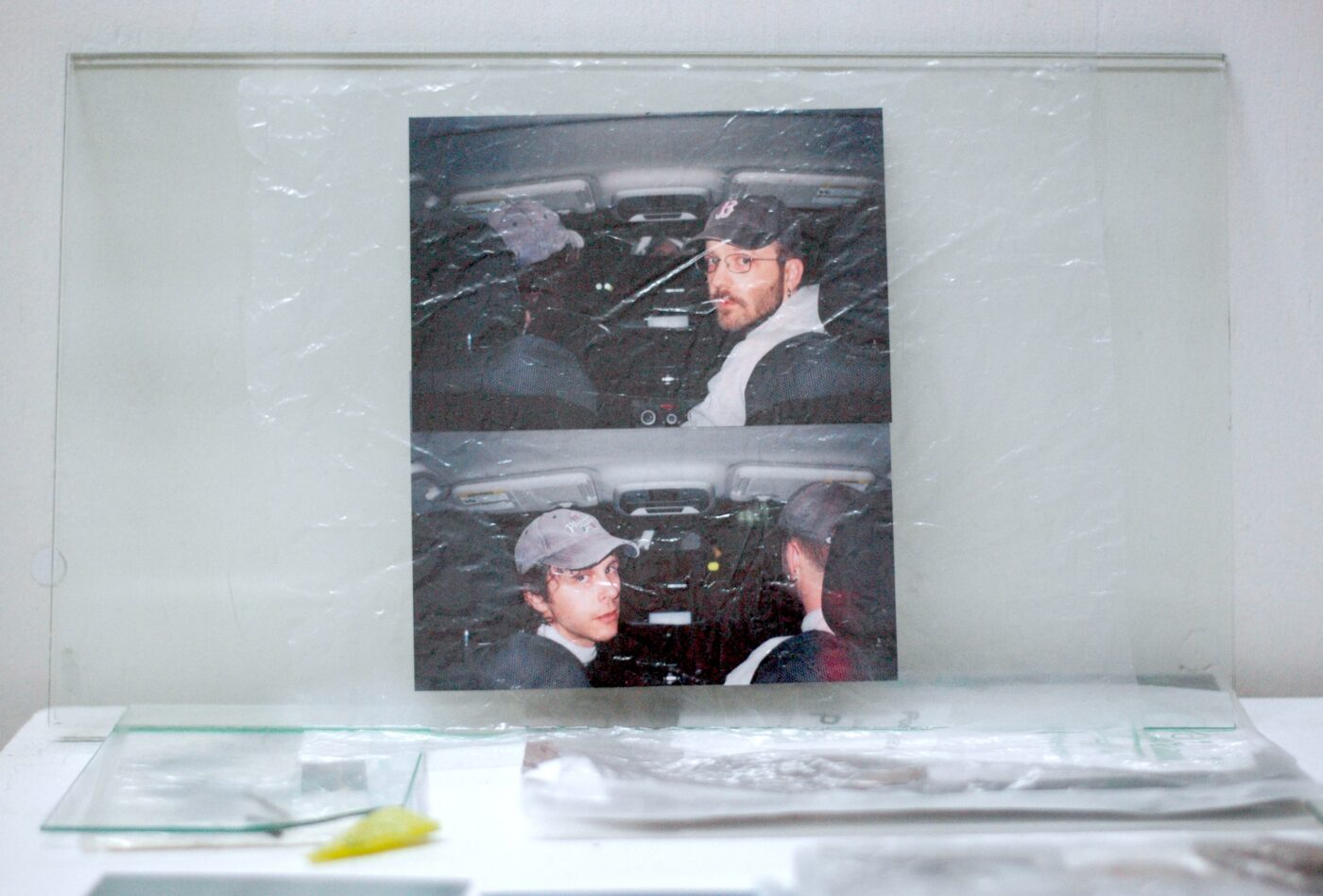
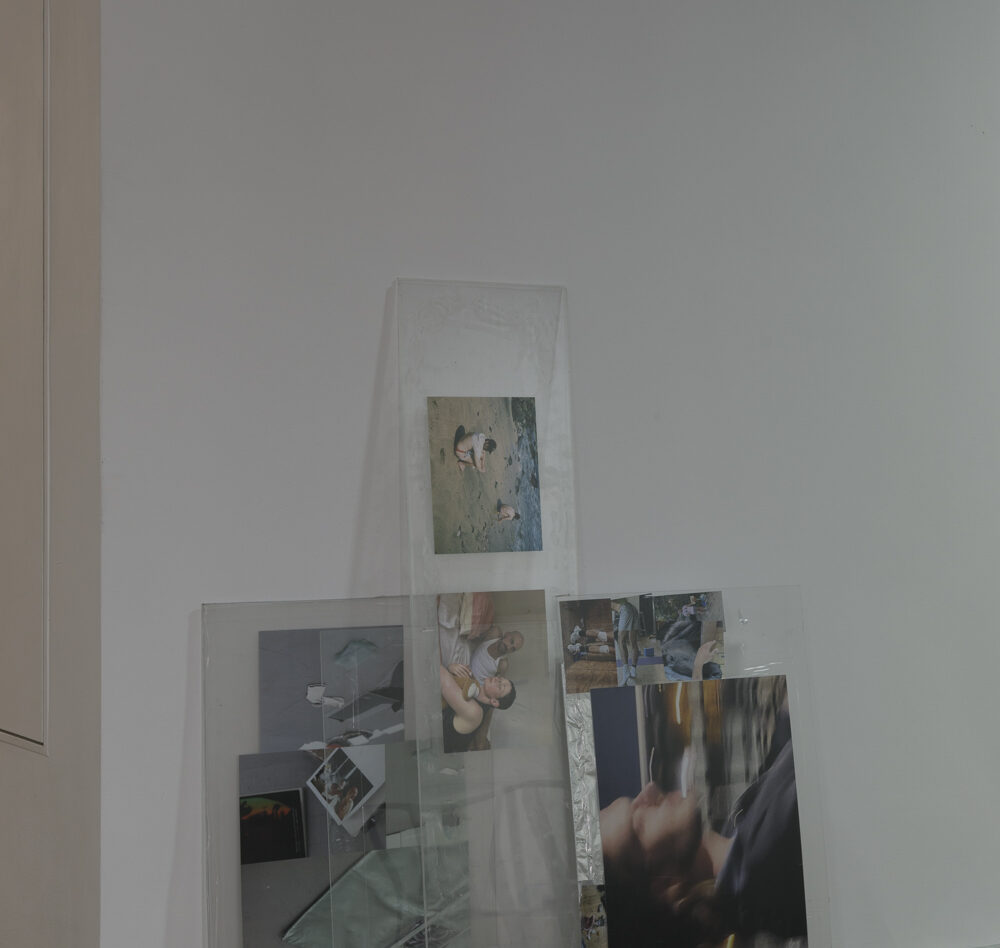
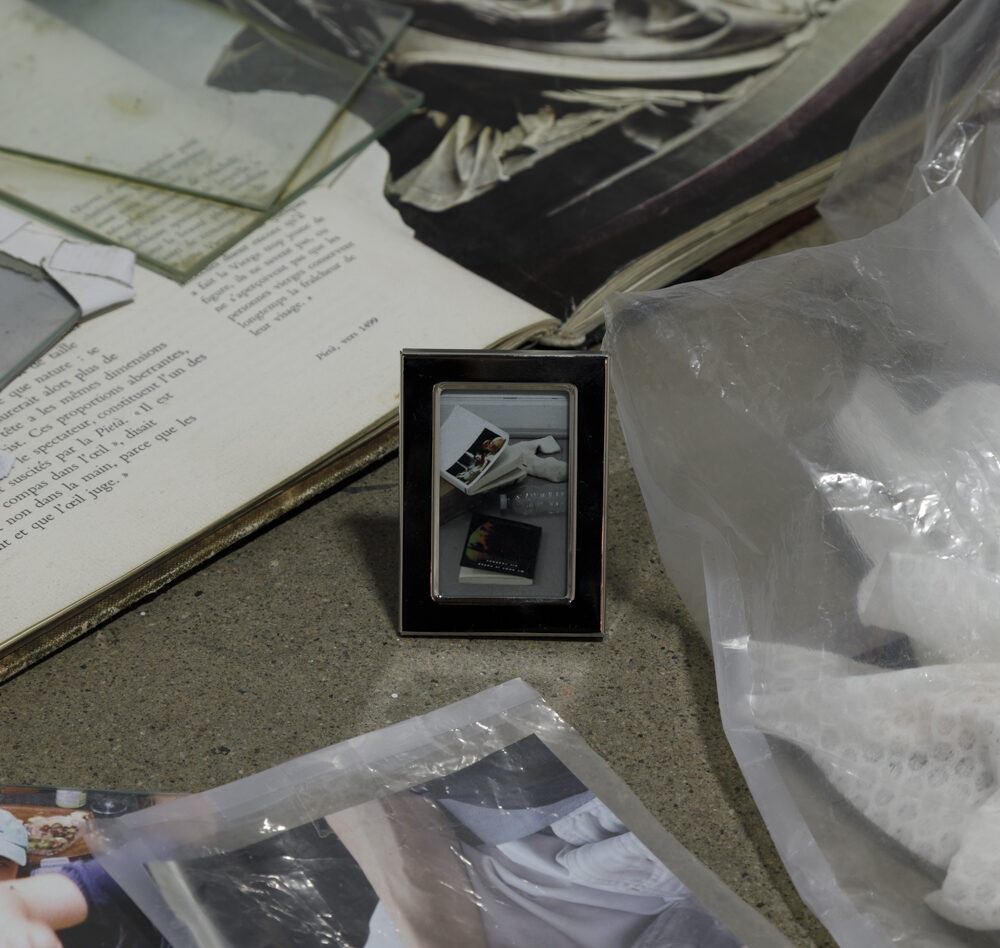
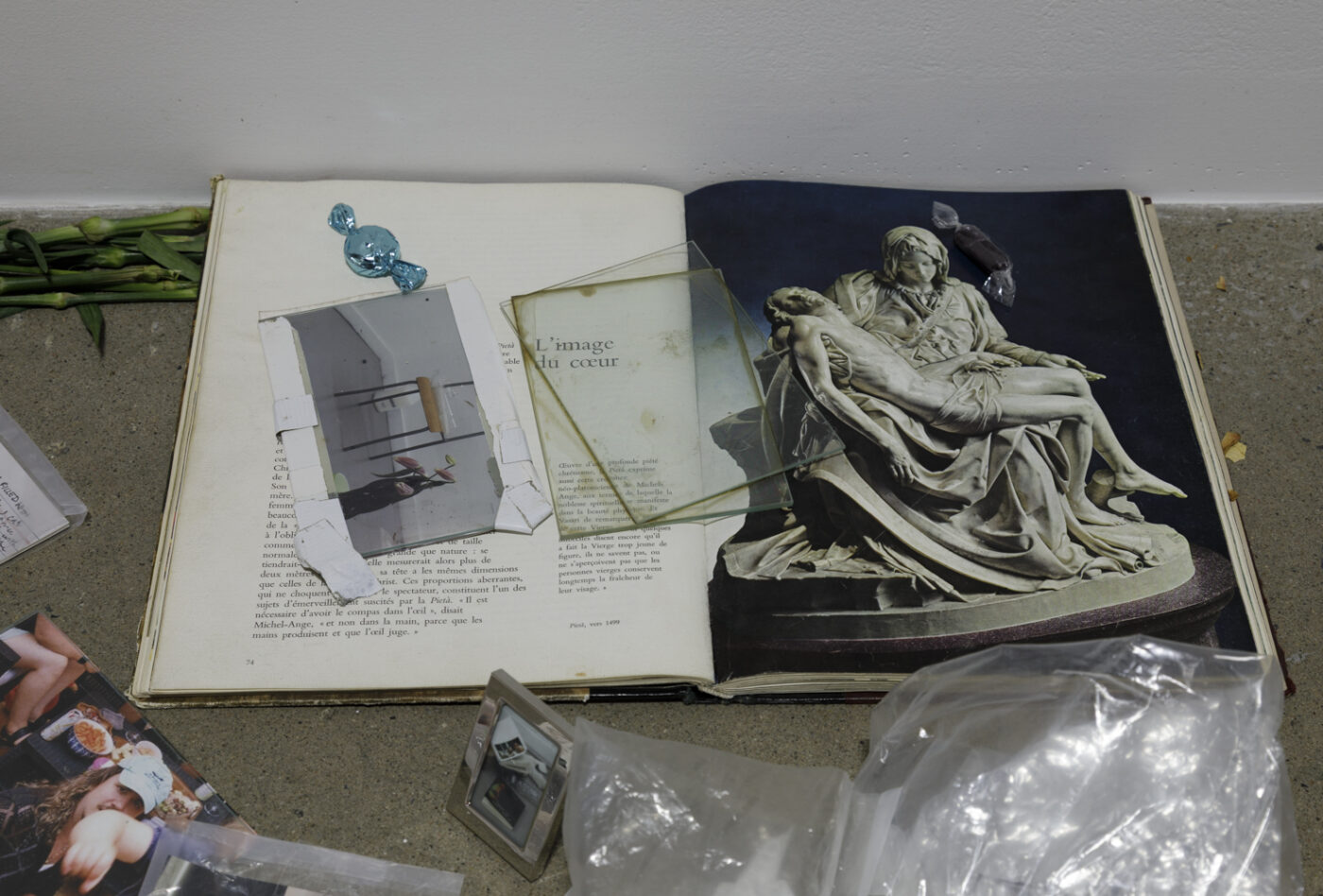
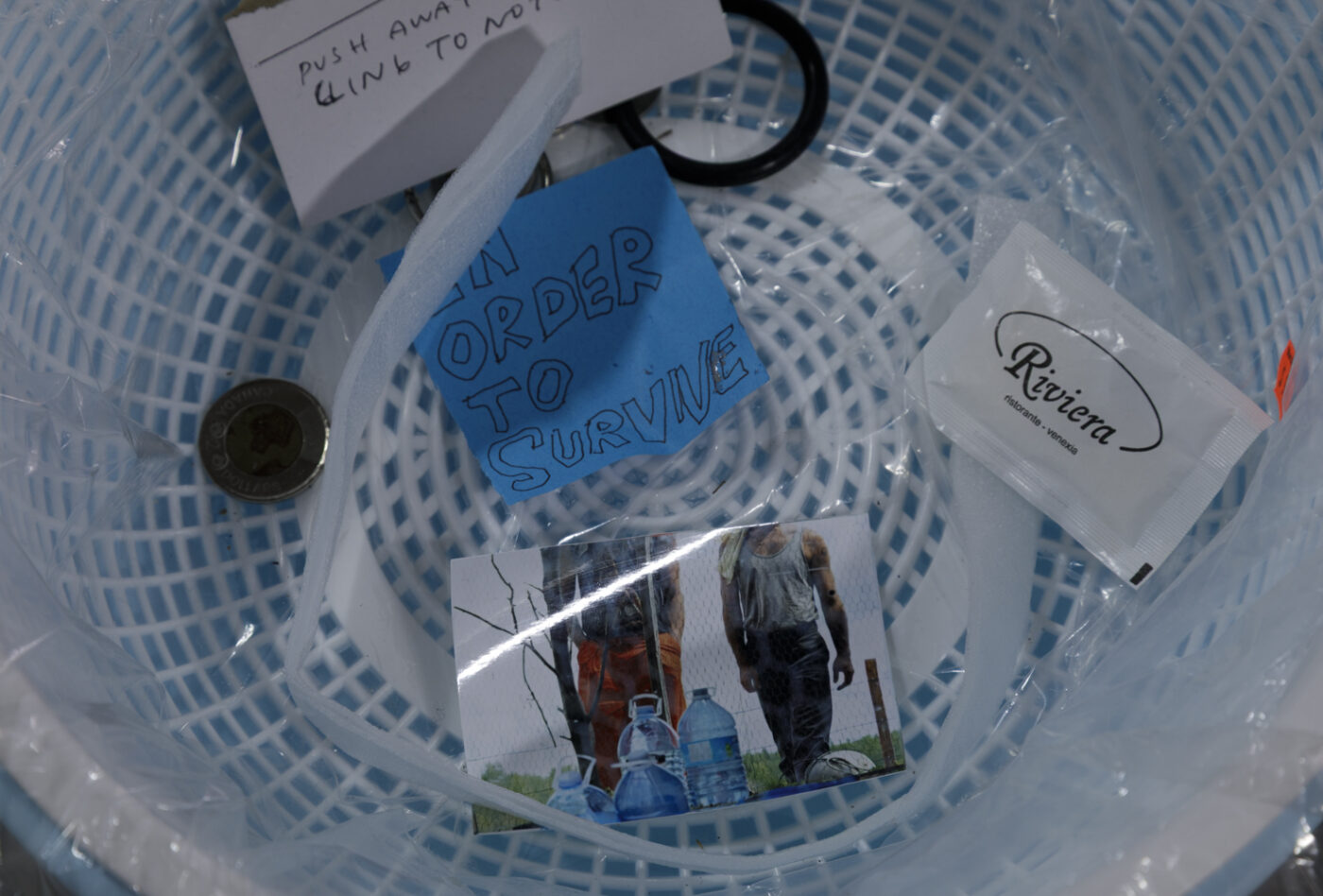
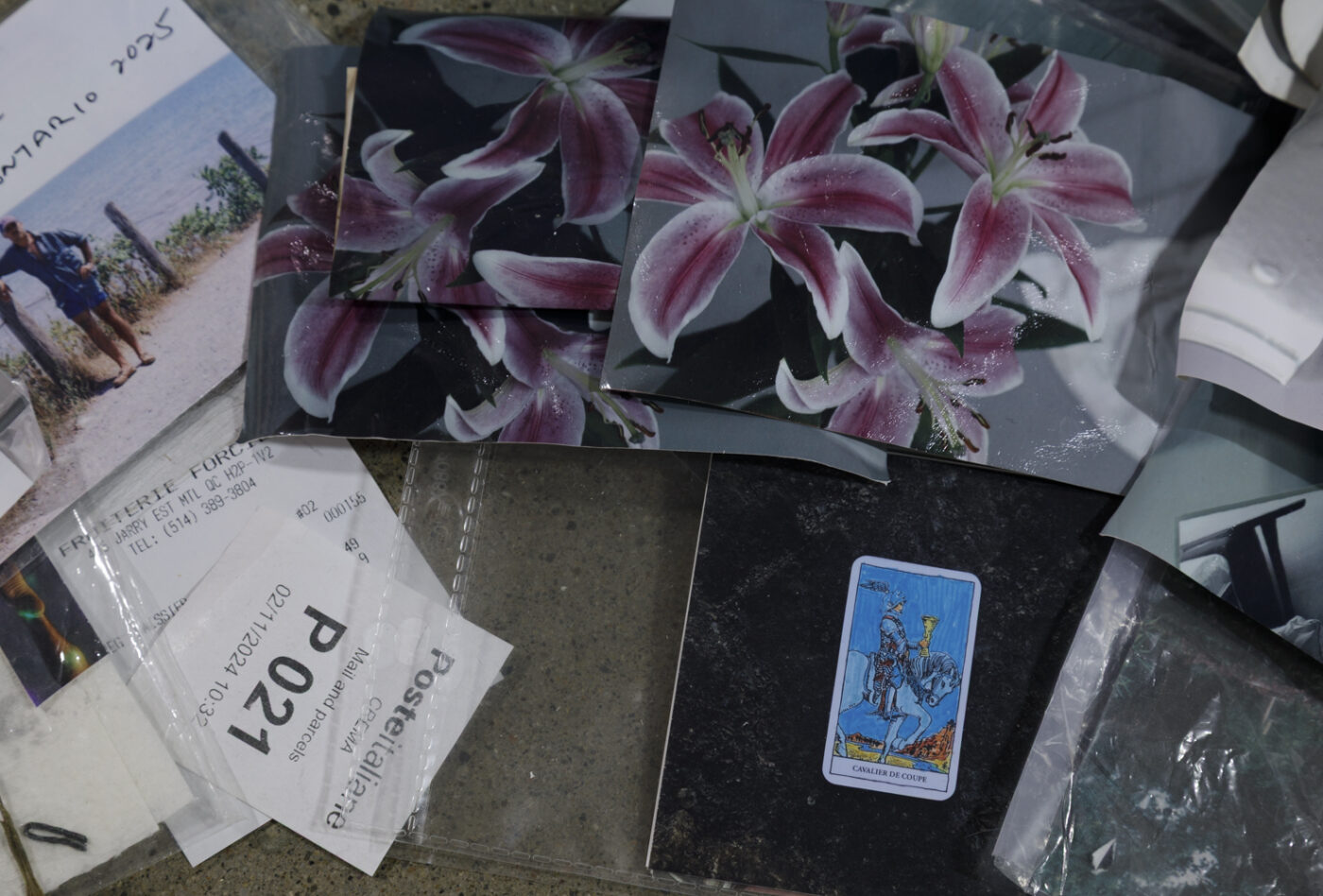
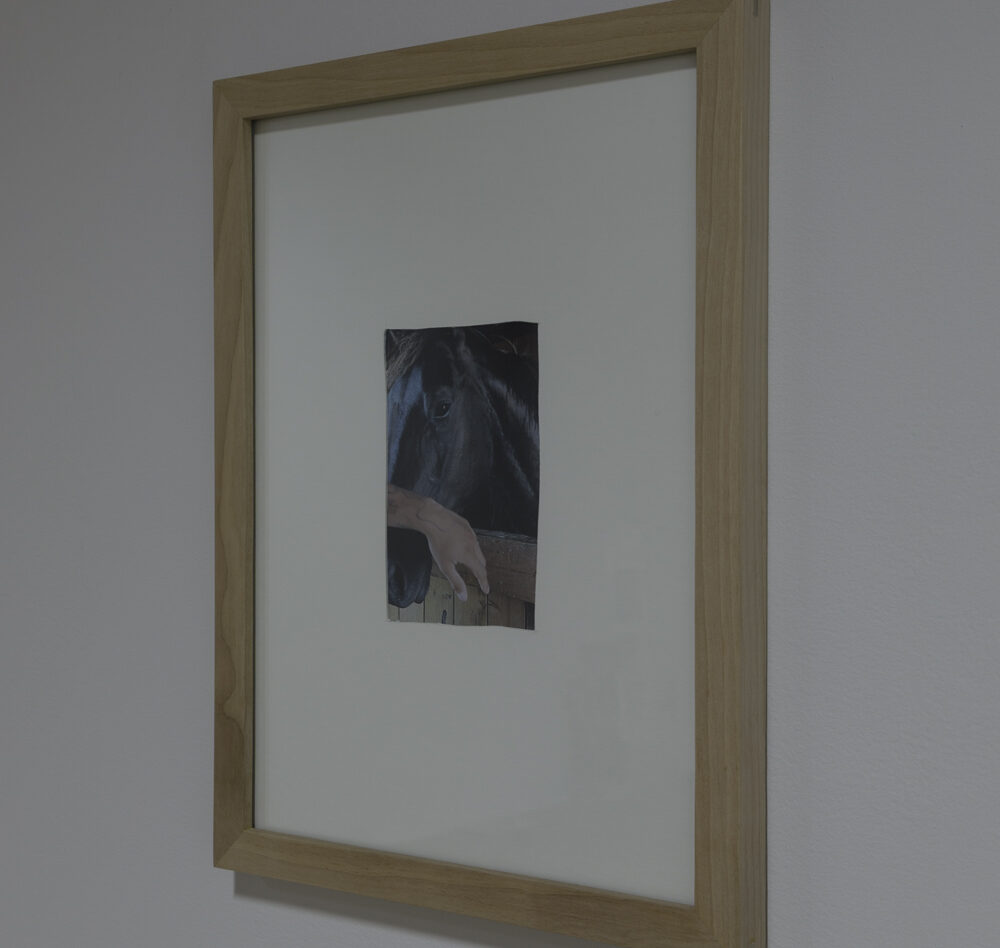
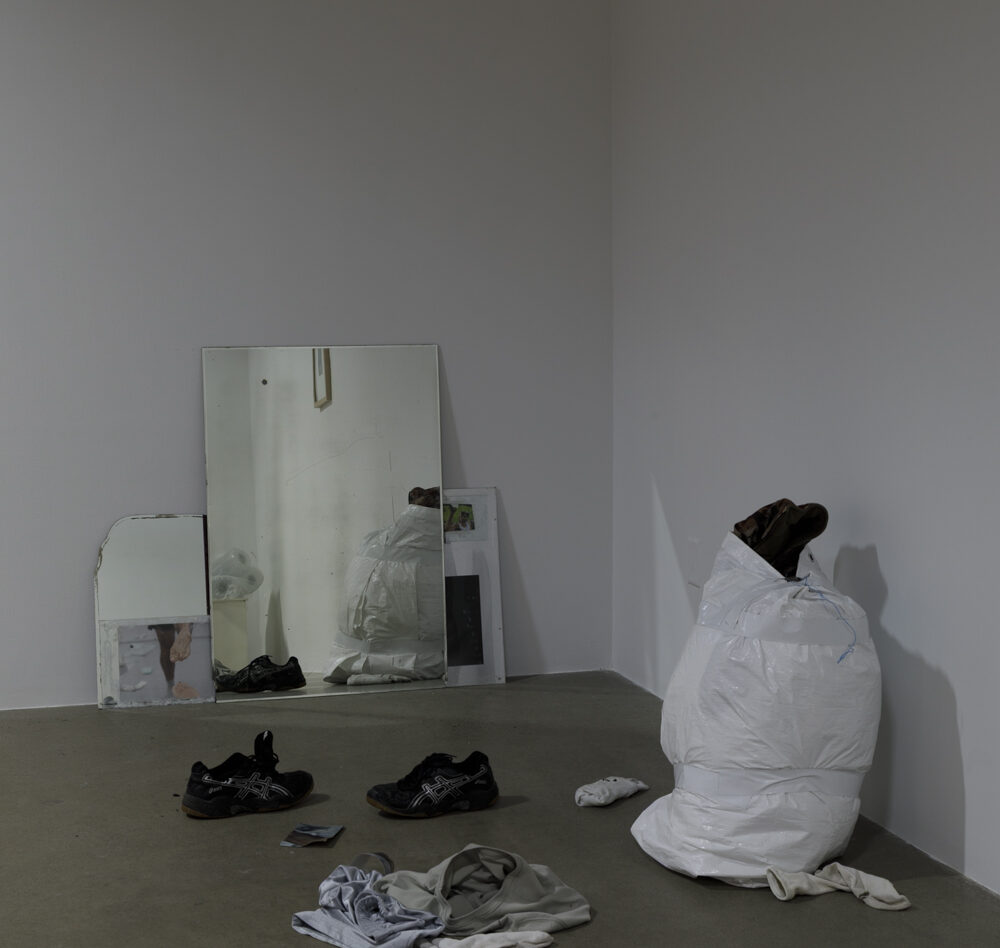
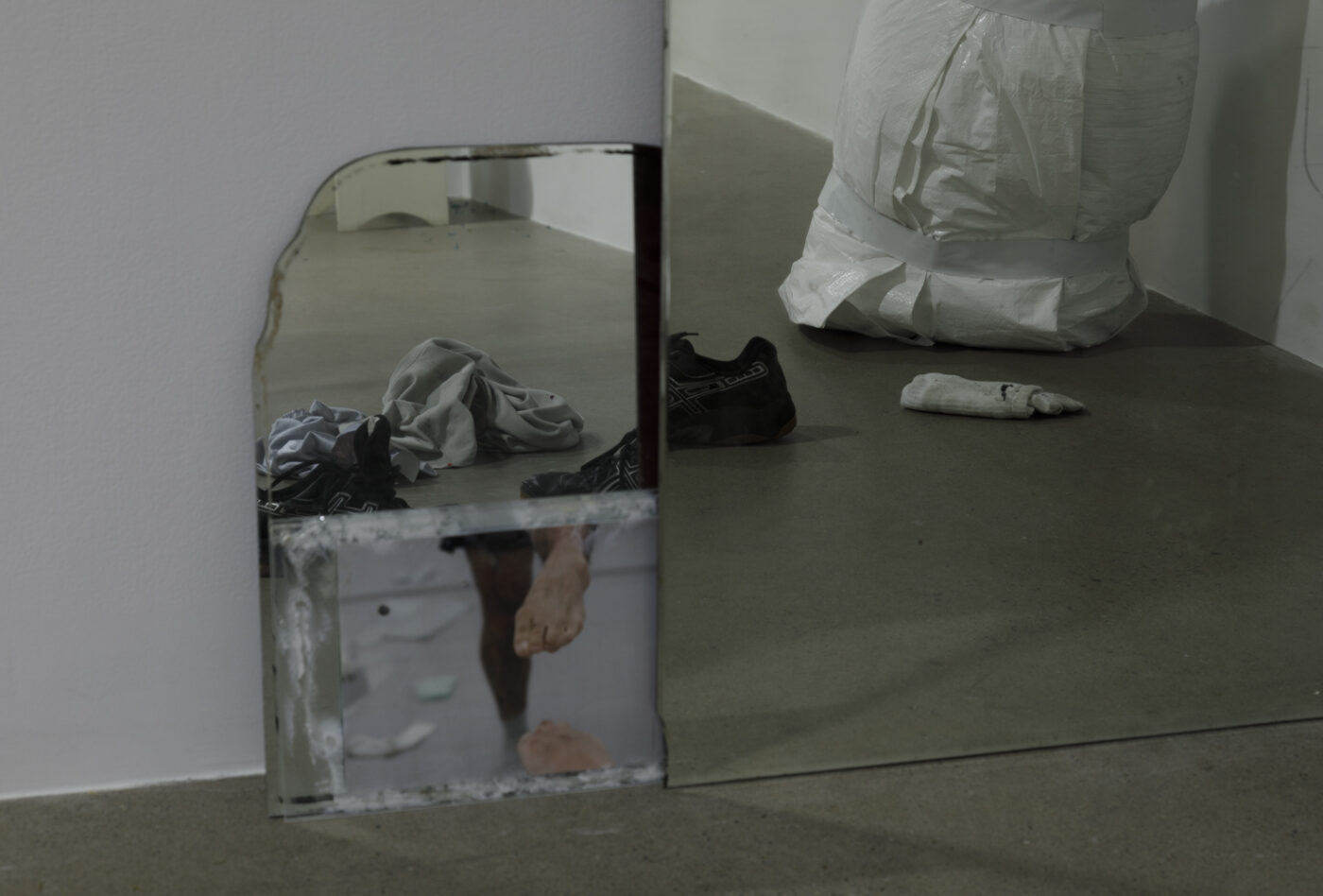
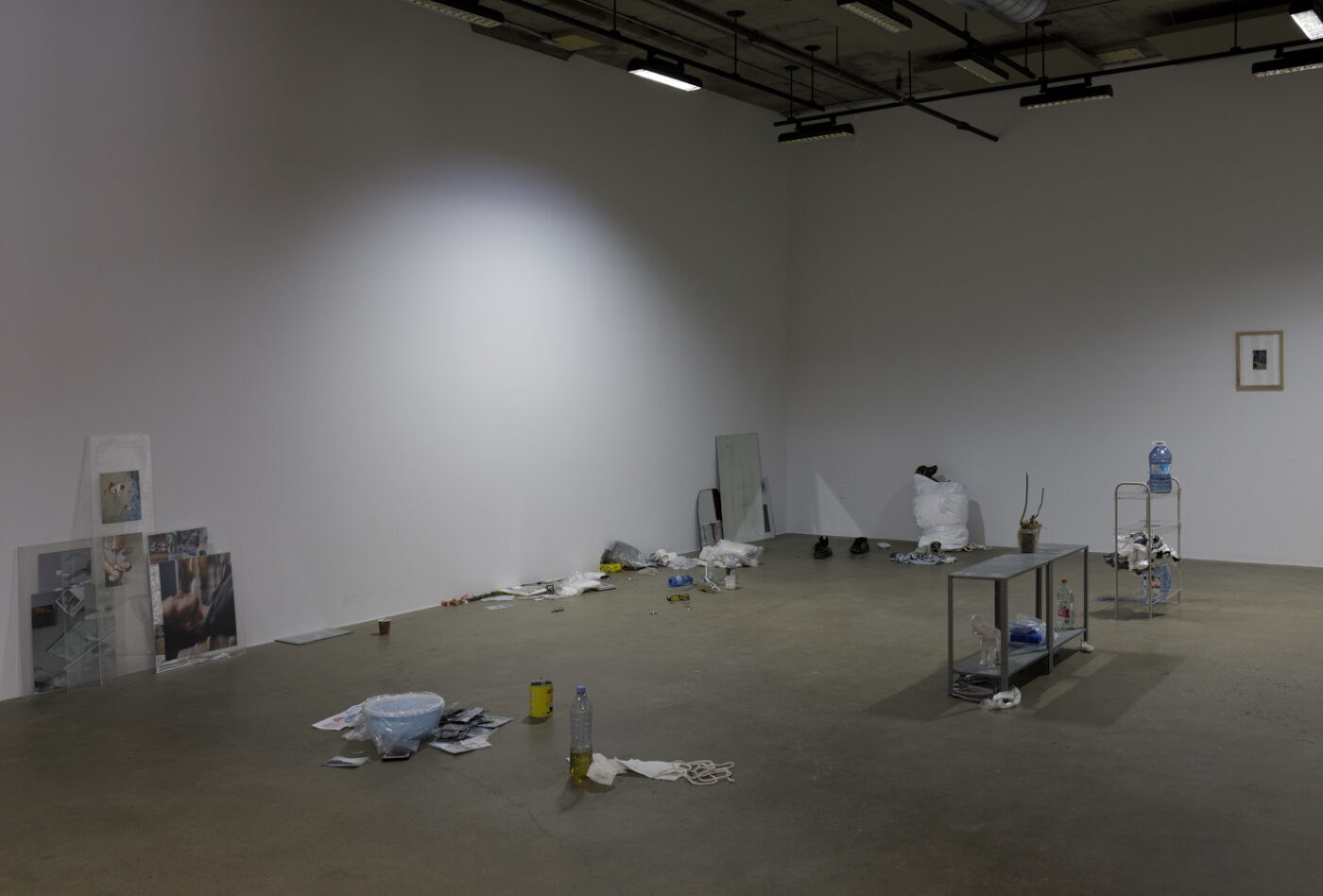
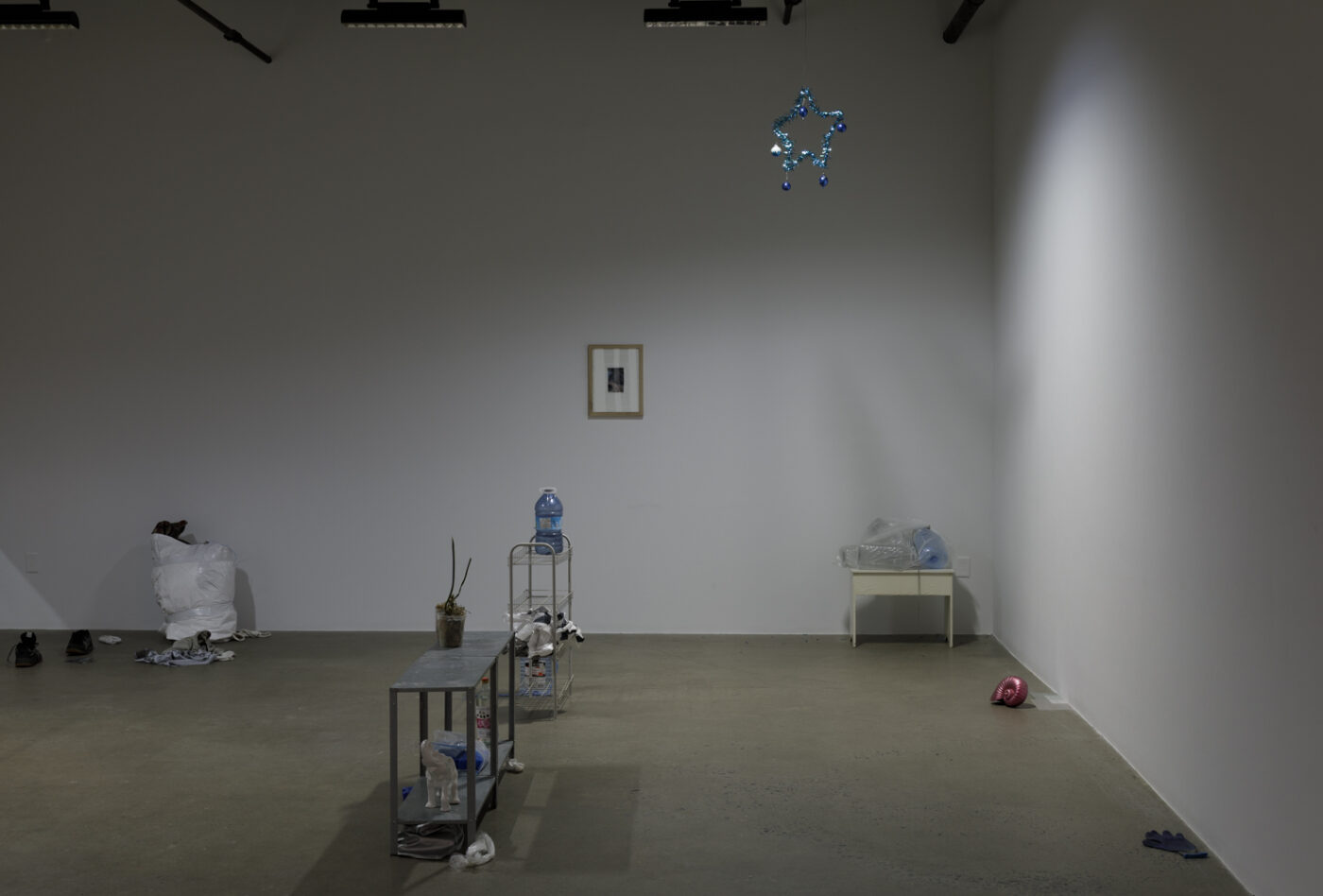
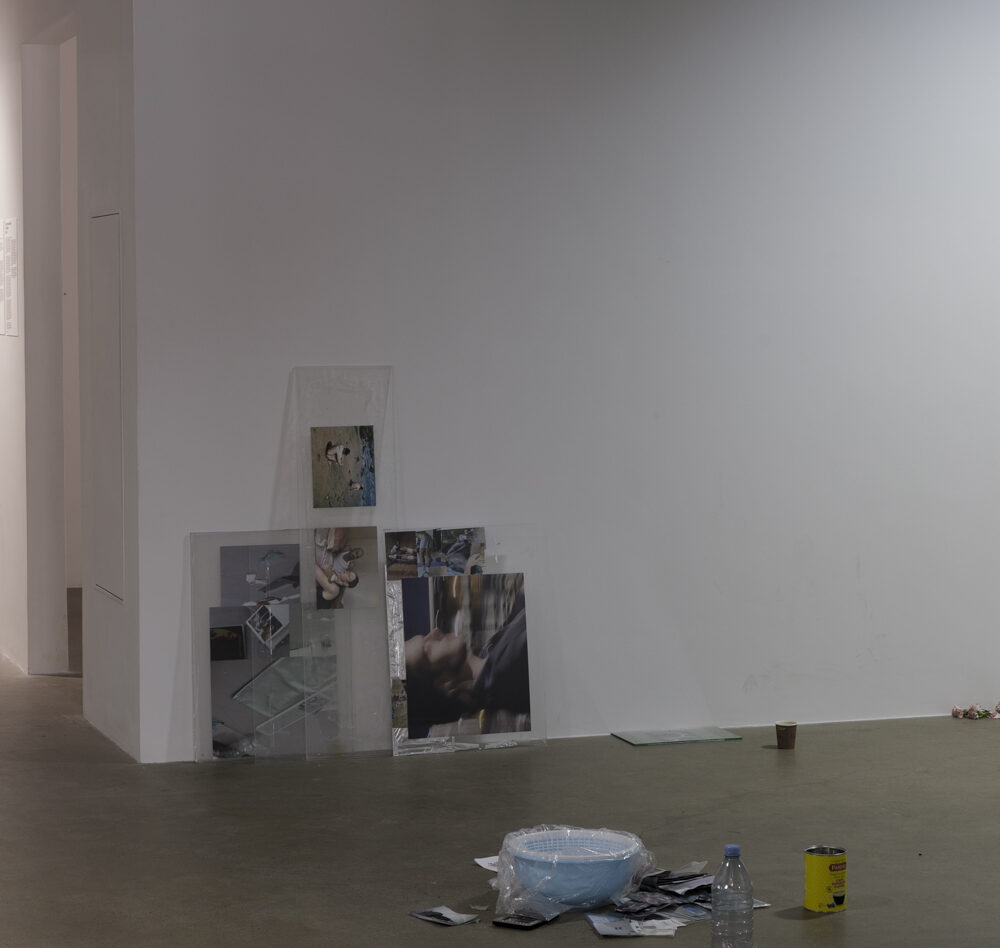
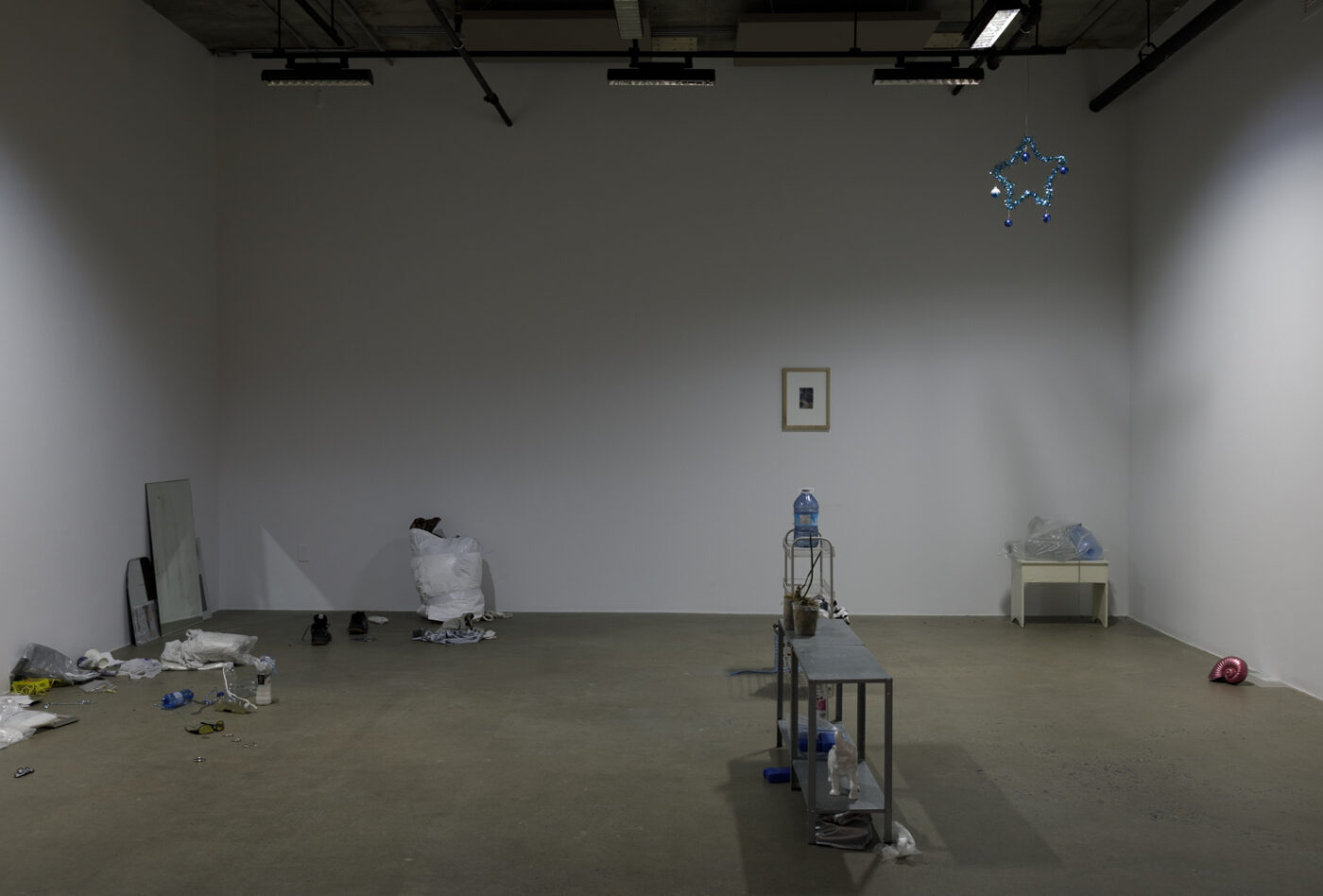
« Both of us were dreamers, young love in the sun » [1] is a container holding vessels of sweat, blood, piss, and other memories that leave stains. So too are photographs containers for hope, futurity, and spectres, like a Roland Barthes fever dream. These containers are infilled with a hauntological anti-presence: absence is the only decipherable hint of presence precisely through the markers that signify that something must have already been in order to first become missing. The anti-presence steeped in this exhibition suggests that the absence of the person(s) whose things we are seeing is the very force that attaches meaning to them, and the haunting remnant traces prompt us to feel something or someone that is not actually present – a ghost. “I’ve been reading texts about dead people for three years. I think I need to go to the beach now, even though those texts hold stories about beaches,” he confesses to me.
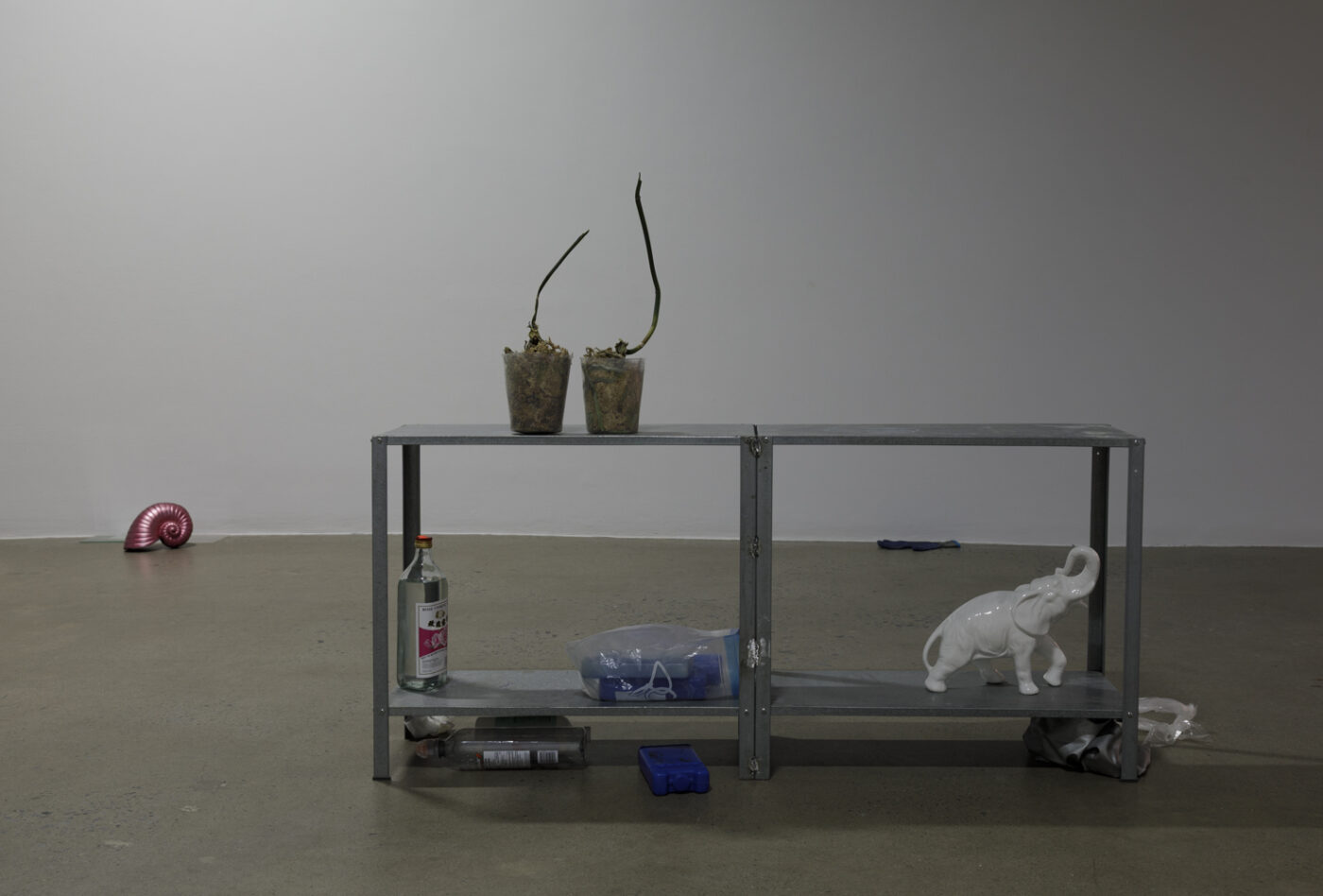
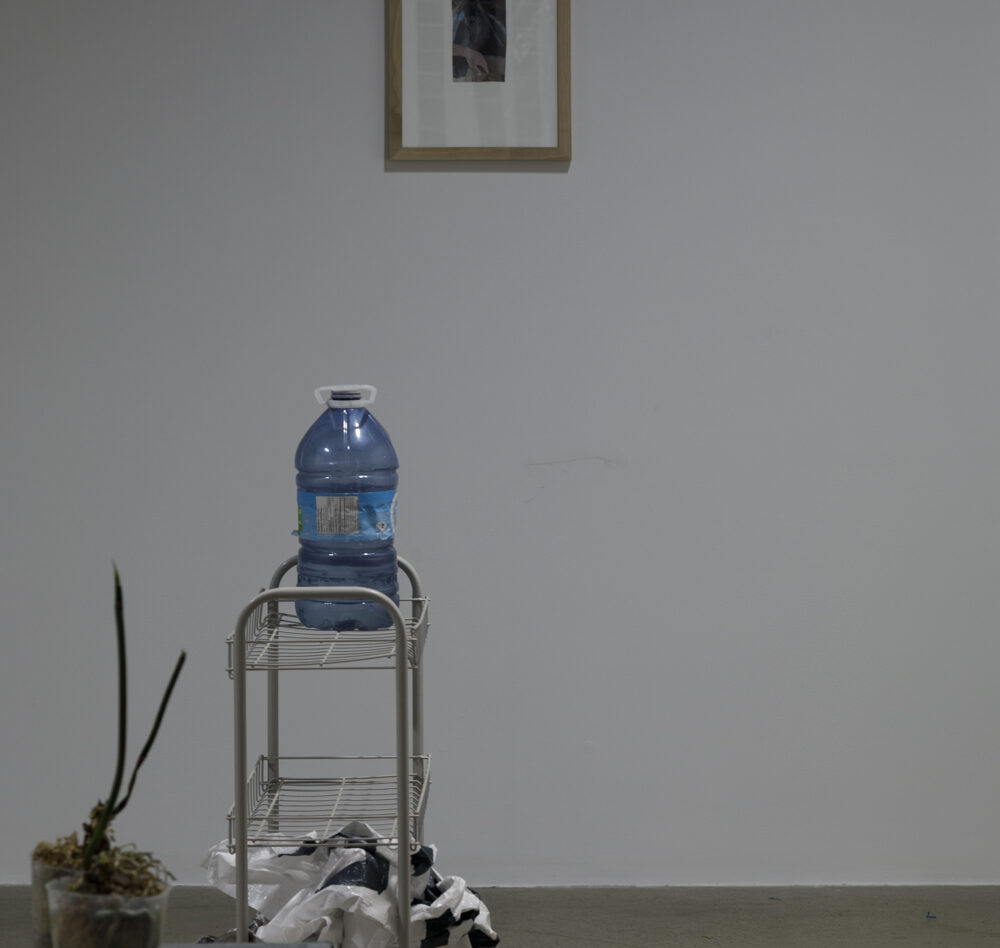
Hamelin’s work feels like a living room. Or at least, it shares the same affective impulse to attach the modifier of “living” to something as ordinary as a room — both his artistic practice and living rooms are reflective of the ordinances and objects that we gather around ourselves, which we narrativize as gaining life through our presence. As Elizabeth Freeman [2], a late theorist of queer temporalities, offers, ‘‘to be interested in the tail end of things, willing to be bathed in the fading light of whatever has been declared useless,” creates space for reimagining social possibilities. She continues by stating: ‘‘I find myself emotionally compelled by the not-quite-queer-enough longing for form that returns us backwards to prior moments, forward to embarrassing utopias, sideways to forms of being and belonging that seem, on the face of it, completely banal.” Like Freeman, Hamelin prompts us to return to the tail end of things to locate queer points of origin in the same way that Freeman writes: ‘‘we gather and combine eclectically, dragging a bunch of cultural debris around us and stacking it in idiosyncratic piles, not necessarily like any preexisting whole, though composed of what preexists.”
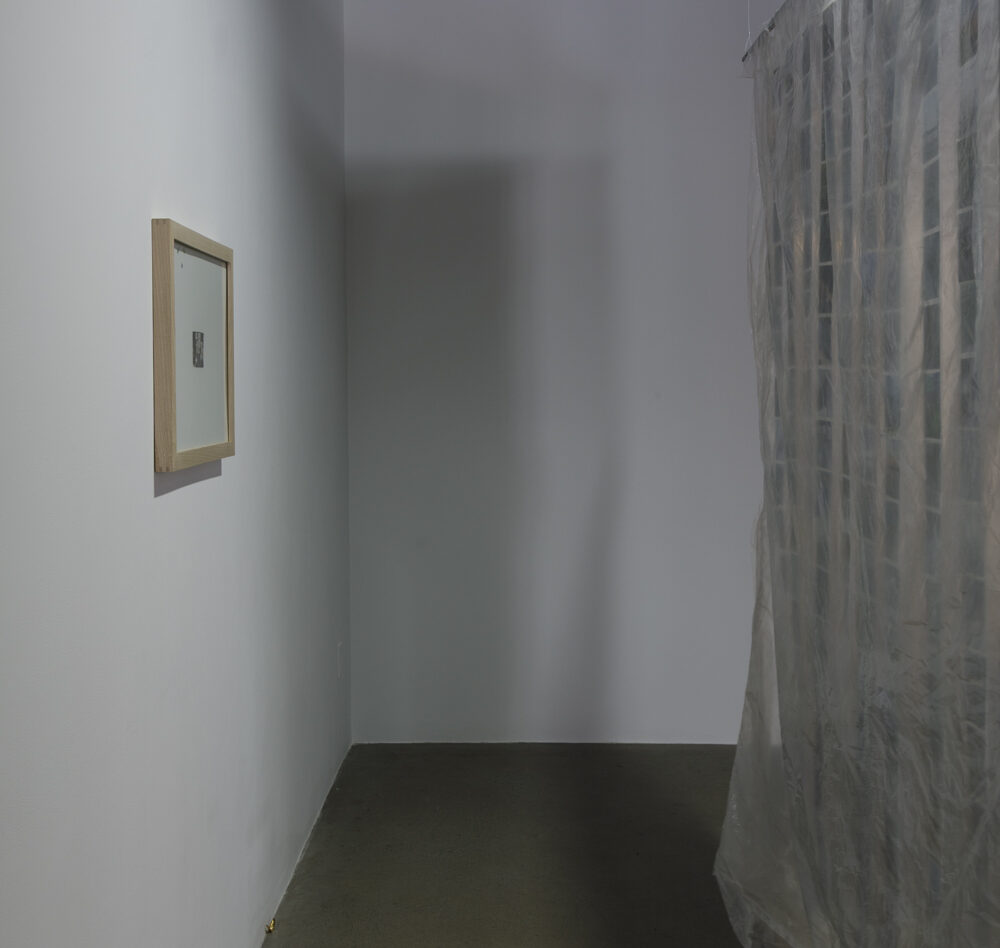
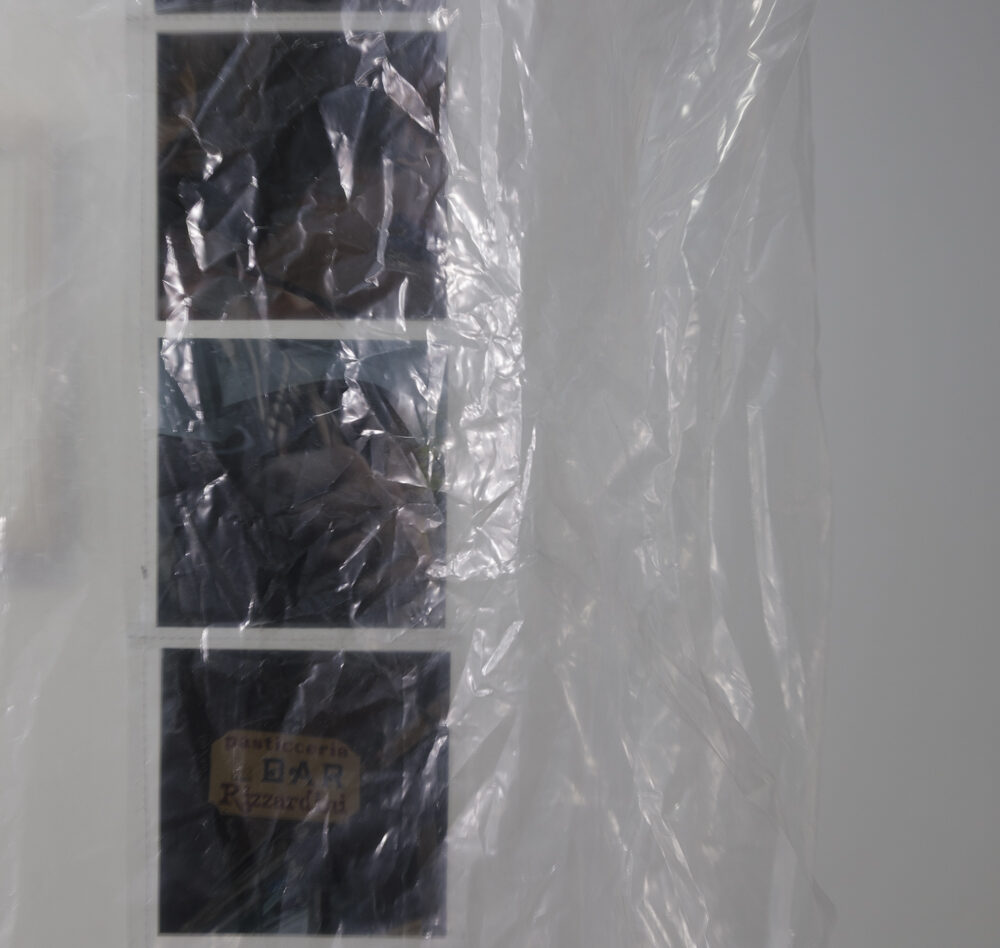
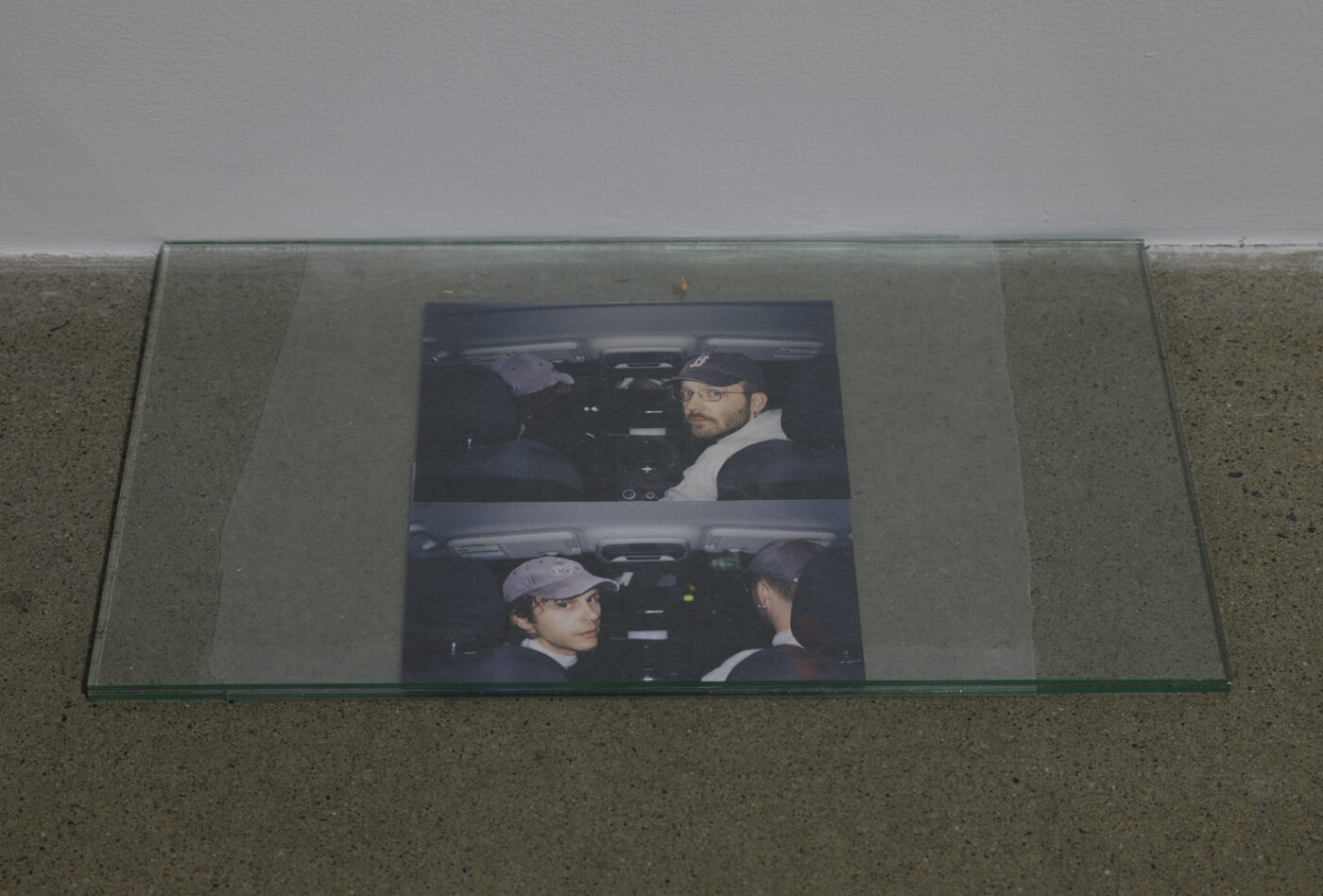
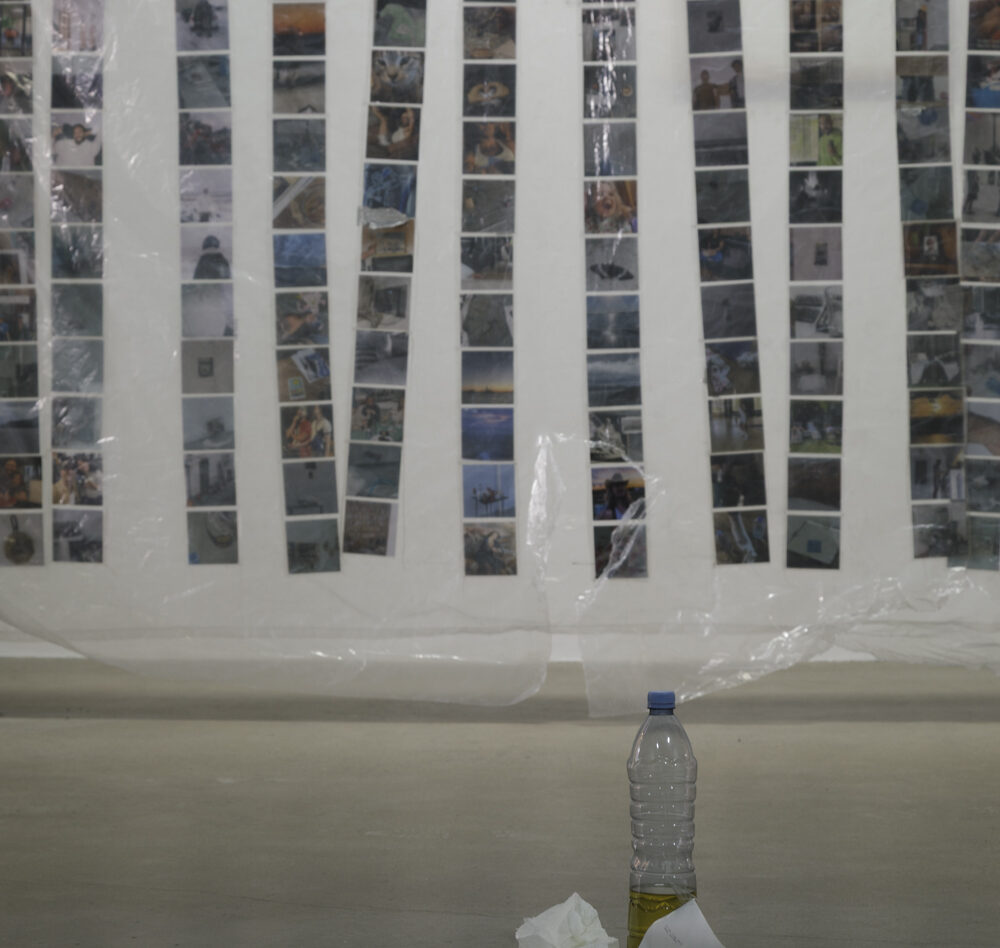
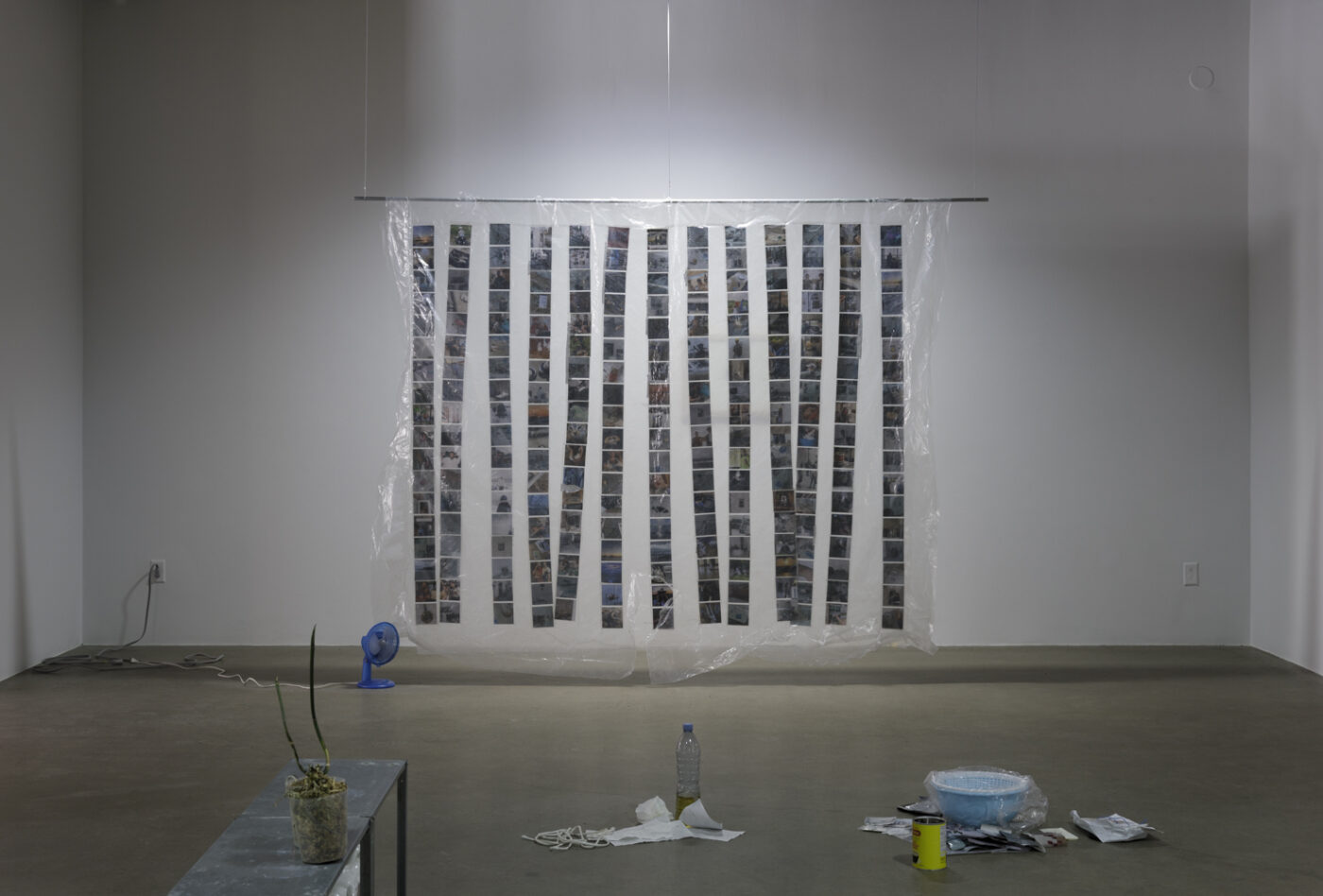
Hamelin’s exhibition is anchored by a large-scale quilt made of photographs stitched together—a nod to queer aesthetics and history, referencing the AIDS Memorial Quilt. However, to Hamelin, his quilt is an embodied wager of hope for the future; by incorporating photographs of those closest to him, he quite literally stitches his community together, asserting that our queer collectivities are building the horizon of better tomorrows. Hamelin’s quilt is emblematic of the affective tension in queer studies that splinter between queer nihilism and queer futurity, asking: Is queerness the domain of the dead or the living?
Ultimately, « Both of us were dreamers, young love in the sun » is a portal imbued with desire, longing, and anti-presence. There are memories here, but, through their shrouded opacity, we lose sense of what’s real, which memories are ours, and which are not.
— Alexander Rondeau
(1) Or do you love me best when I’m a lost footnote somewhere in the annals of vigils?
(2) The bitter taste of emulsion and the agitation of looking down the barrel of a lens.
[1] Spice Girls, Viva Forever, 1997.
[2] E. Freeman, Time Binds: Queer Temporalities, Queer Histories. Durham and London: Duke University Press, 2010, p. xiii.
Photos : Document original
A crowdfunding campaign for emerging artists.