Anne-Renée Hotte
Les rencontres ne savent pas qu’elles ont lieu
09.11–10.24.2026
Current

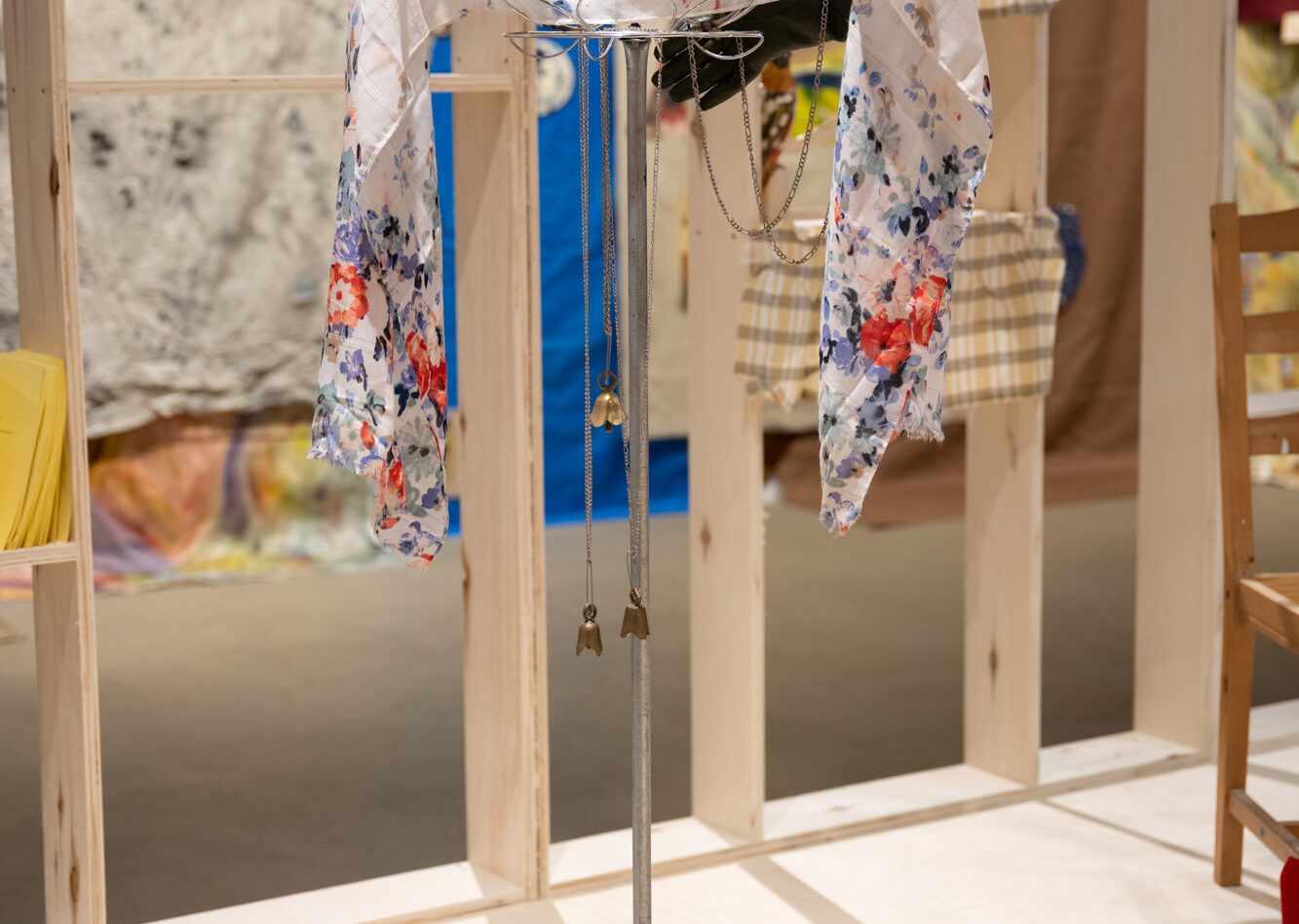
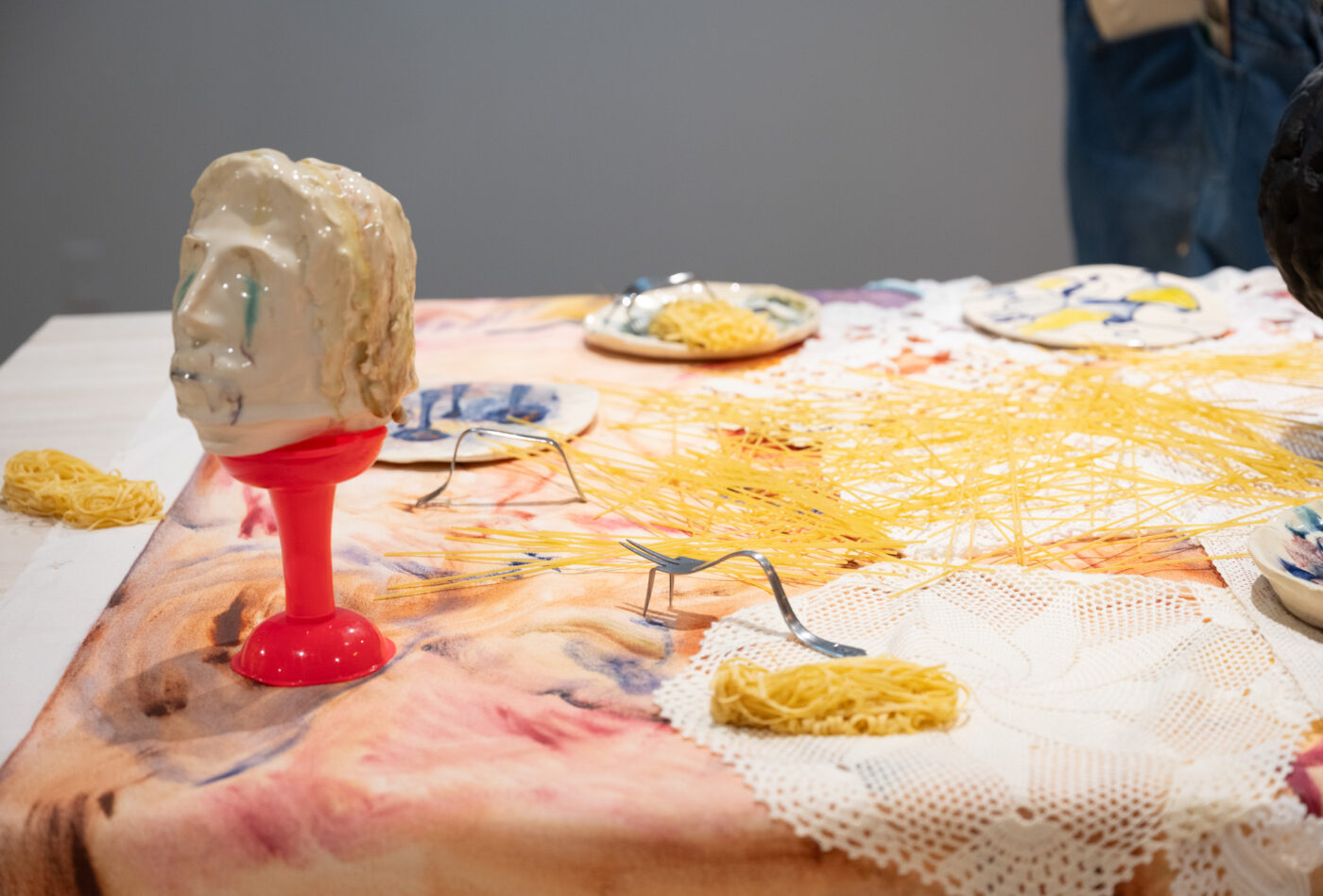
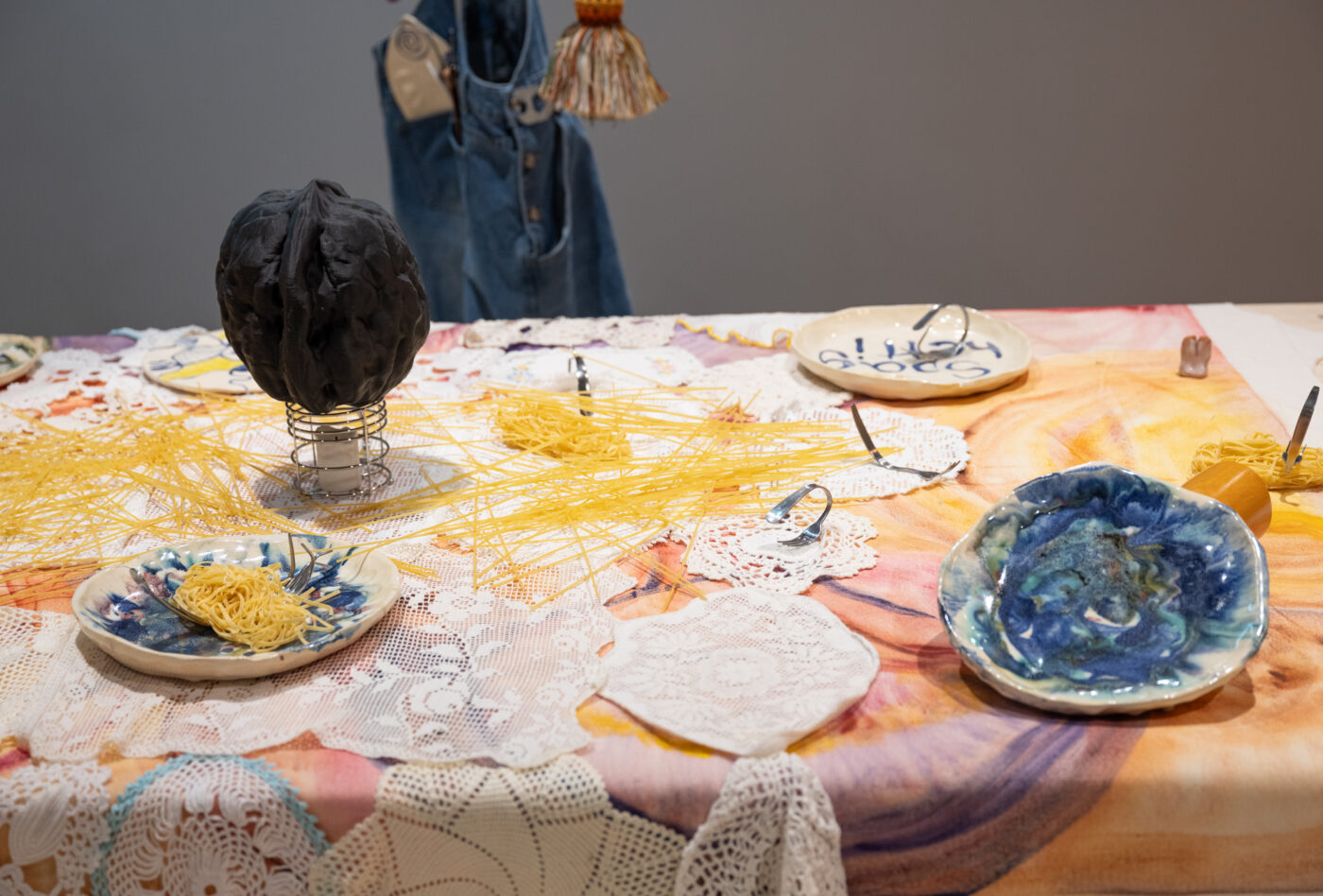
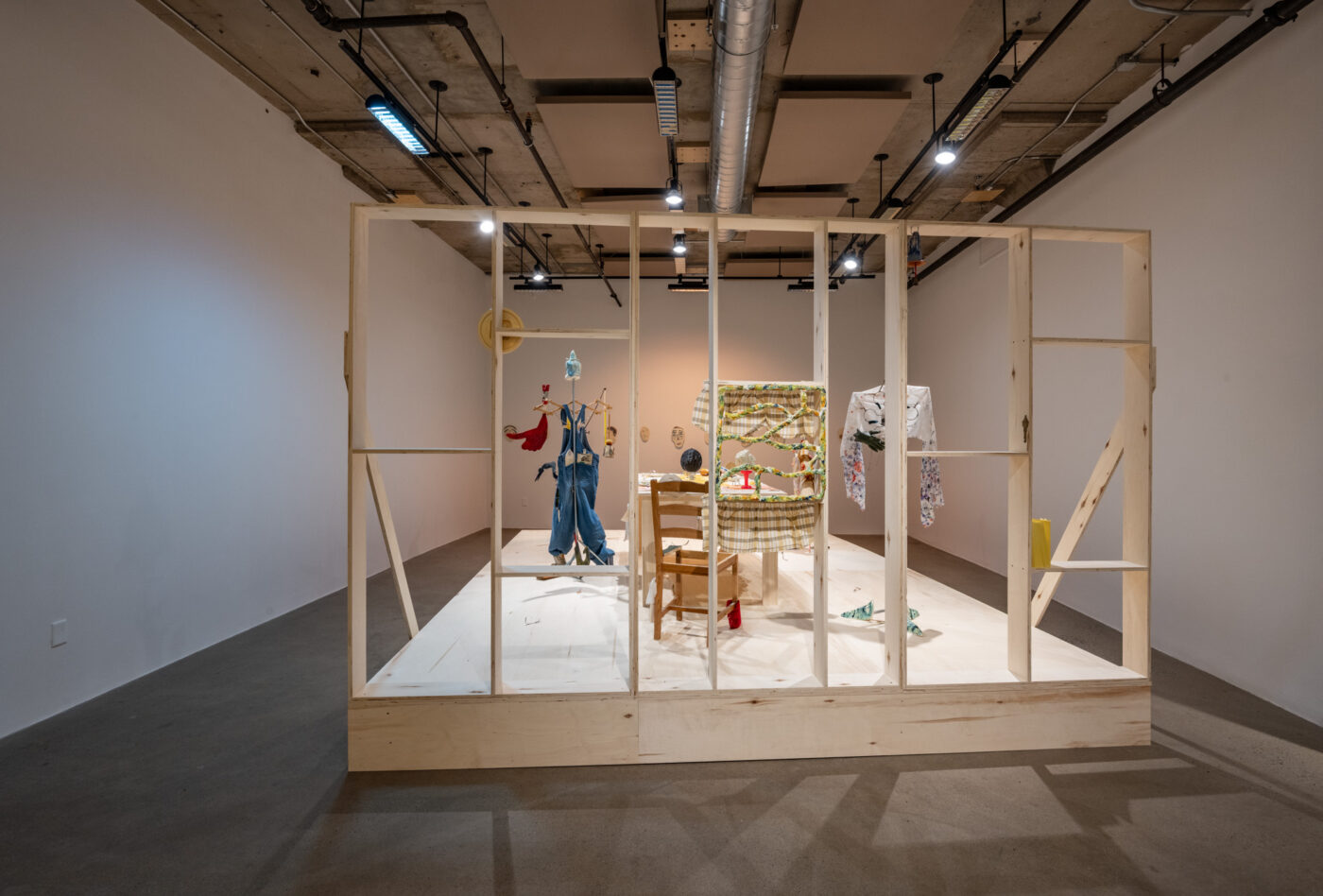
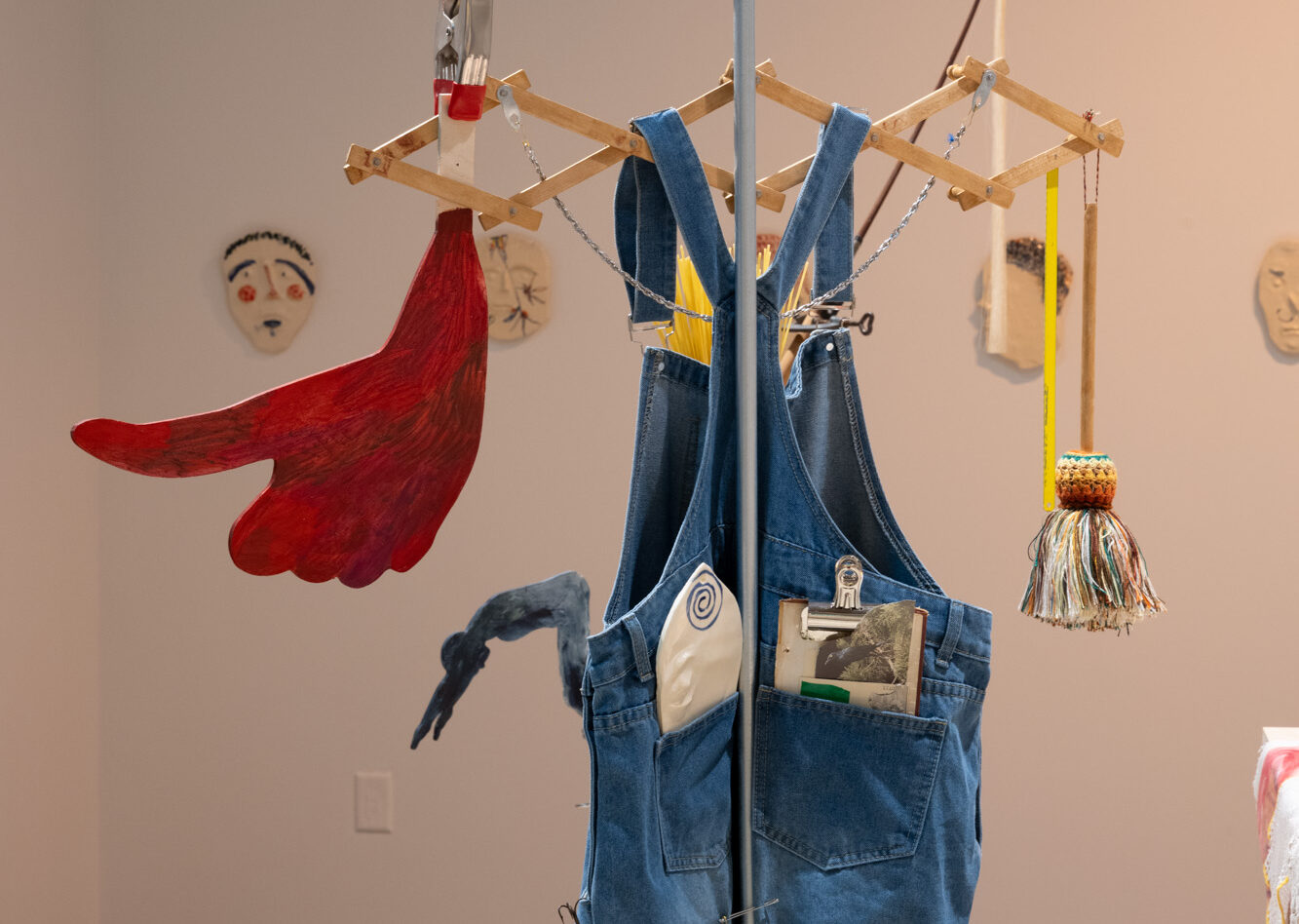
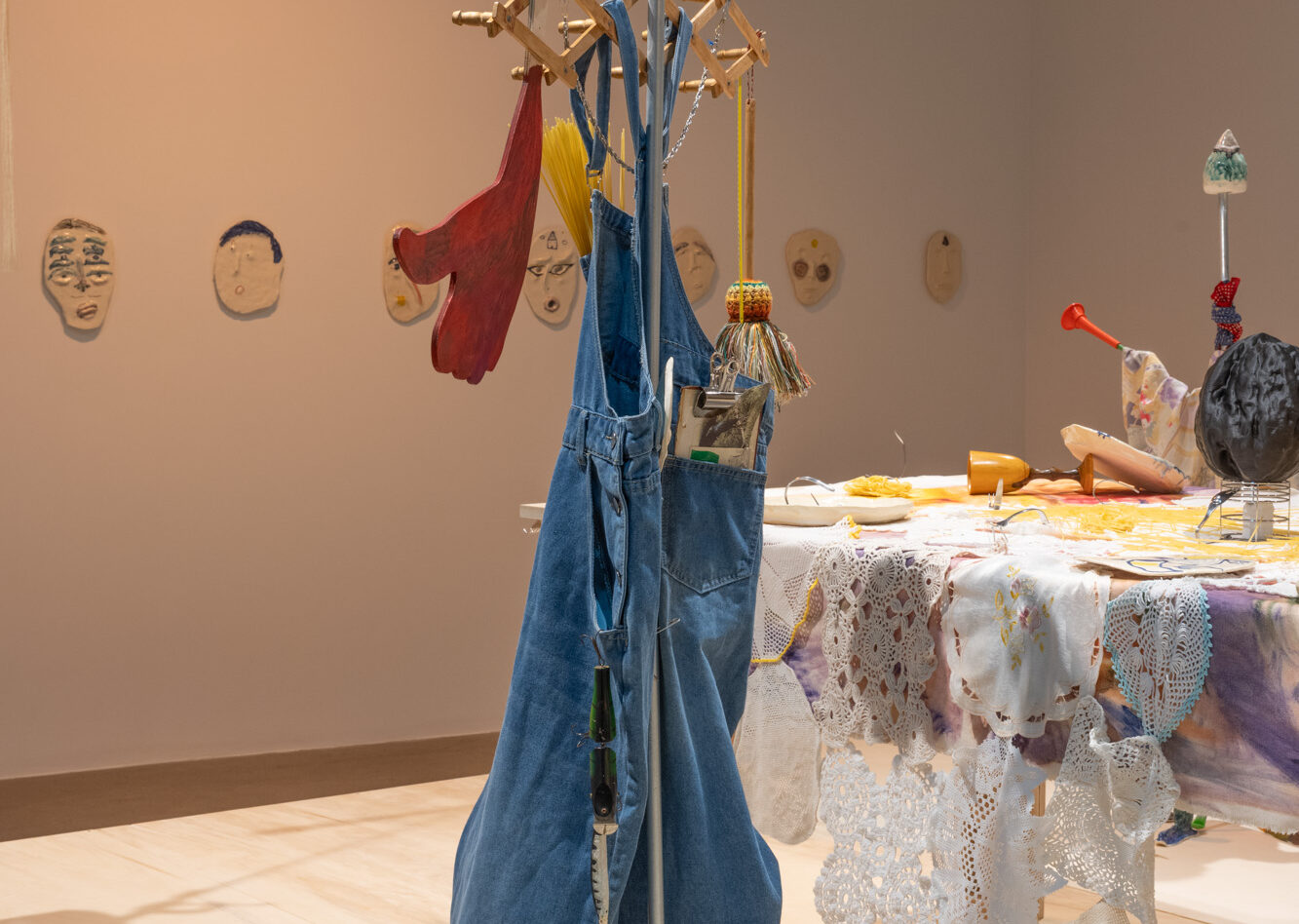
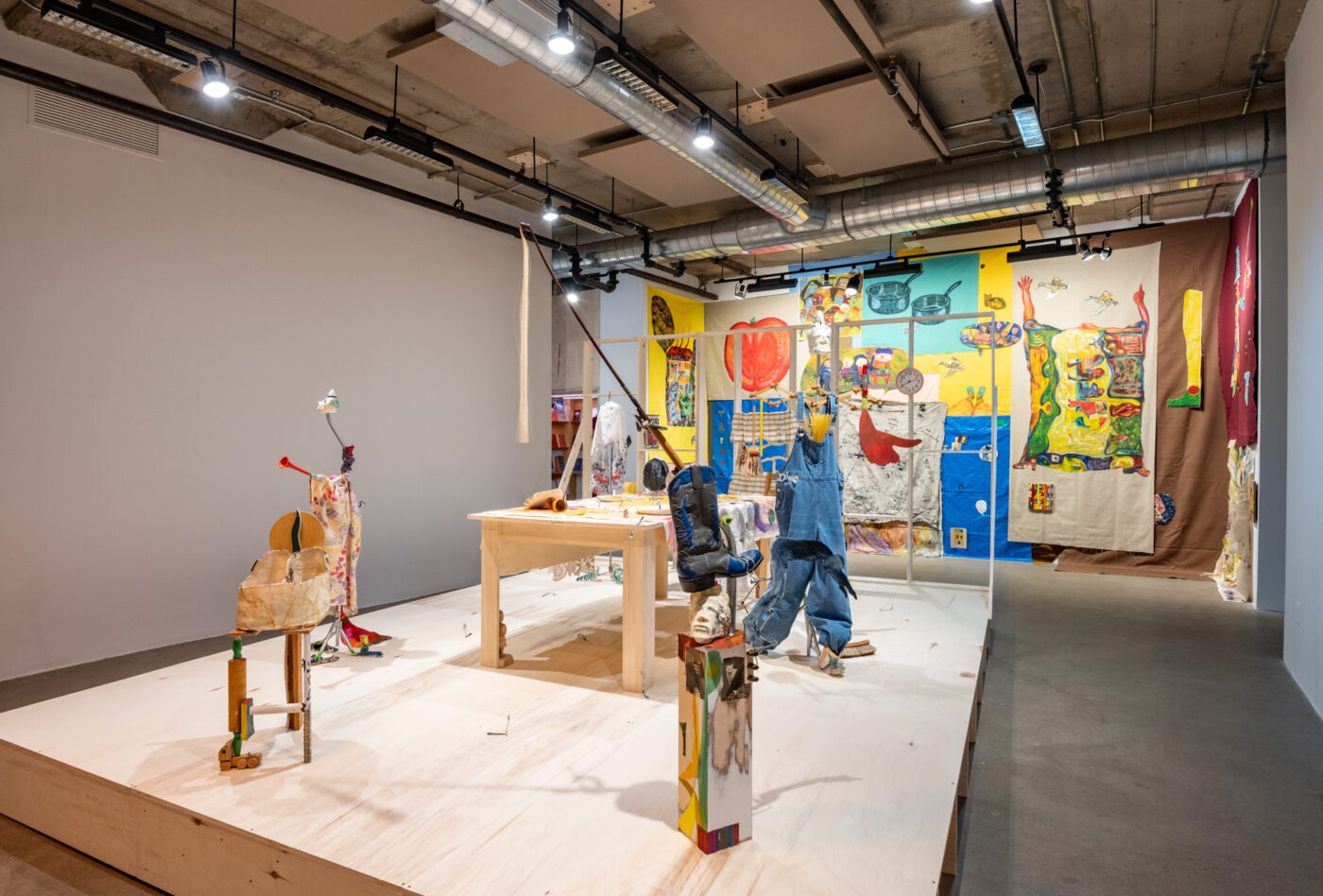
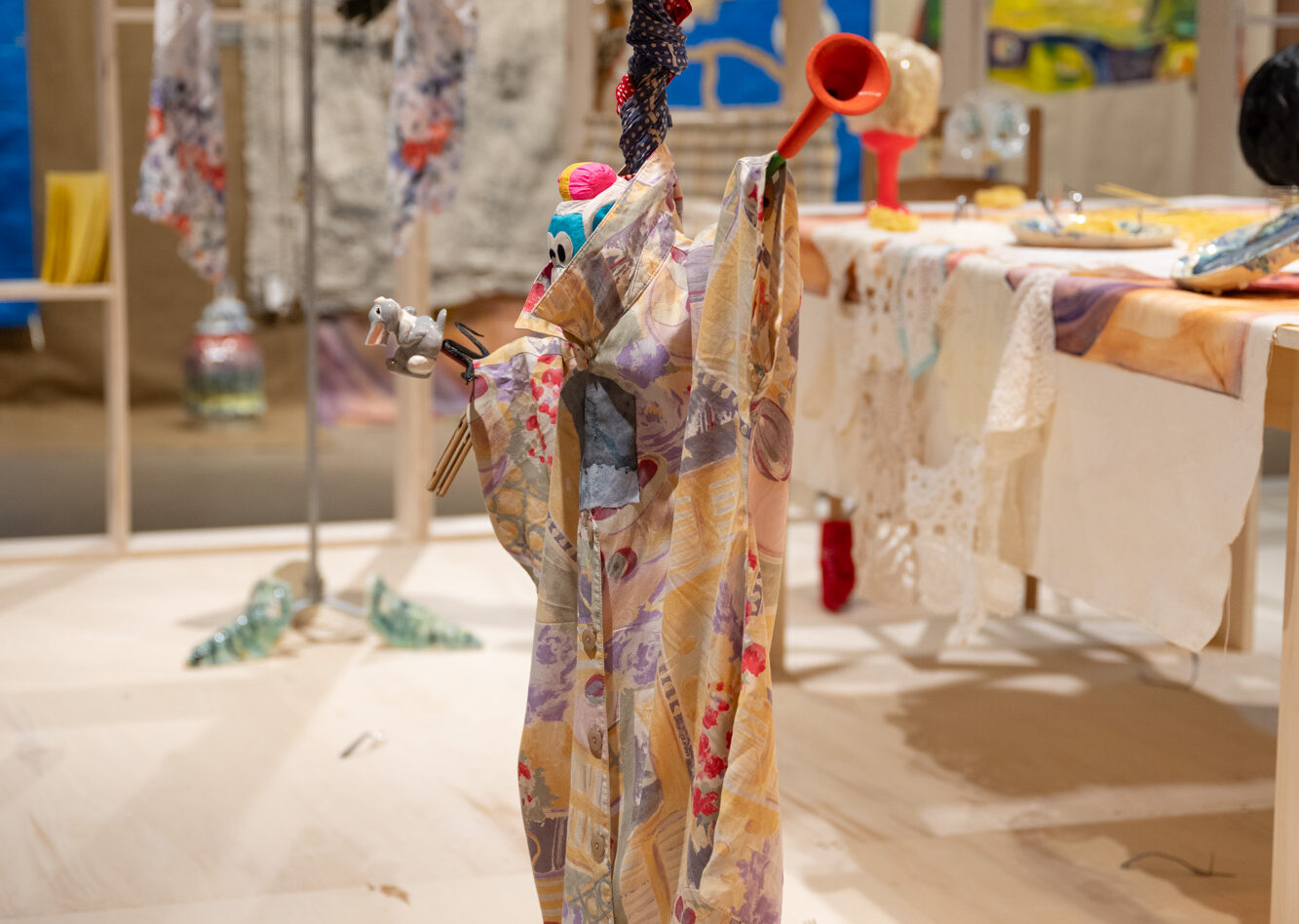
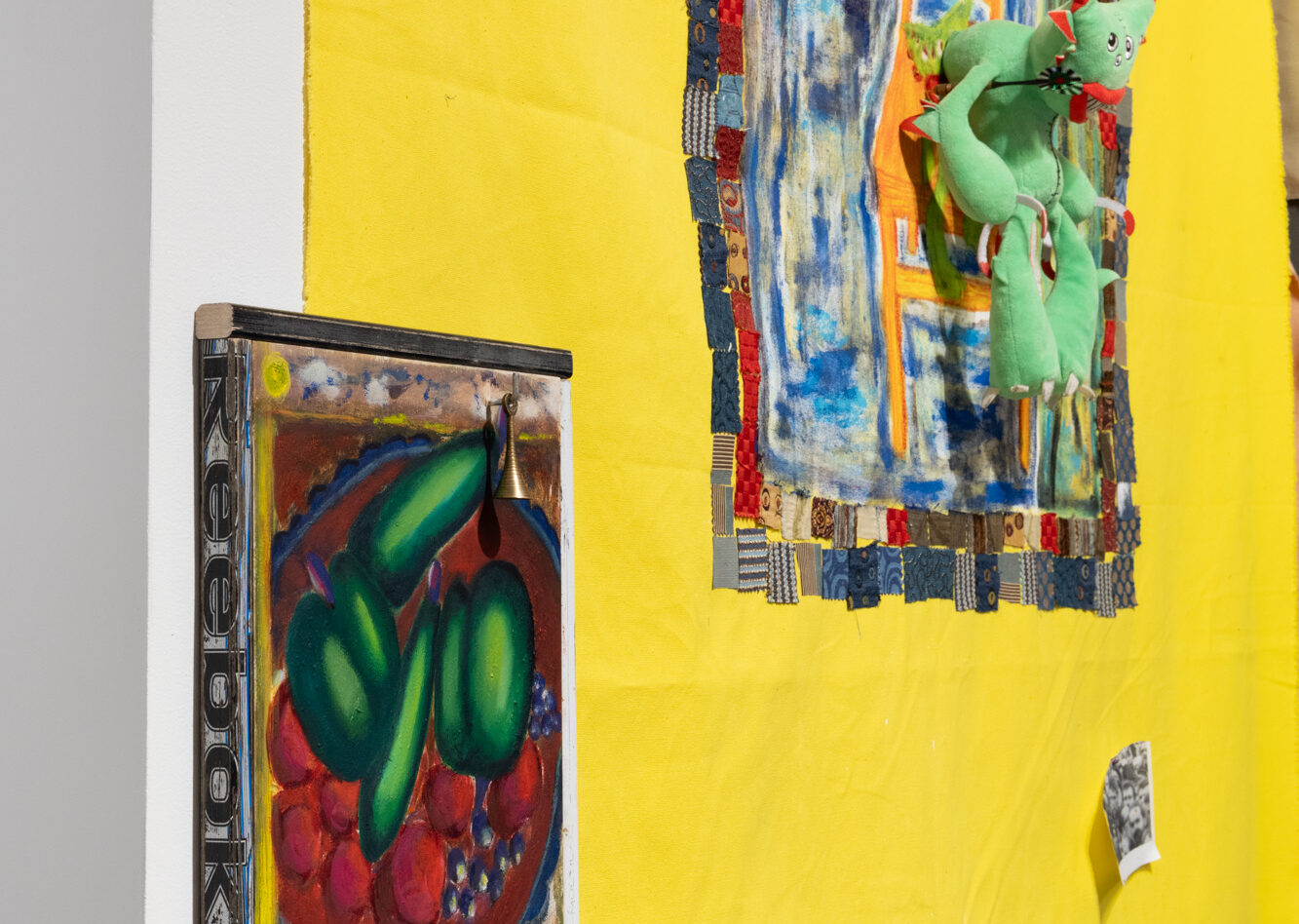
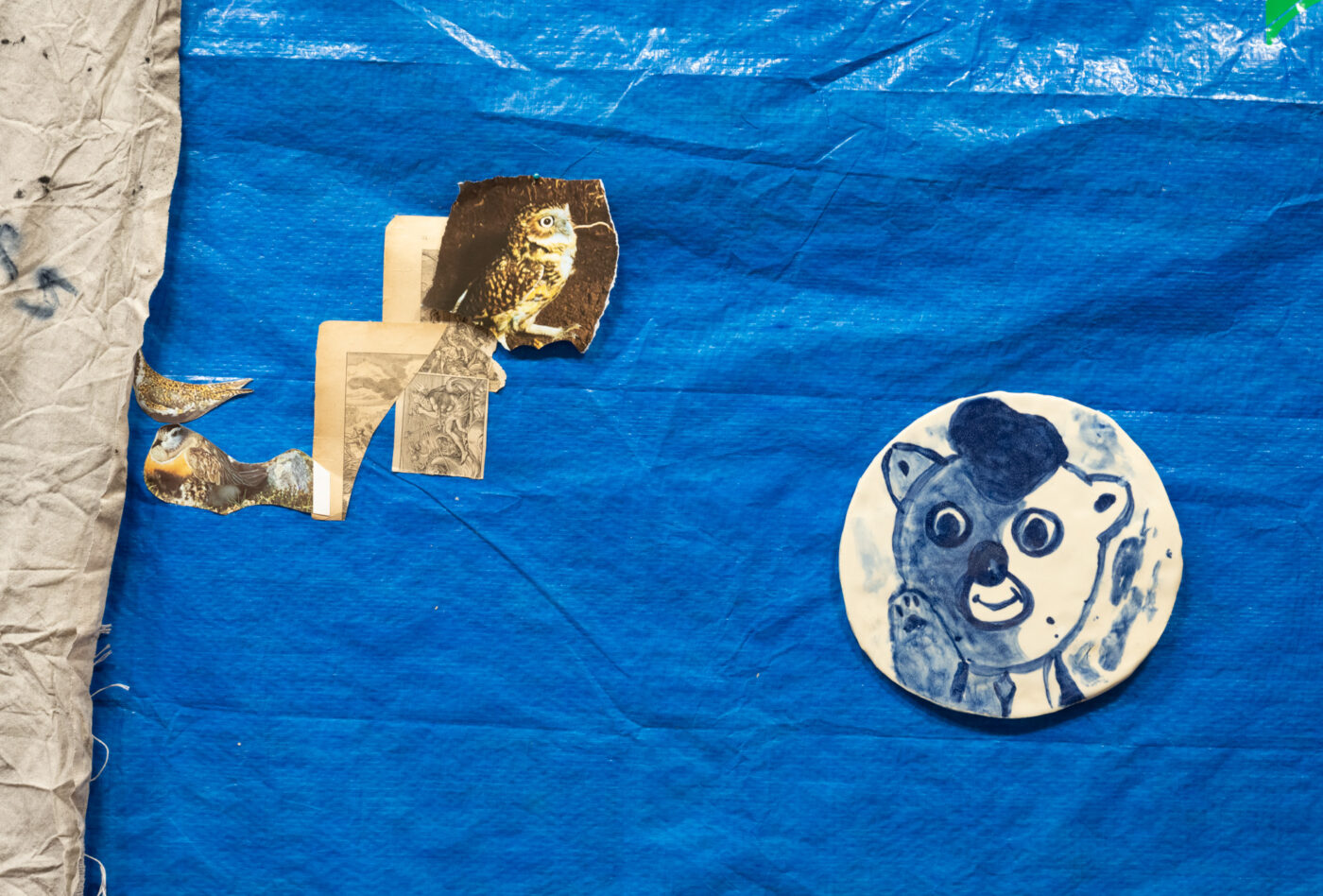
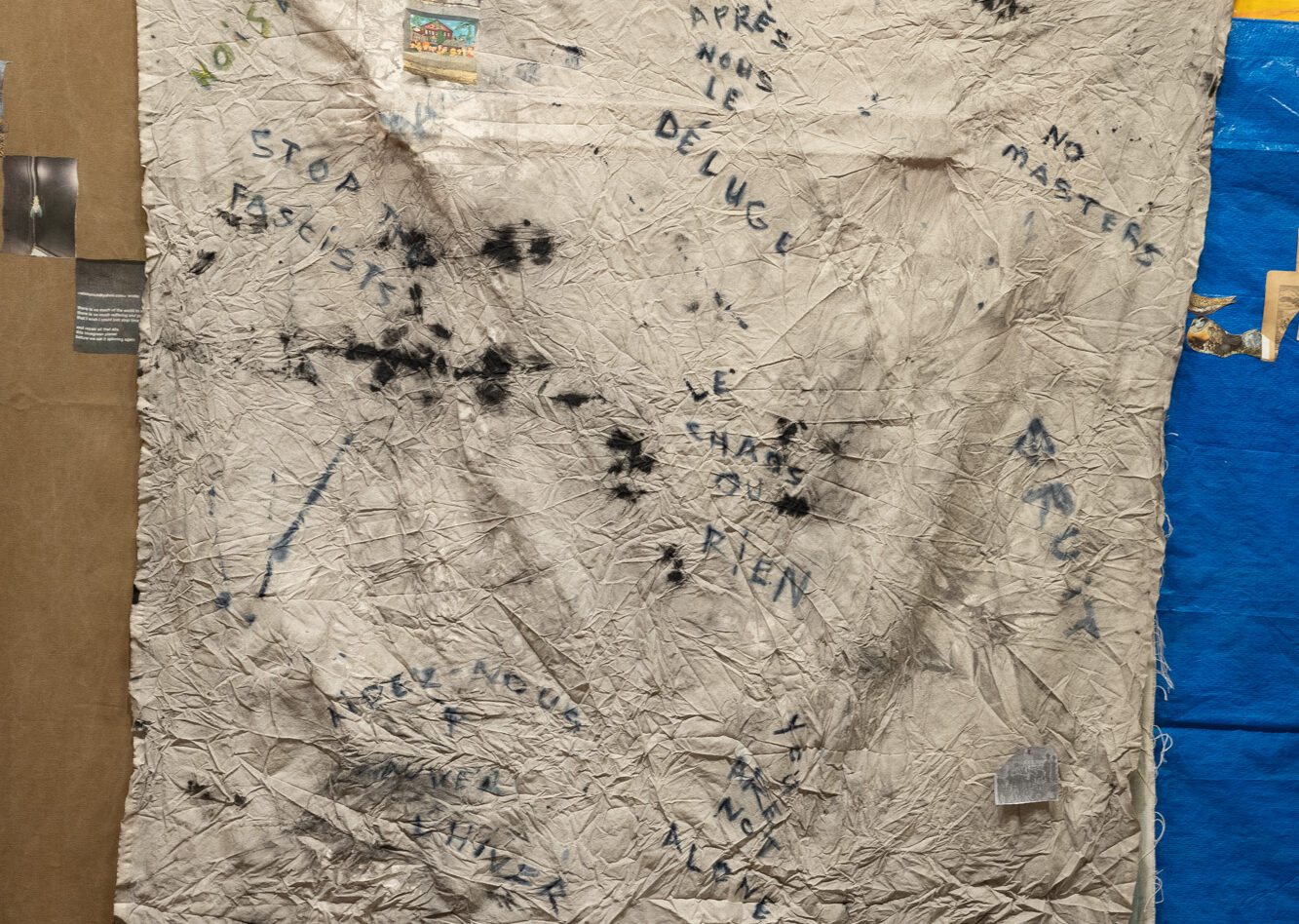
In Charivari, Nicolas Ranellucci invites us into a floating space suspended between two worlds. As clandestine witnesses, we are welcome to delve into intimate and mysterious realms. Relics, sculptures, and miniatures speak to us and dazzle us with their colours. Amidst the anguish and wonder, we must simply join the cacophony and what resists reality.
A crowd approaches the window. From it, the sound of ringing bells and banging pans can be heard. The atmosphere is turbulent yet remains astonishingly cadenced. This is how the crowd arrives—extravagantly. The clamoring can be heard far and wide and the throng emits its own light. The party is at its peak, insistent, it moves between the roots and the sky. It enchants like a child and is raucous in the melee. The crowd continues to advance, its joy resonating with even greater strength. The bedlam shatters the nocturnal quiet while the laughter and clamor erupt from everywhere. There is a quiver; the ground makes murmuring noise. The threat is quiet and the fun is loud.
At the beginning of the beginning, the din is just a whisper as it approaches a family at the dinner table. A young boy wears high heeled shoes to draw attention to himself. A young girl makes sculptures out of bread. The mother wears rhinestones and crocodile-shaped shoes. The father straightens his posture like a fallen king, defending the meal he’s just prepared. But his family won’t listen. A party is in the works, the sound is echoing through the room. The children try to hear what’s coming from outside, just beyond the wall. They open their ears as the commotion grows louder and louder. The mother encourages them to question the status quo and stands by them as the father bemoans their curiosity for the outside world. He laments the shadows gathering around the house and says one must be sad to risk life or death. The mother insists, it’s better to join the hoi polloi, it’s better to look love in the eye.
The father remains indifferent to the noise of the world and falls into the rotting tree. A little family of chickadees flies over the dampened earth, and a nestling dies in the silt. Outside, as the sun disappears, the noise transforms itself, the tumult rises to the head and silhouettes dance among the crackling stars. Tongues flee their bodies, people shout, sing, fall apart on the inside and shriek as loud as the birds, they pour themselves into the wind and shake above the fireflies. We must see and hear the storms of the century, what defies tangibility and what incites us to revolt.
Sayaka Araniva-Yanez
Multidisciplinary Latinx artist originally from El Salvador and based in Tio’tia:ke/Montréal, Sayaka has been active for several years in the fields of literature and contemporary art. A former bookseller and co-manager at L’Euguélionne, a feminist bookstore and solidarity cooperative, they developed expertise there in management, curation, and the organization of artistic and political events. A critic for Estuaire and Liberté, Sayaka is deeply committed to the local artistic communities. Author of the poetry collection Je regarde de la porno quand je suis triste (Triptyque, 2024), winner of the Prix des libraires du Québec 2025, Sayaka explores through their writing themes related to the body, the carnivalesque, and the sacred.
A crowdfunding campaign for emerging artists.
