Émile Riopel
S’il le faut, je me réduirai en cendres pour être sûr que le vent m’emporte
09.11–10.24.2026
Current
Artist
Nathalie Caron
Tracking shot. The entire camera setup can move—handheld, on a dolly, by car, boat, helicopter, or plane; the camera travels.
*Panoramique sur le 7ième art*, p. 91
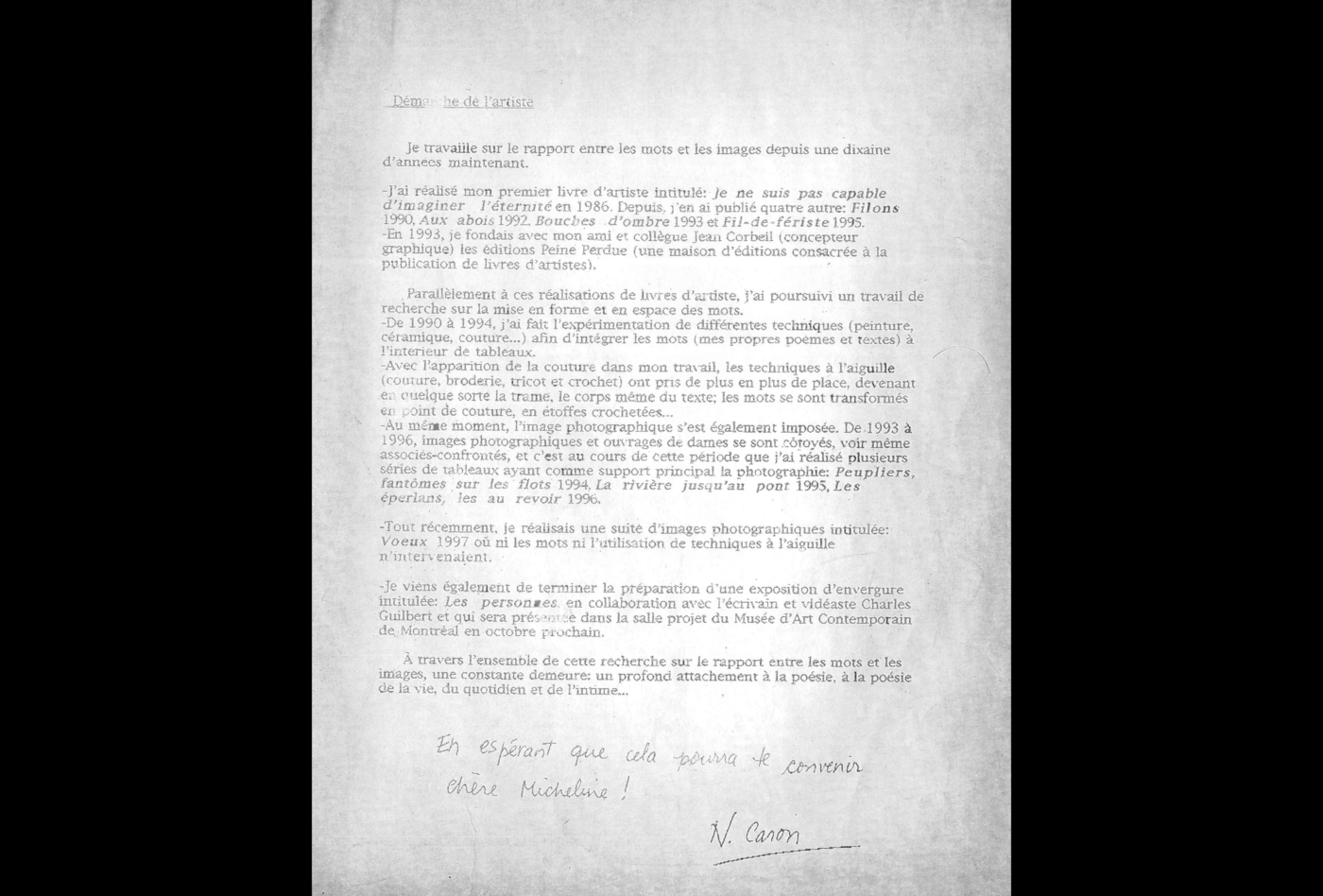
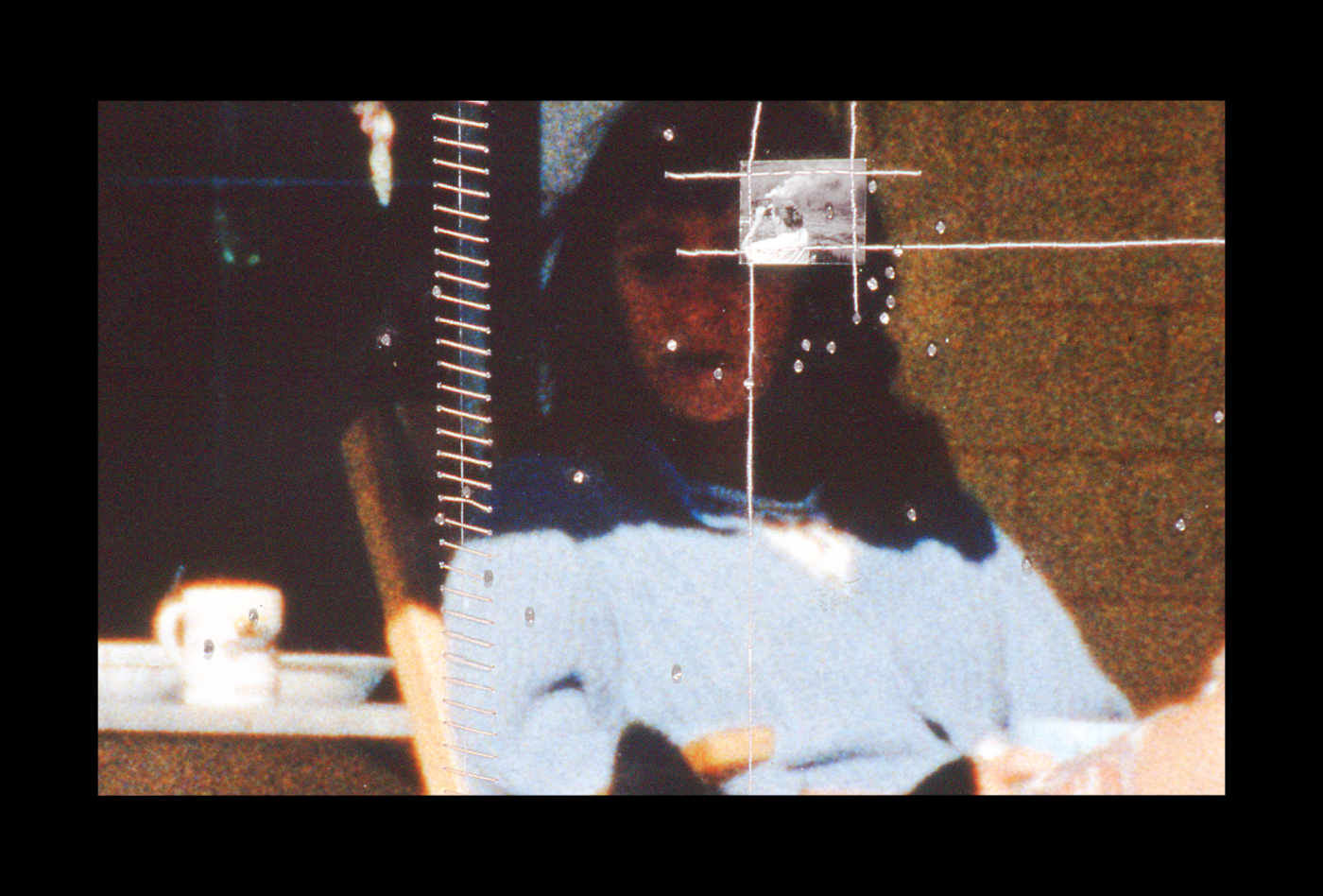
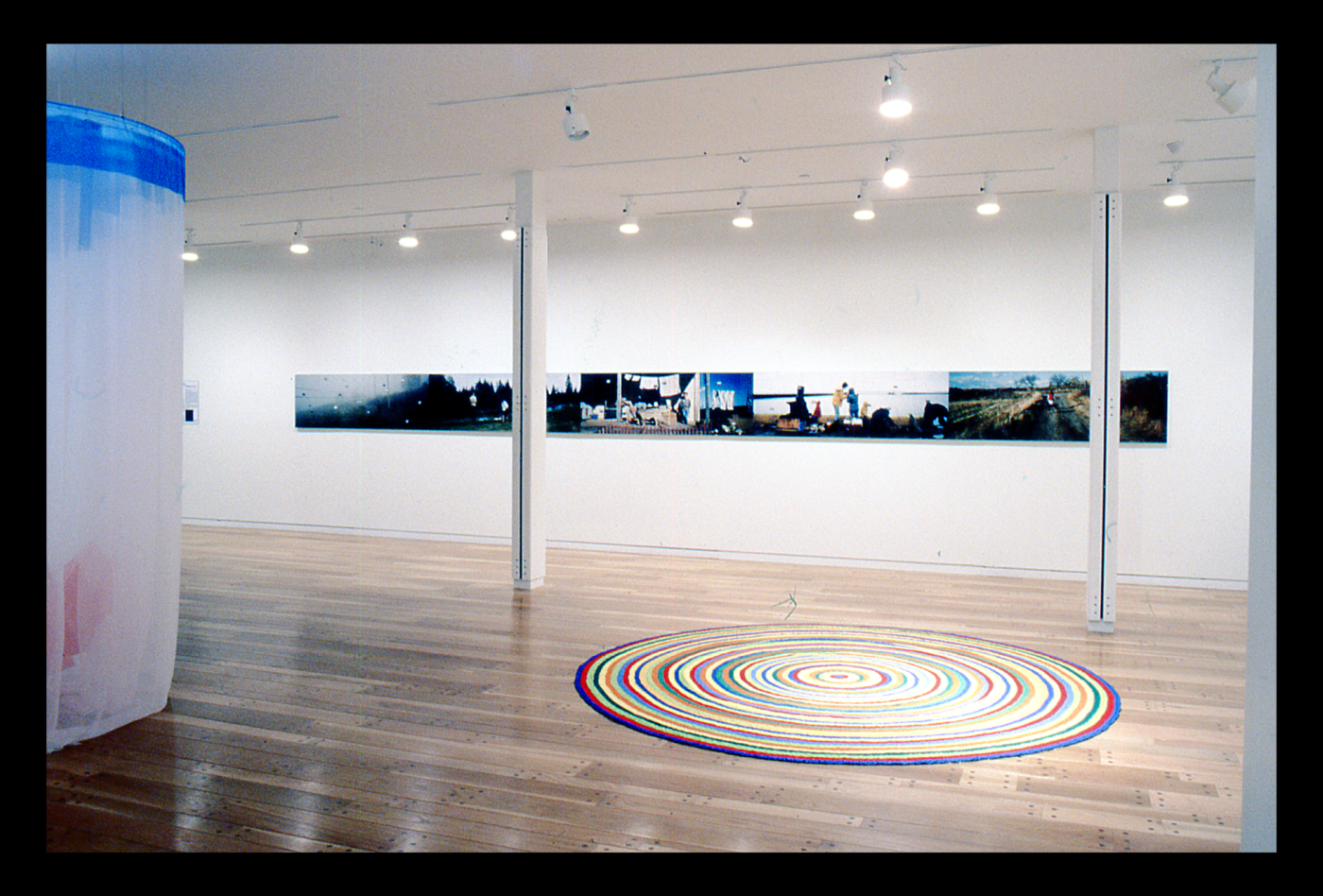
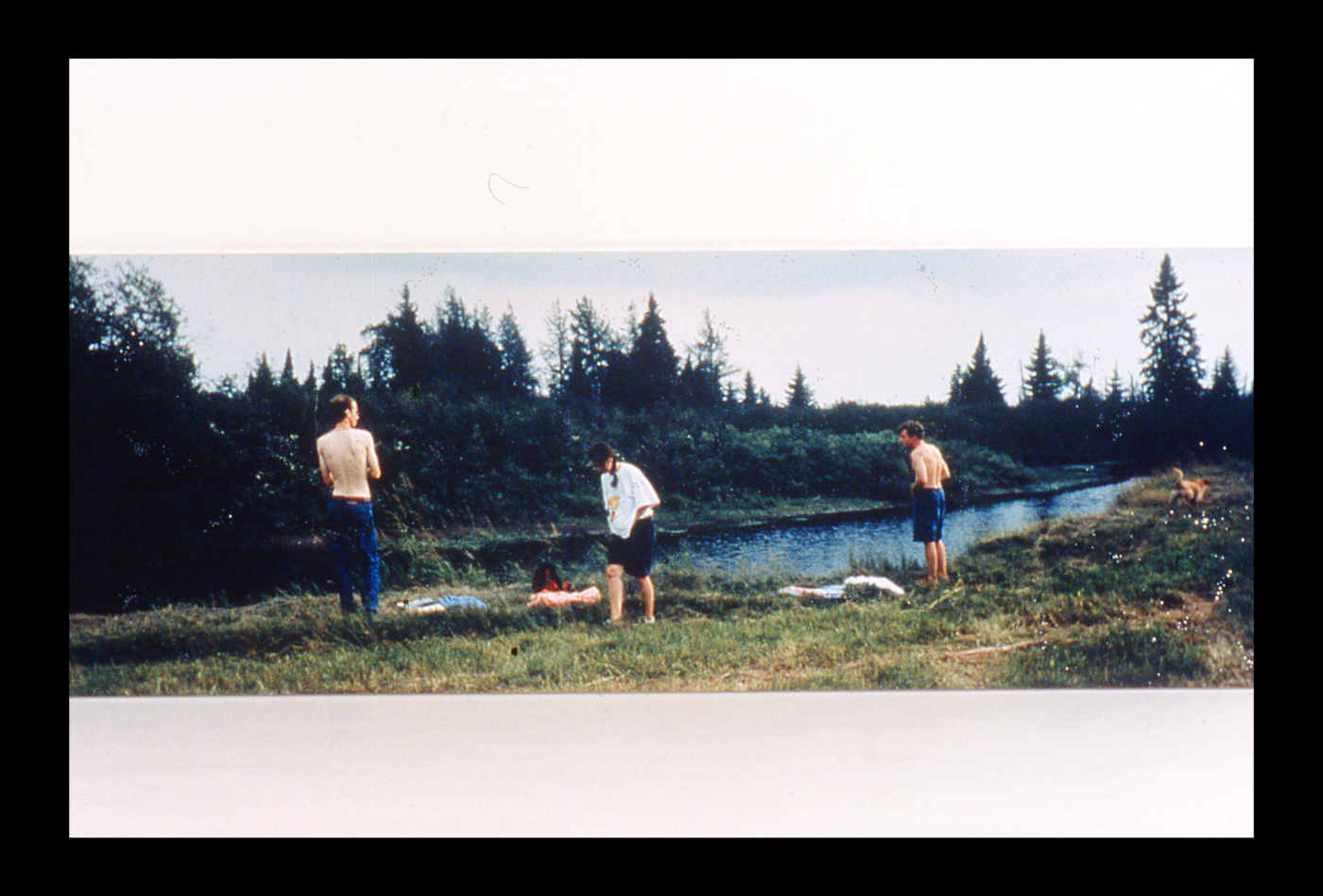
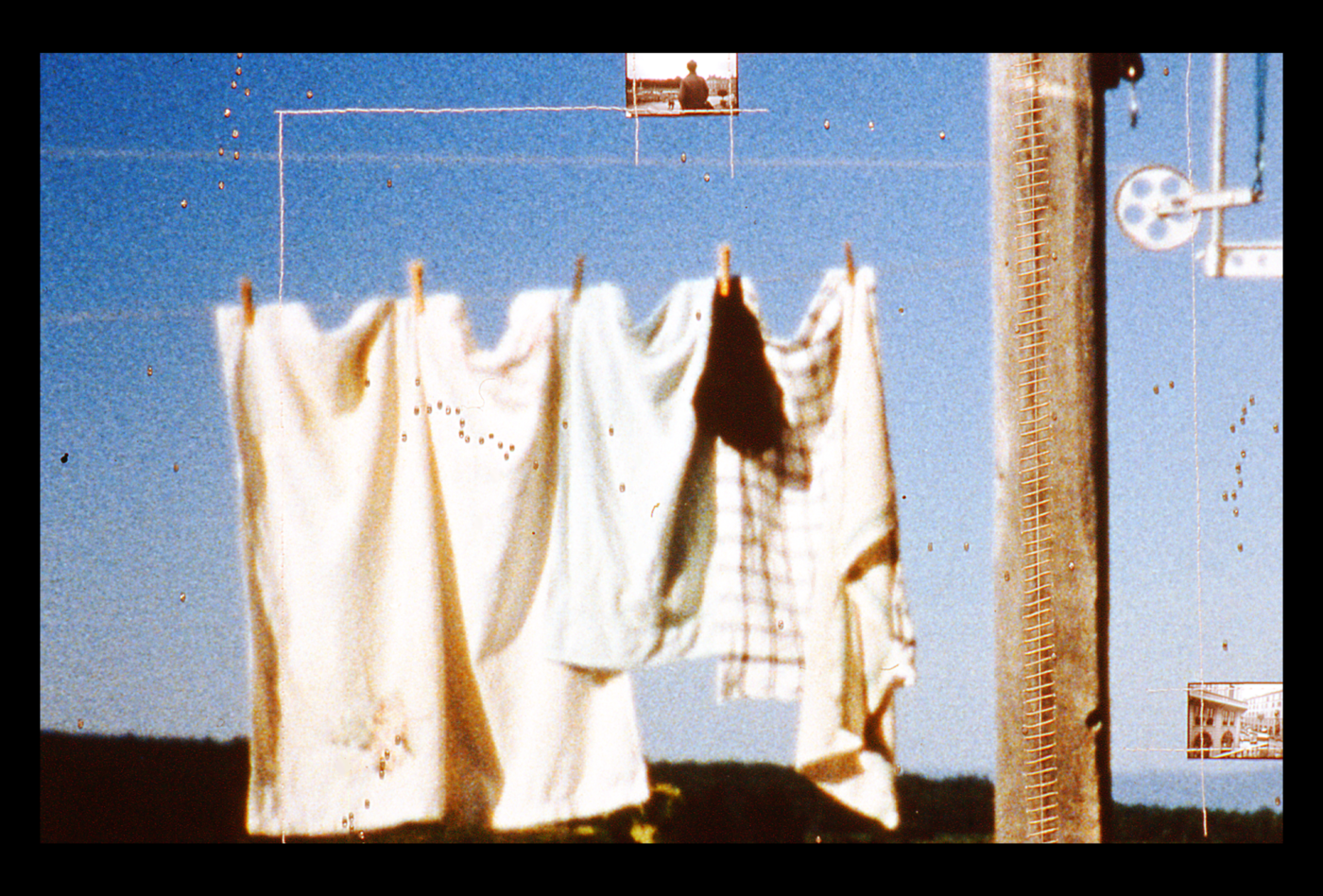
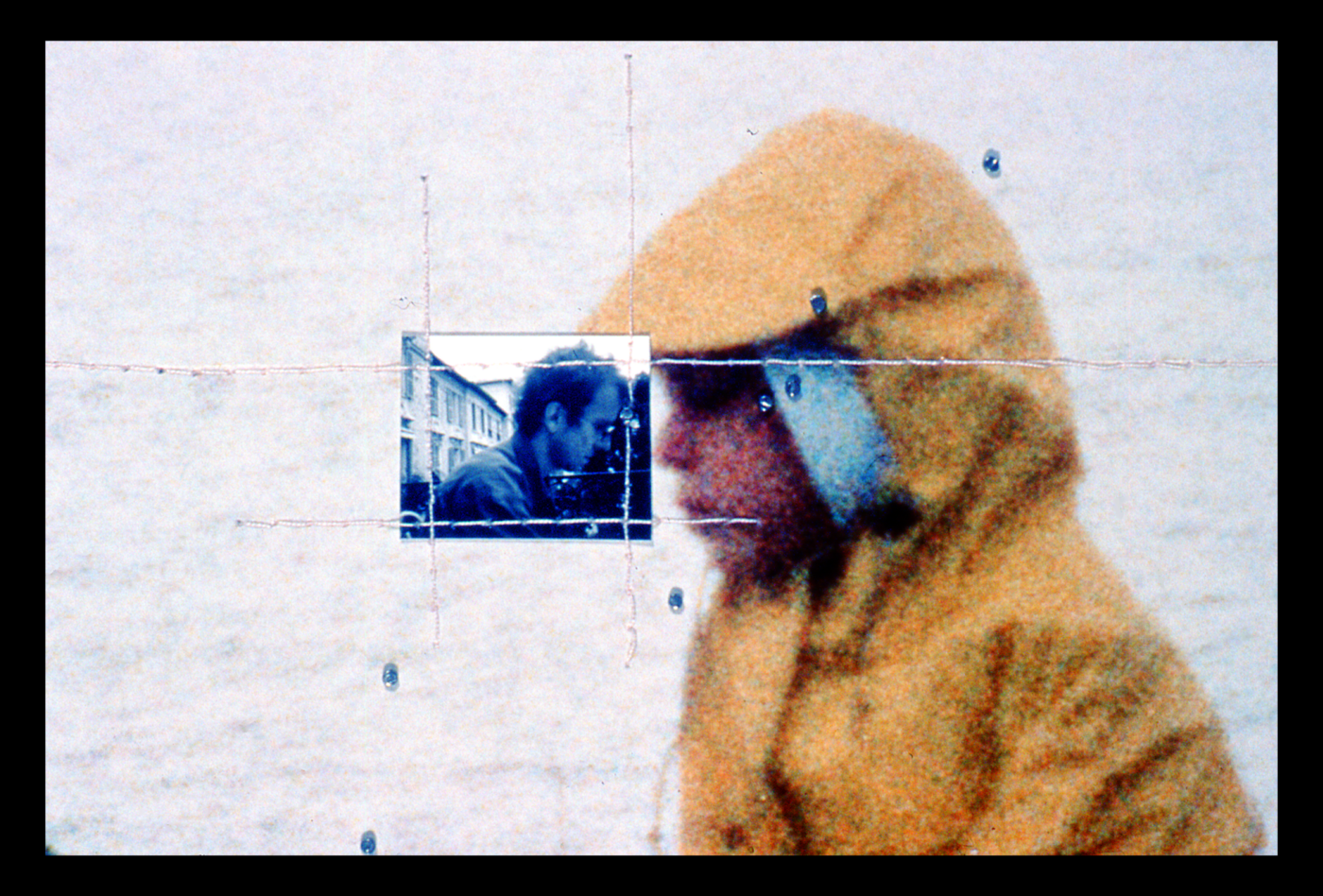
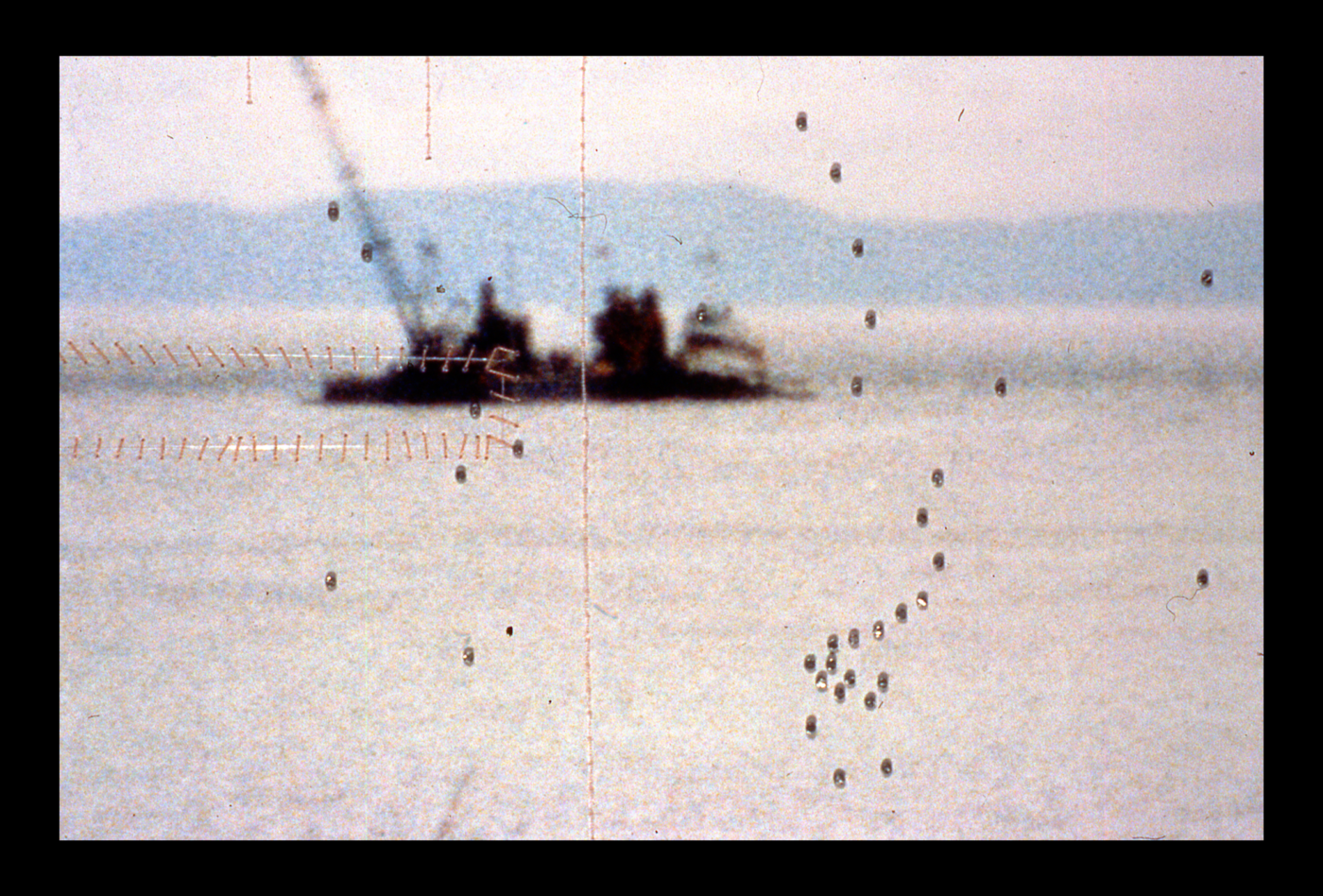
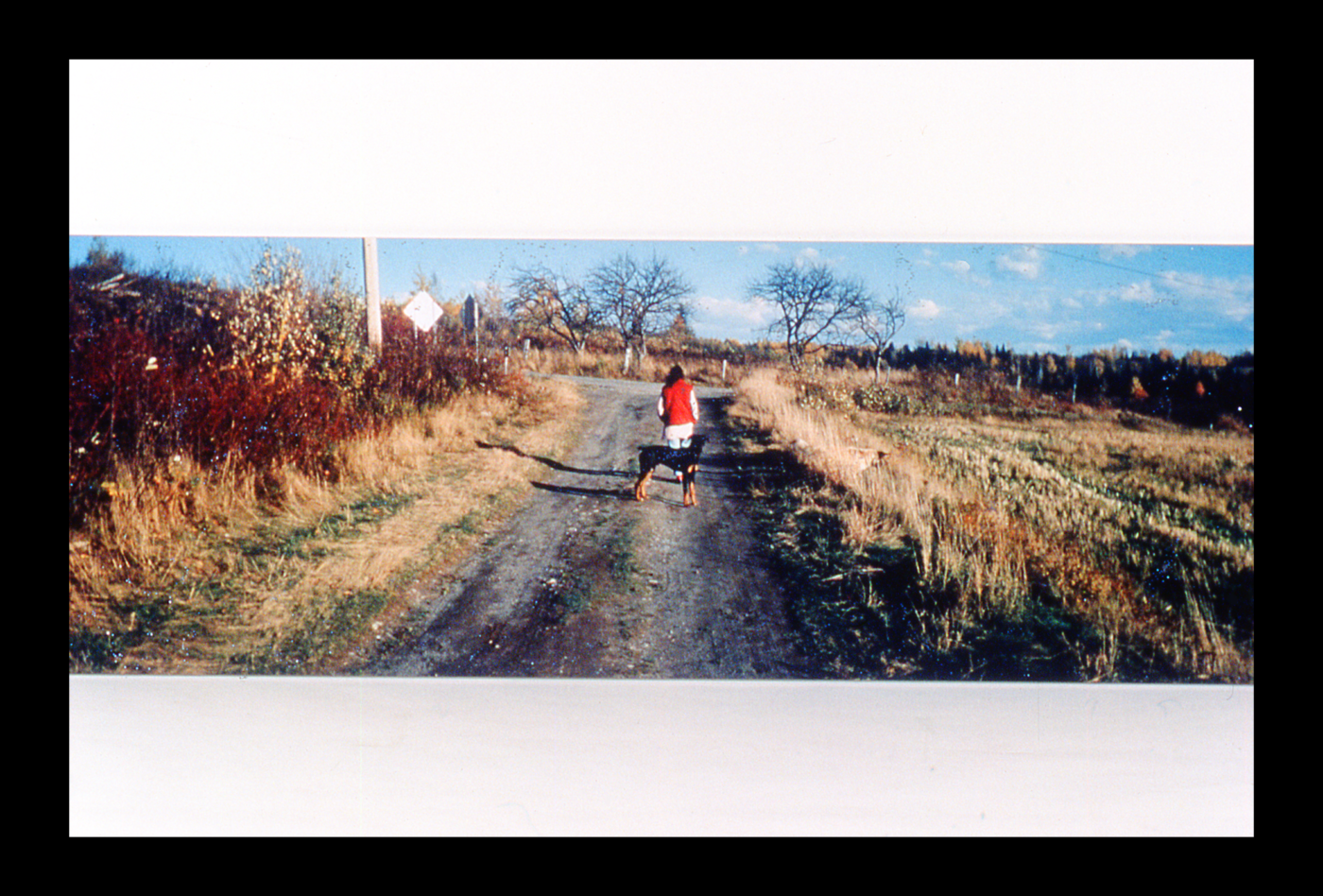
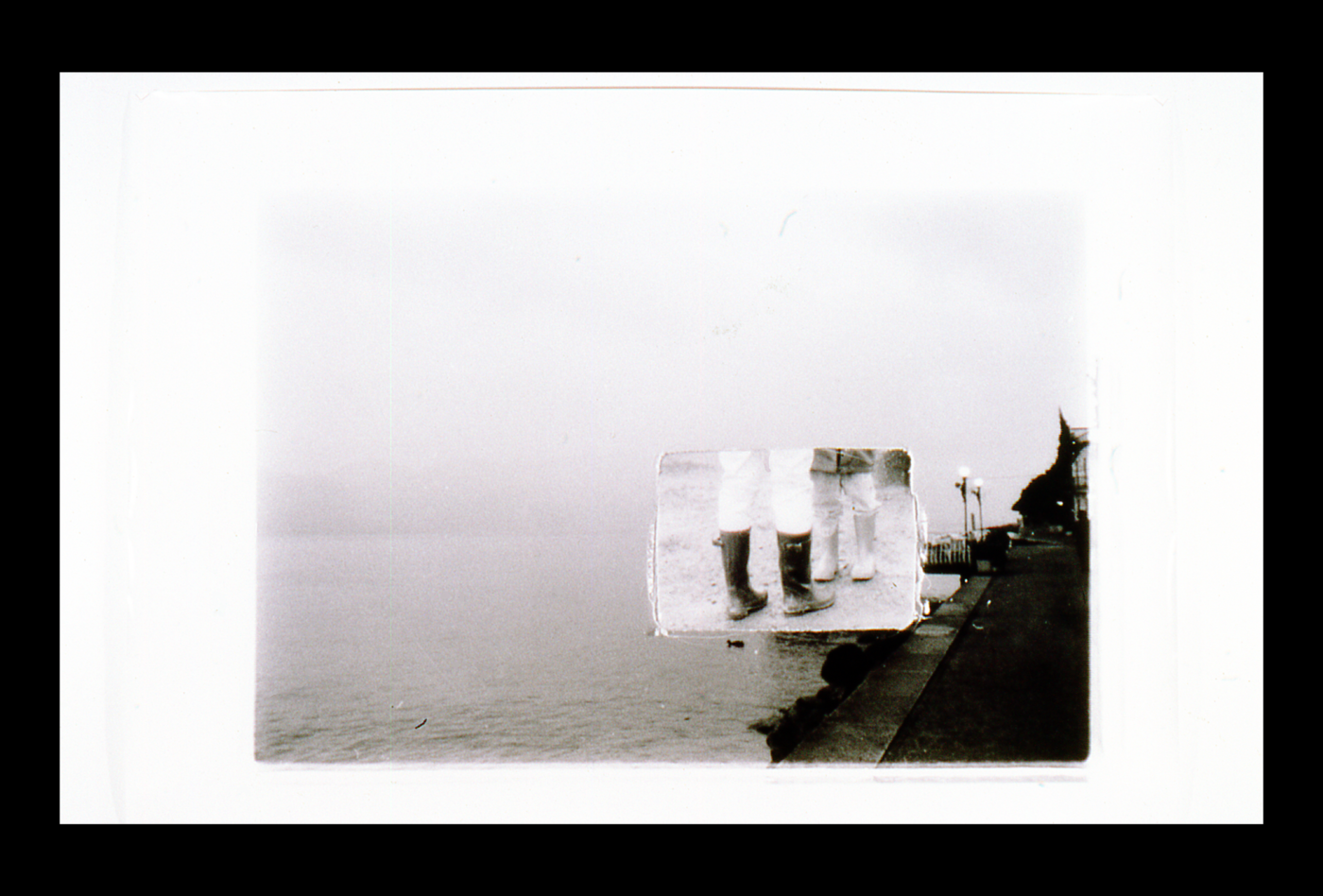
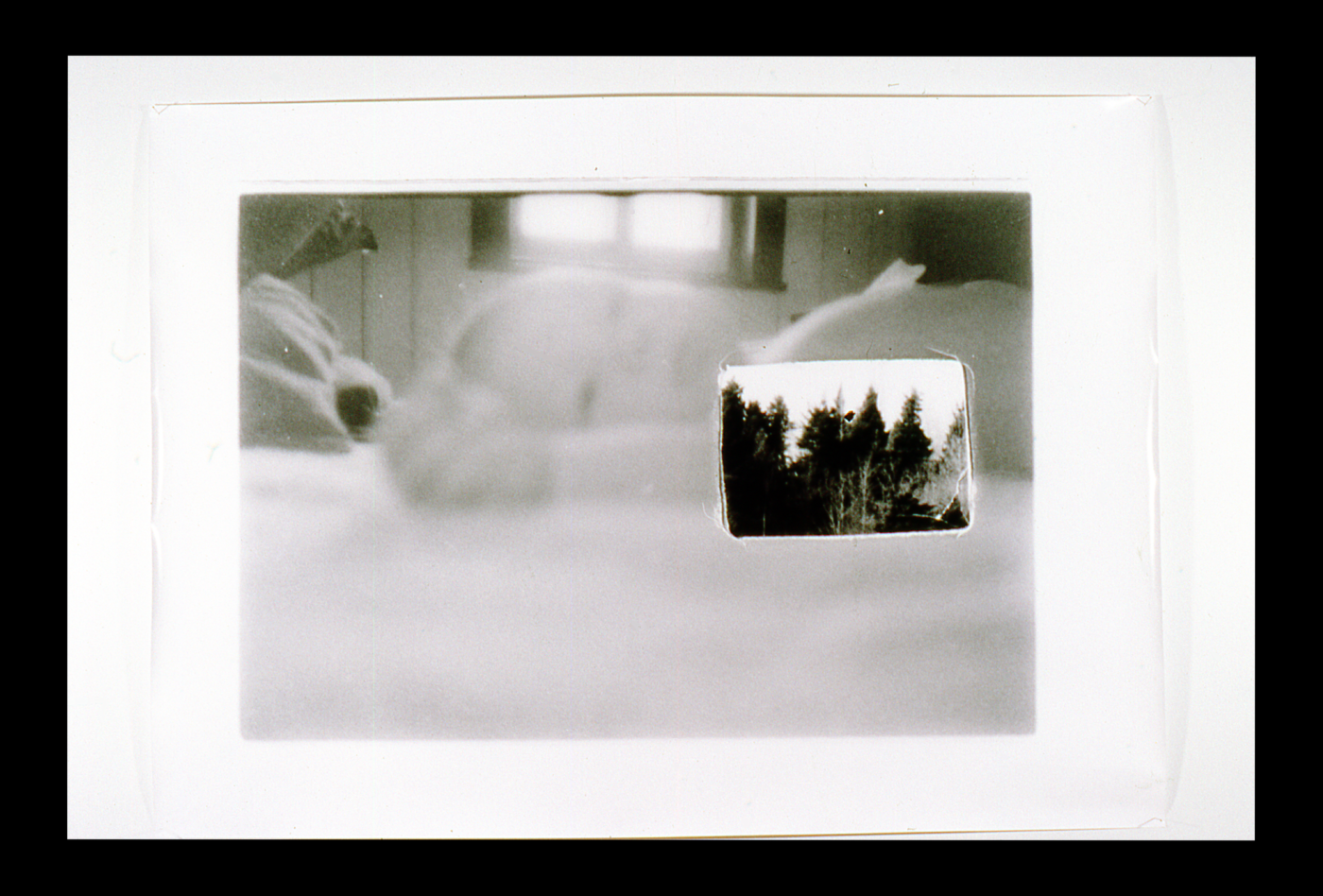
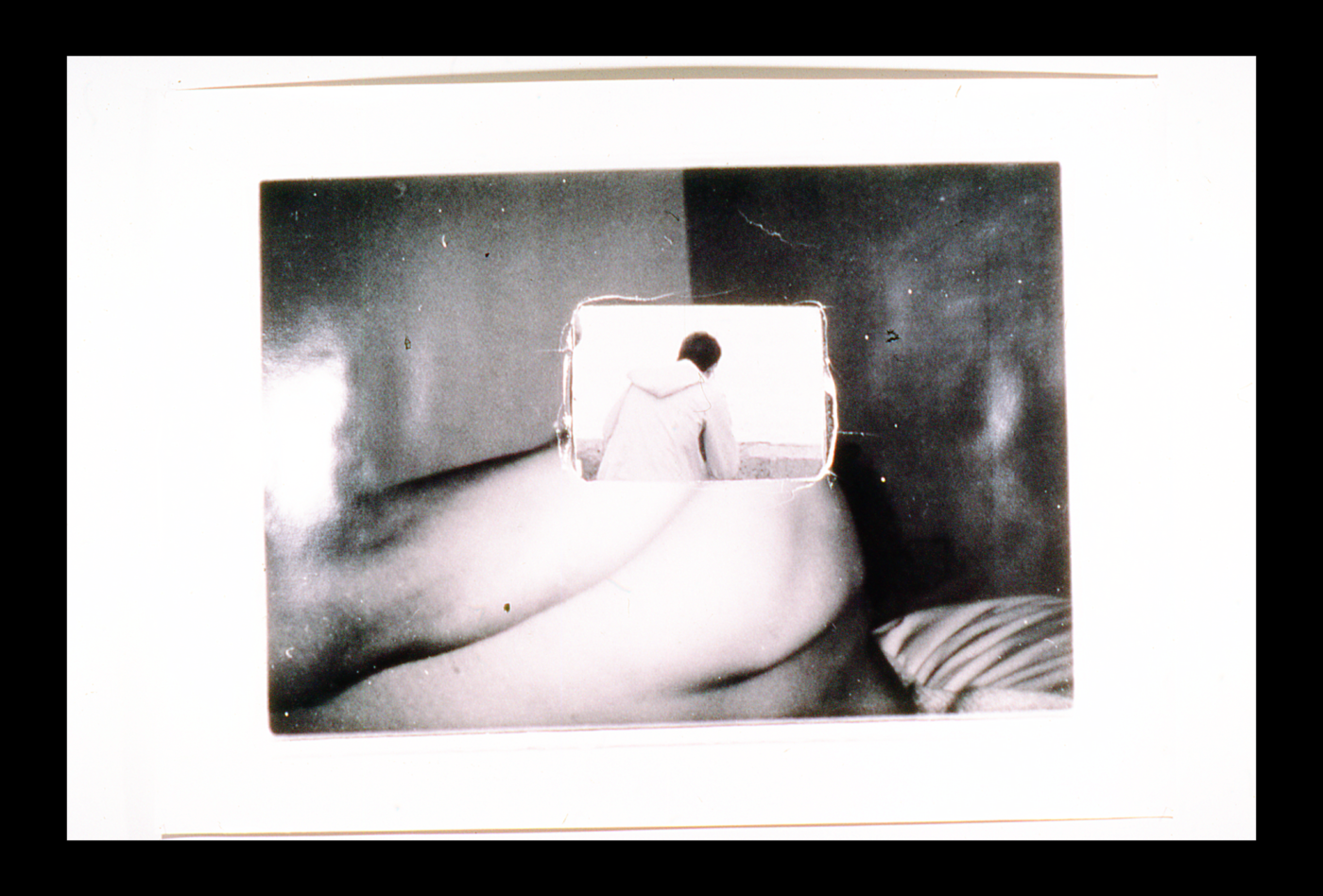
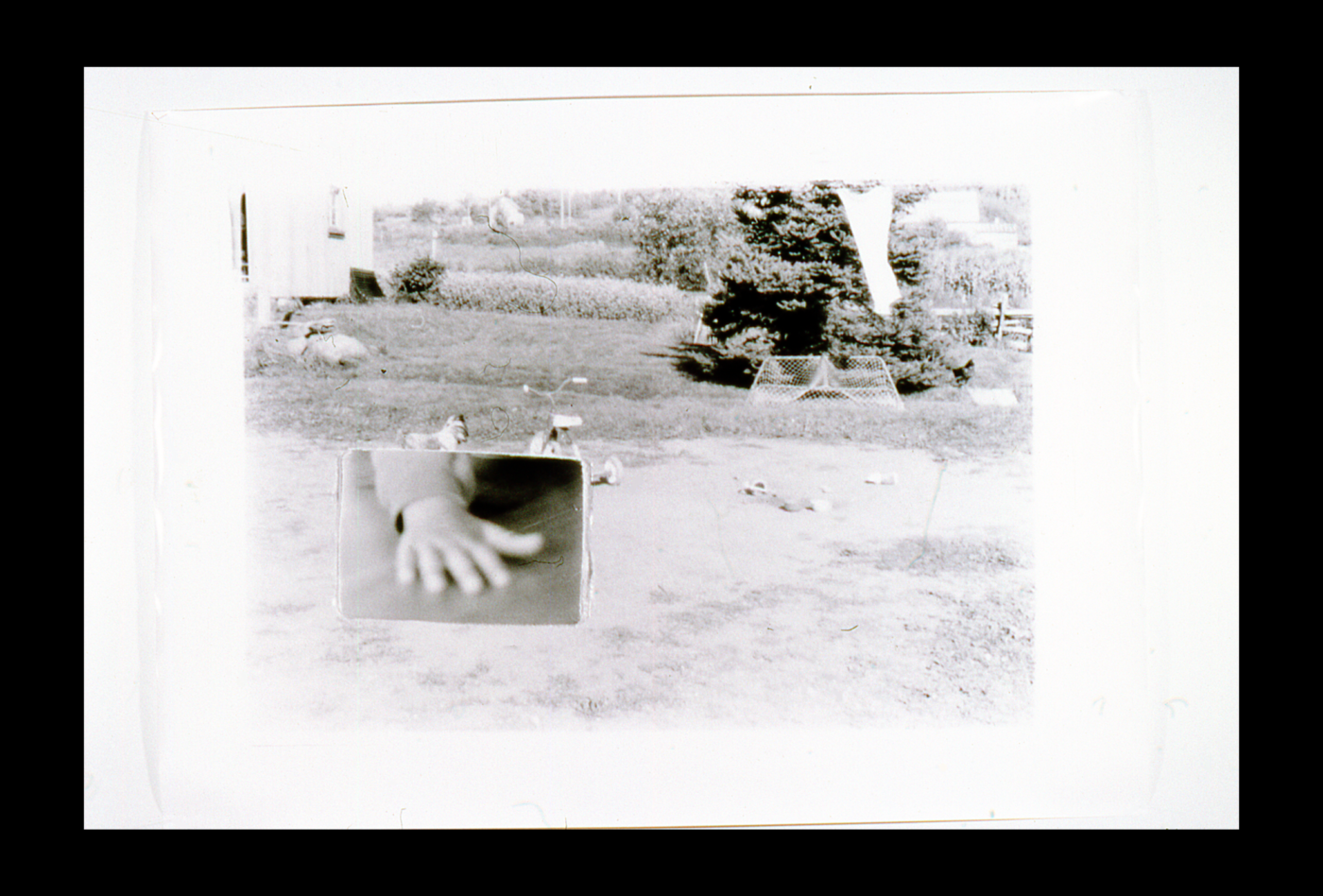
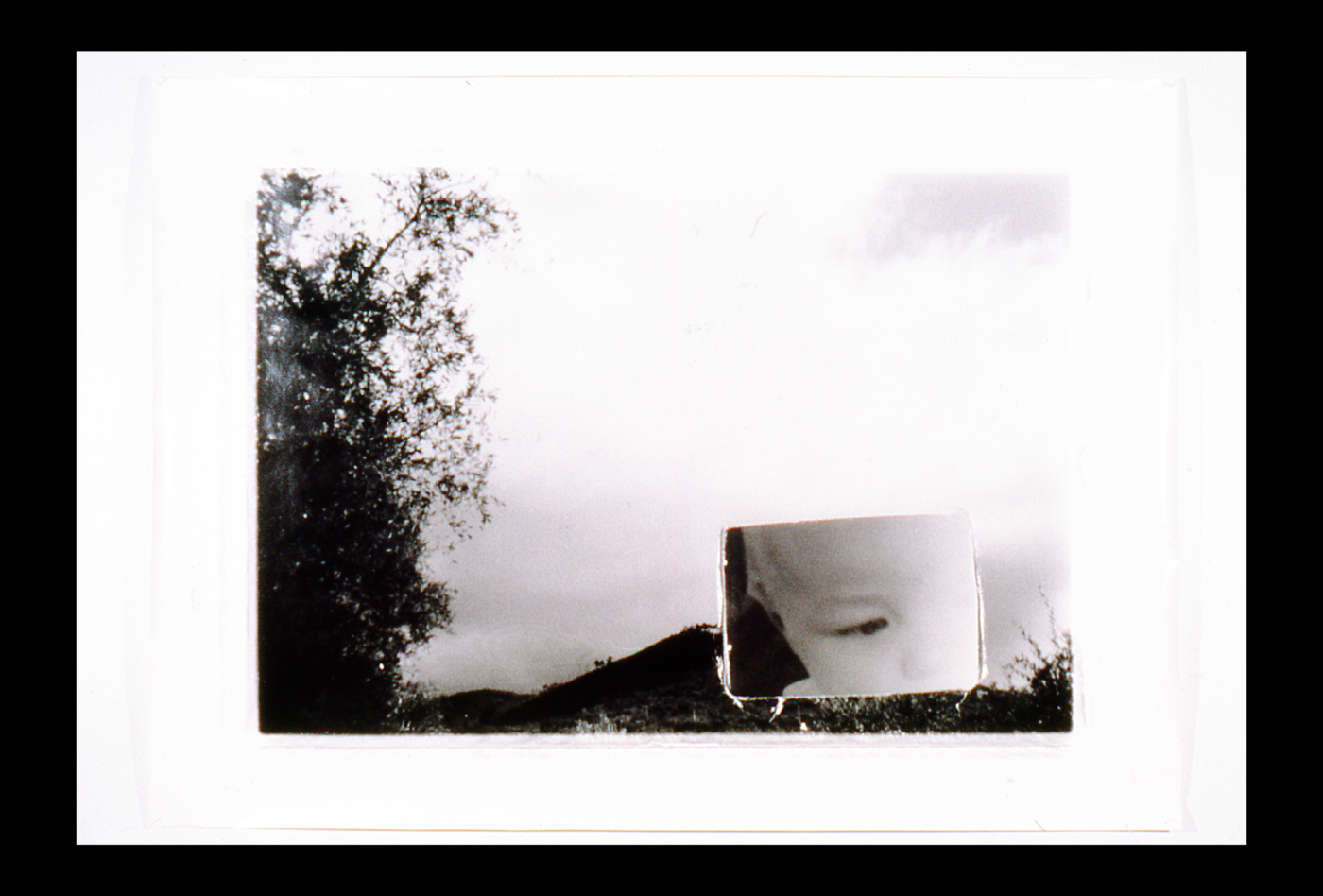
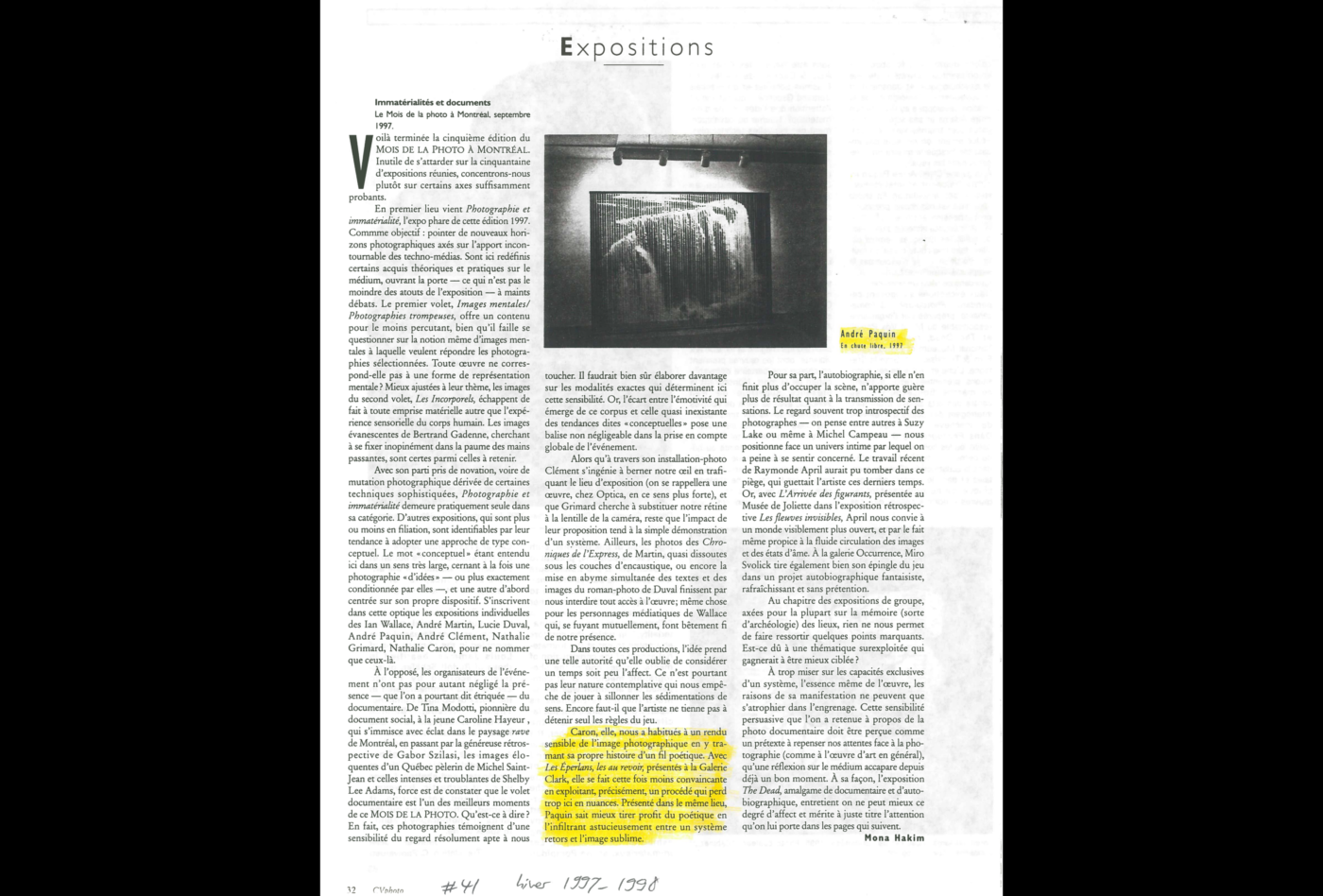
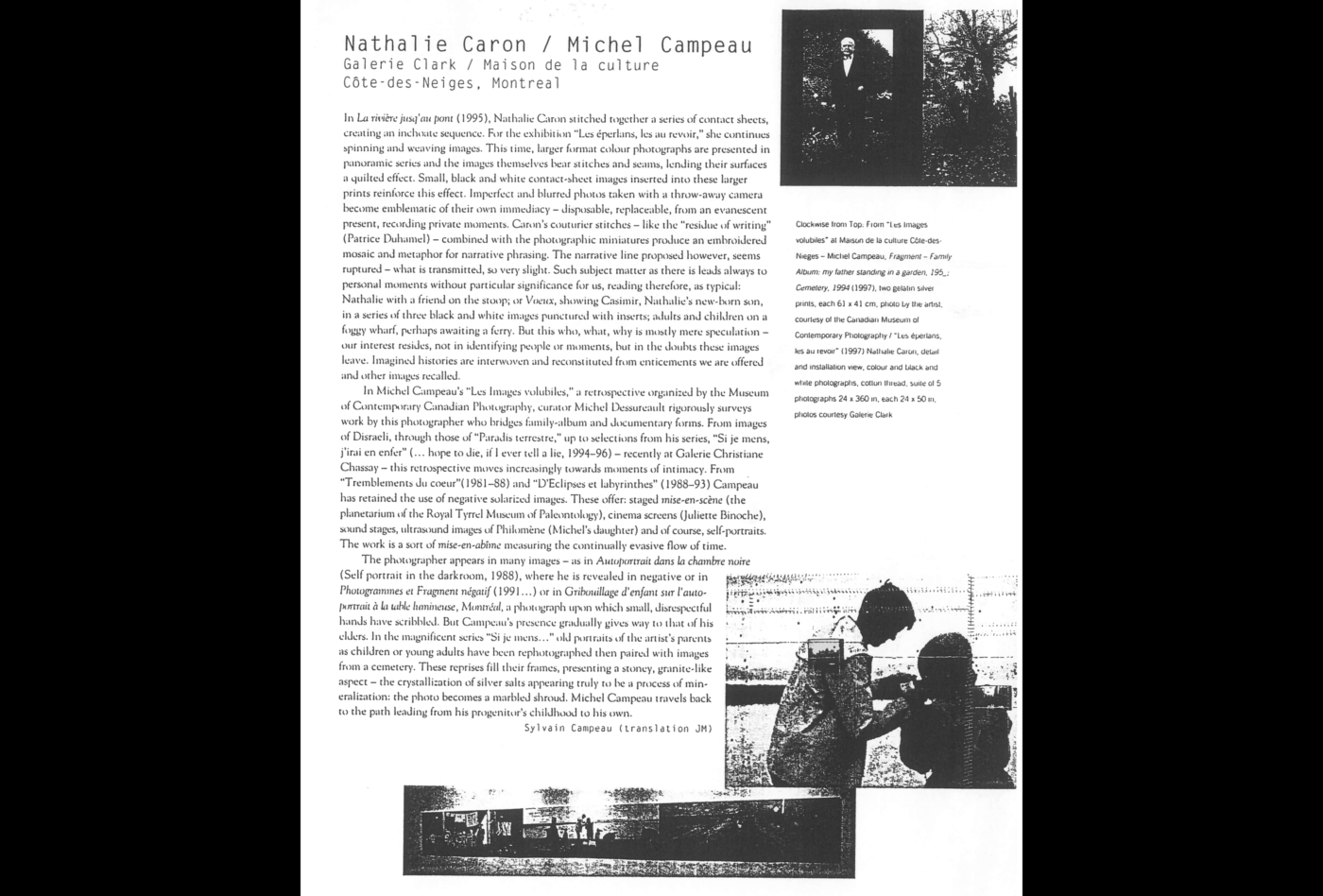
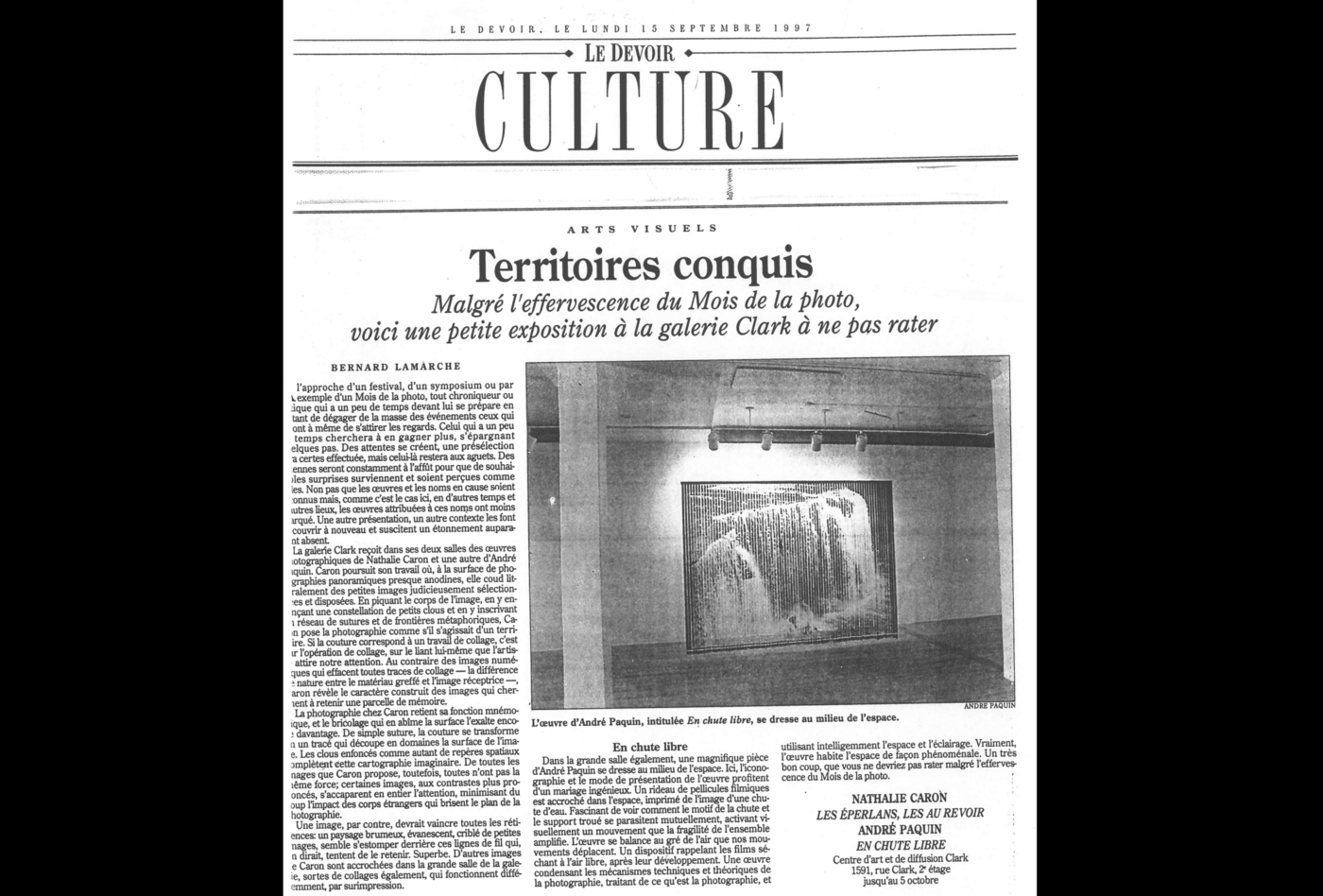
Nathalie Caron’s work reflects a deep attachment to poetry—specifically, the poetry of simple events that reveals inner mental activity and casts a process of storytelling over the everyday. The etymology of “poetry” points to the act of making. One must speak of “craftsmanship” here, and understand it in the fullest sense: akin to the meticulousness of embroidery or bookbinding, where the stitching traverses the photographic imagery like so many territories, shaping them into a kind of open book. These pieces are presented like star-studded maps, hemmed by a psychological journey. By arranging the relationship between words and images in space, they seek to extend that journey across the picture plane, inviting us to read it. However, in *Les éperlans, les au revoir*, we witness the disappearance of words. Stitching—diverted from its ornamental function—conveys the residue of writing through its own phrasing; it becomes the very body of the text. It shifts toward a narrative role by darning the outlines of small photos embedded within wide, colorful panoramic shots, creating appliqués and vignettes that play on the notion of the intimate (photographic miniatures and petit point) in relation to the intimate nature of the spaces and figures depicted. A subtle interplay also arises between the low definition of the photographic image (the work’s material means—using a disposable panoramic camera—also chronicle the everyday) and the sharp, linear quality of the stitching. It is, in fact, through this lens of the “intimate-minuscule” that other works, such as *Voeux*, allow us to link the gradual fading of words and characters to the fading of signs. Soon, they become nothing more than the punctuation of a faint, underlying voice—mere ellipses—without, however, relating to the imperceptible. This murmur—perhaps the true poetic voice—is heard like a refrain as this slow journey, this patient labor, is recounted to us.
Patrice Duhamel, August 1997

A crowdfunding campaign for emerging artists.