Anne-Renée Hotte
Les rencontres ne savent pas qu’elles ont lieu
09.11–10.24.2026
Current
The apparition of these faces in the crowd: Petals on a wet, black bough.
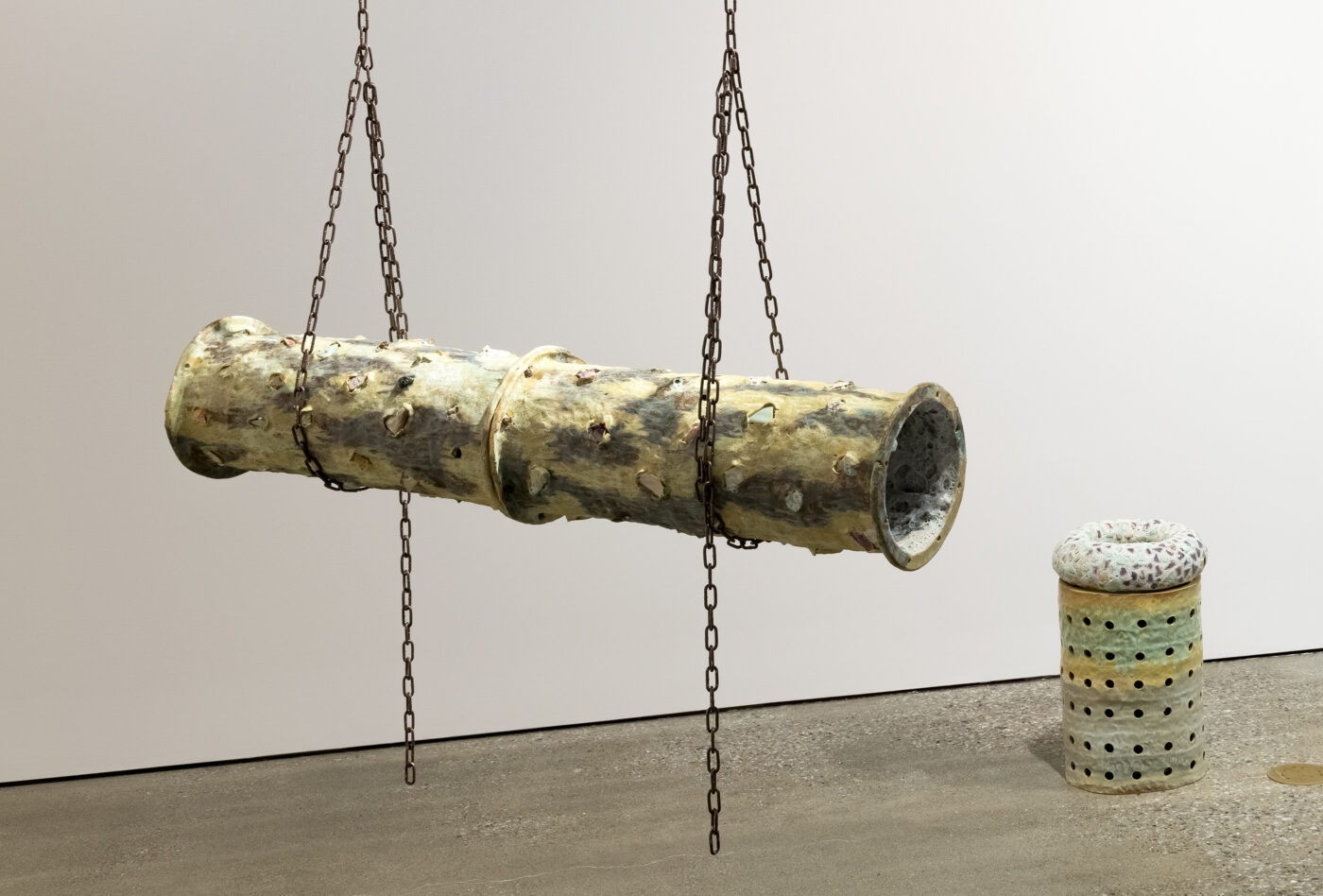
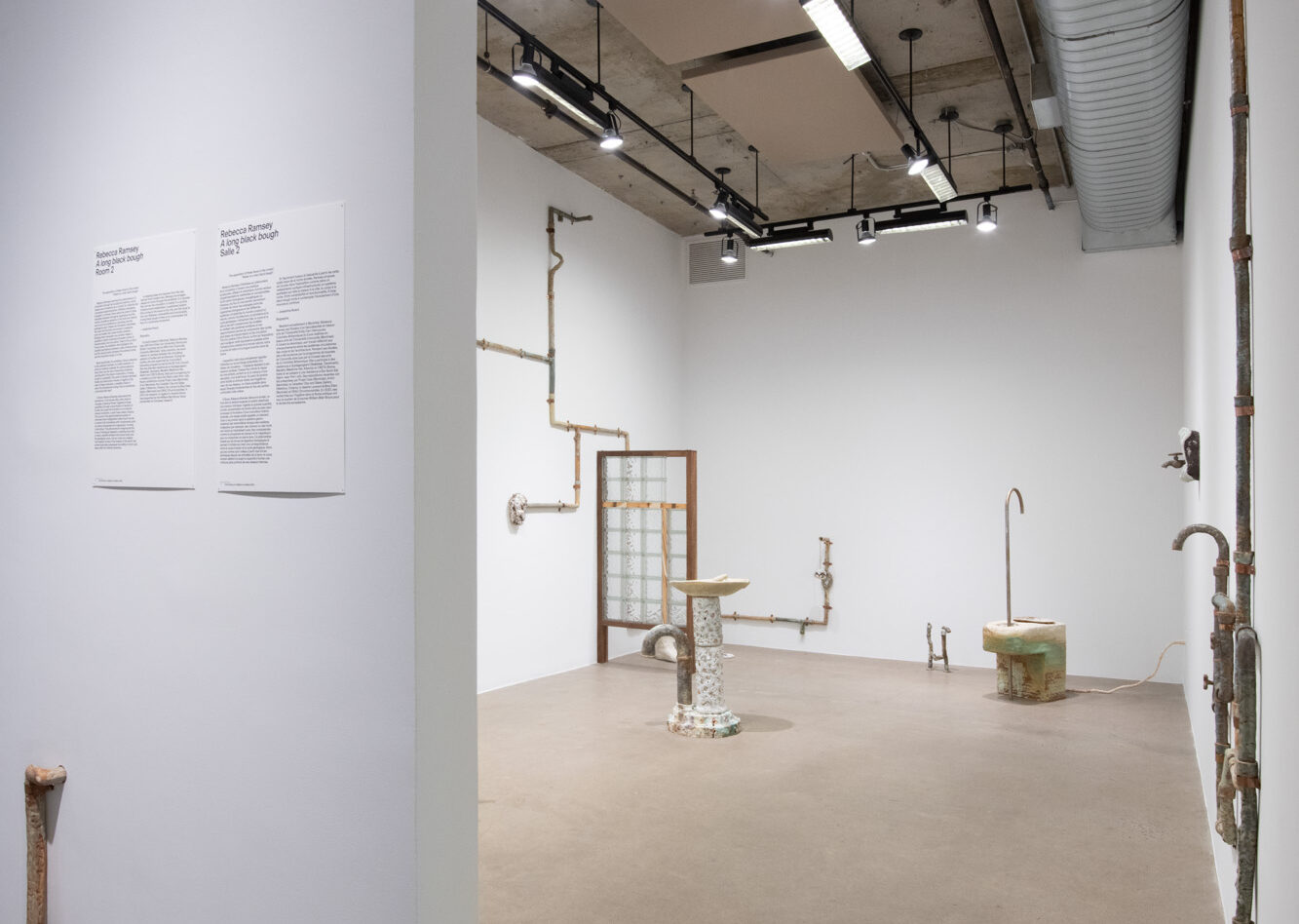
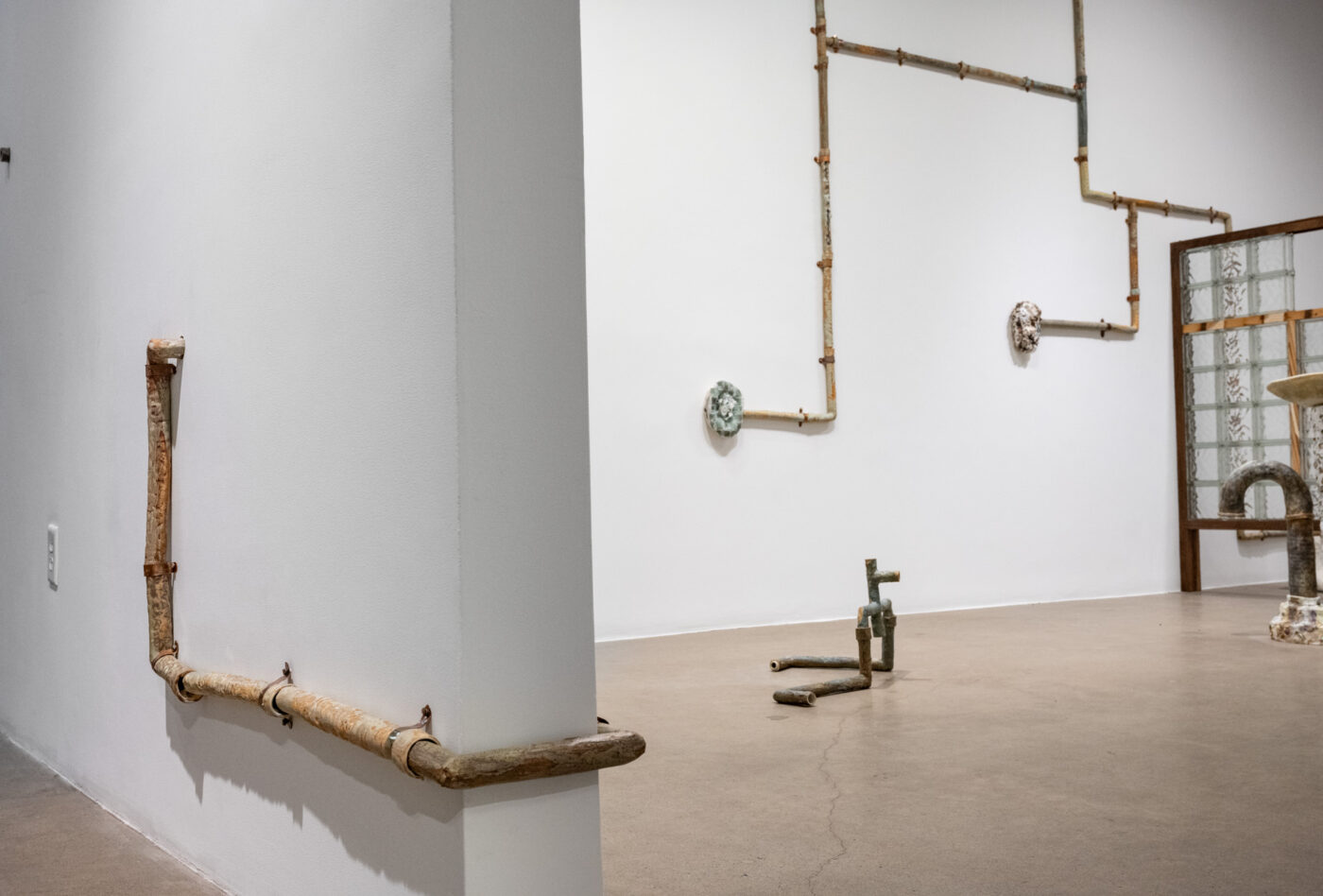
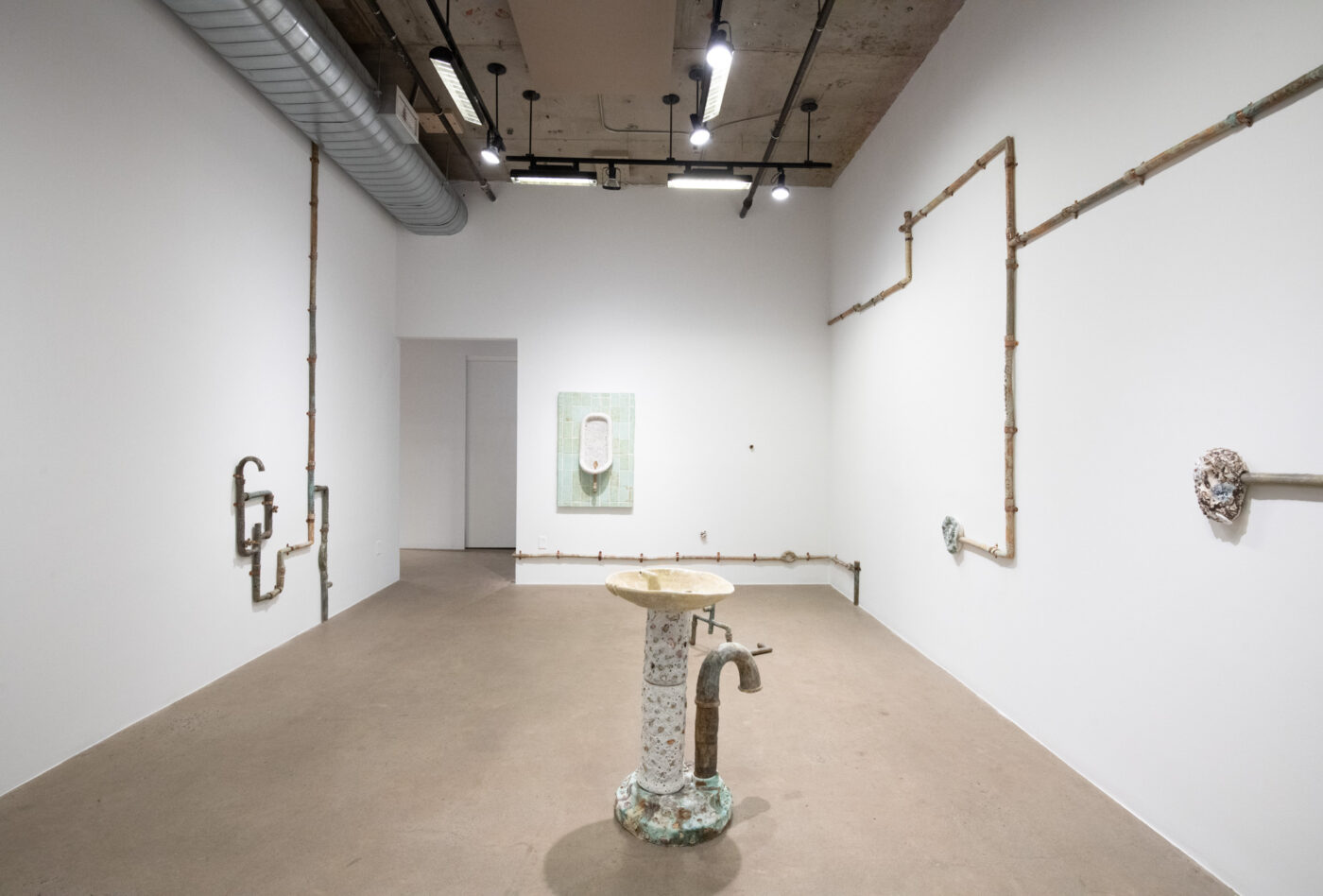
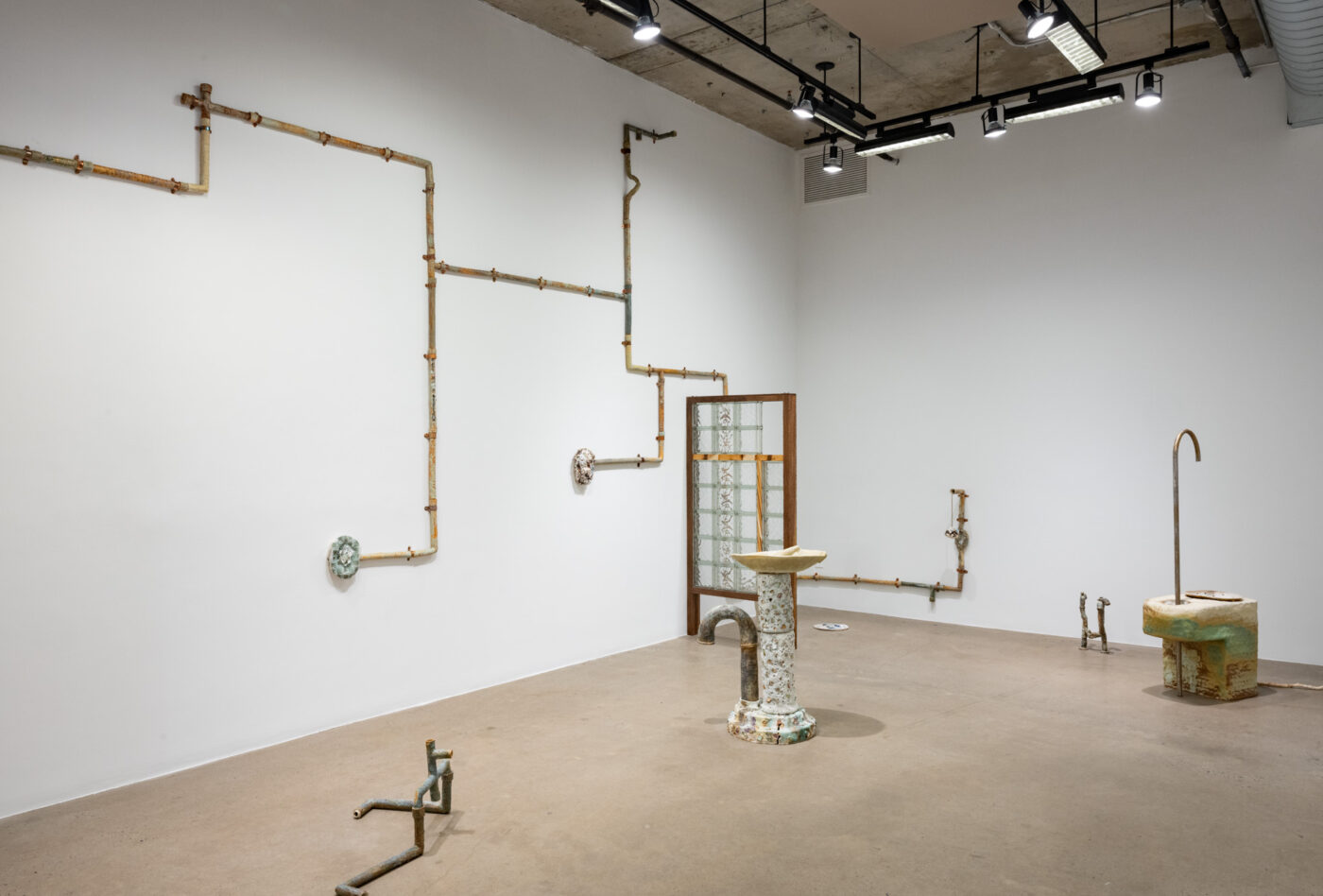
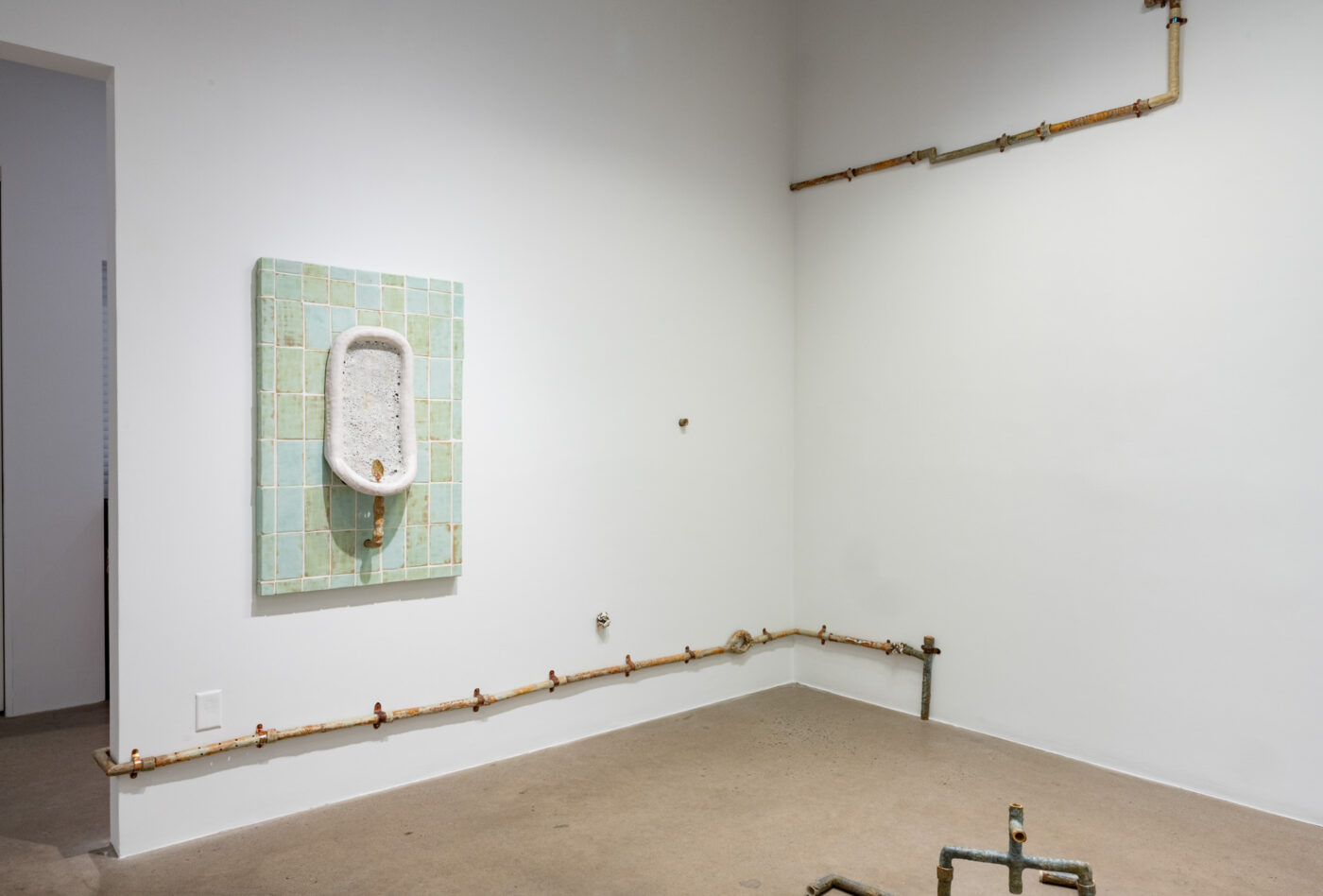
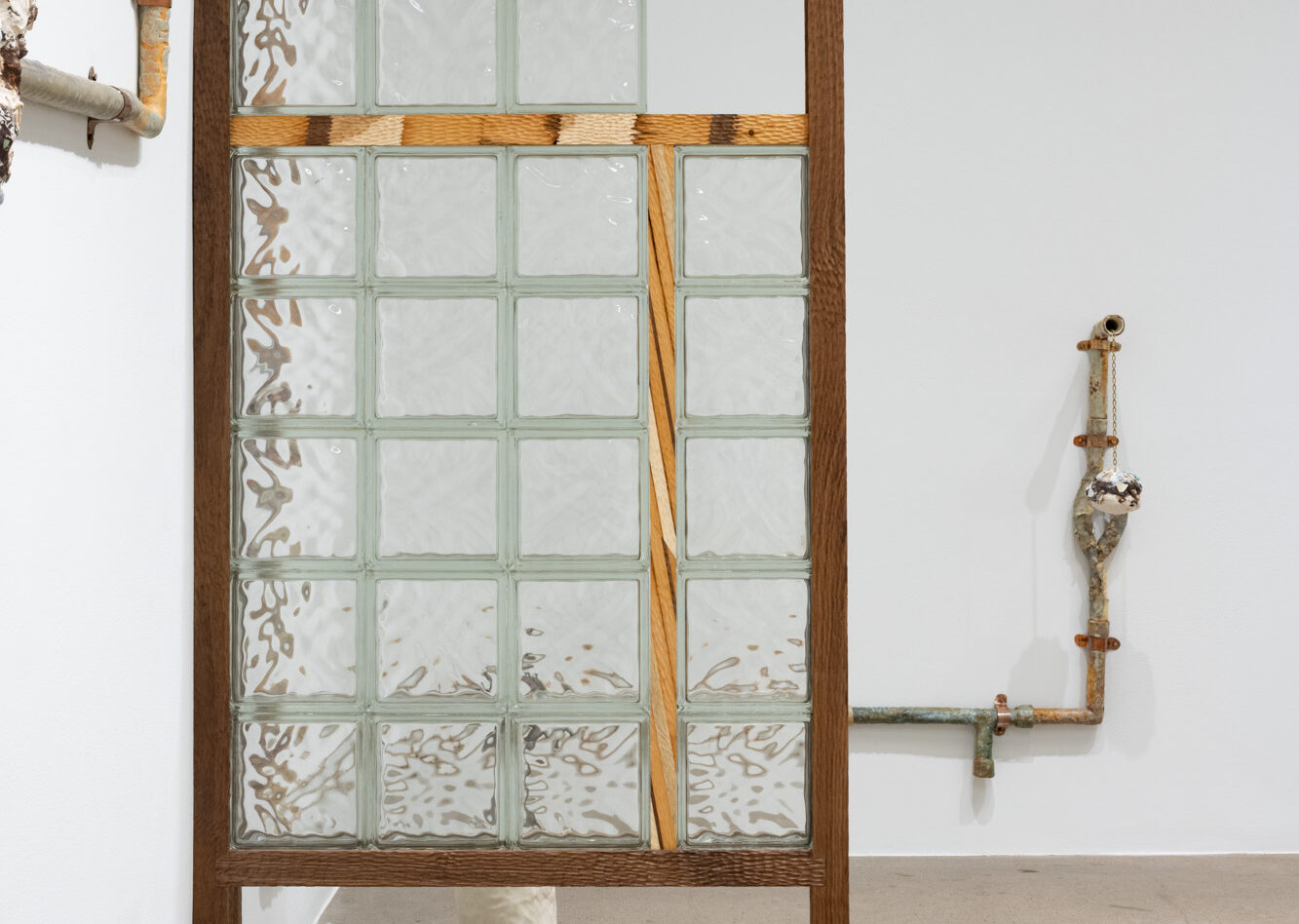
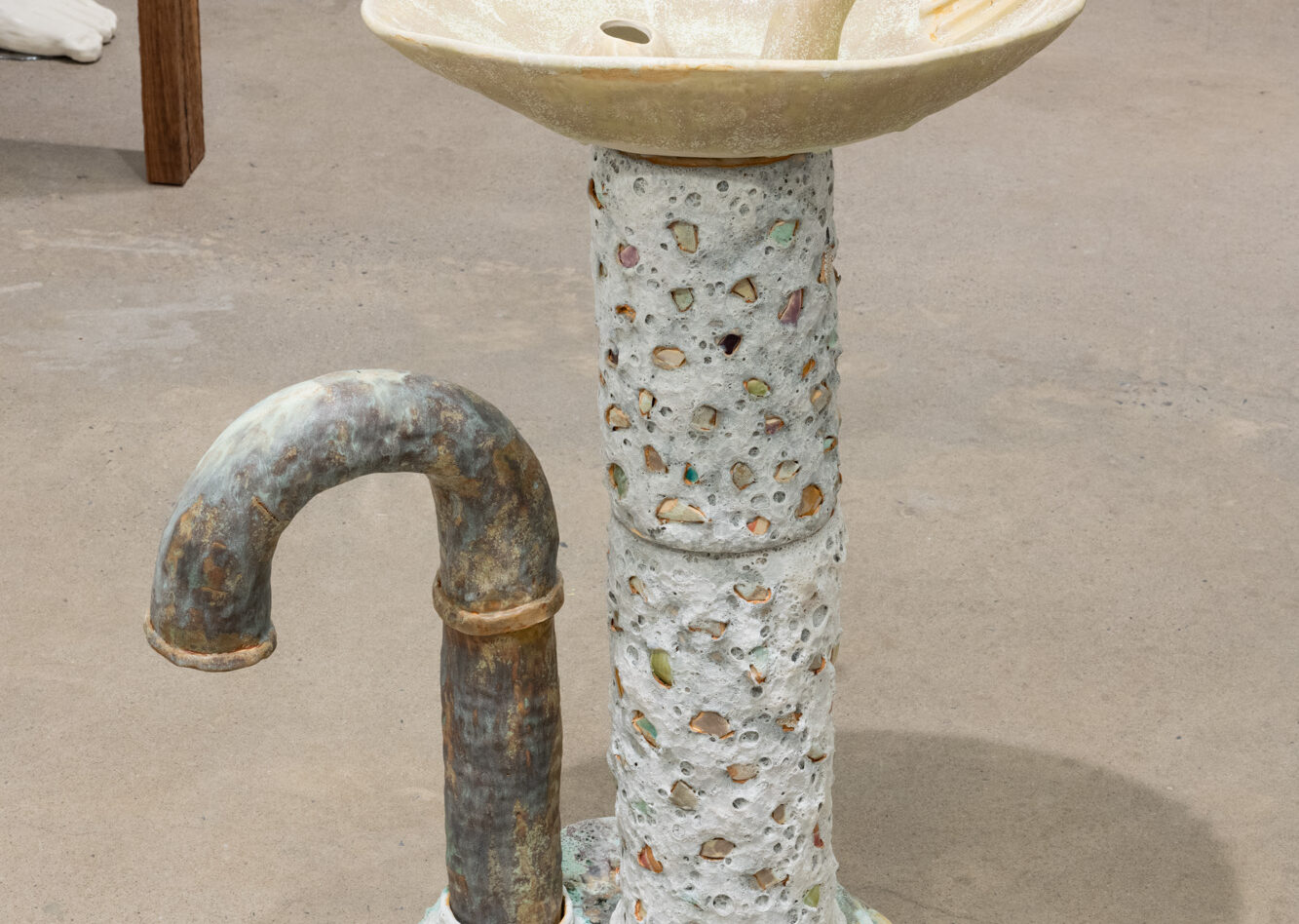
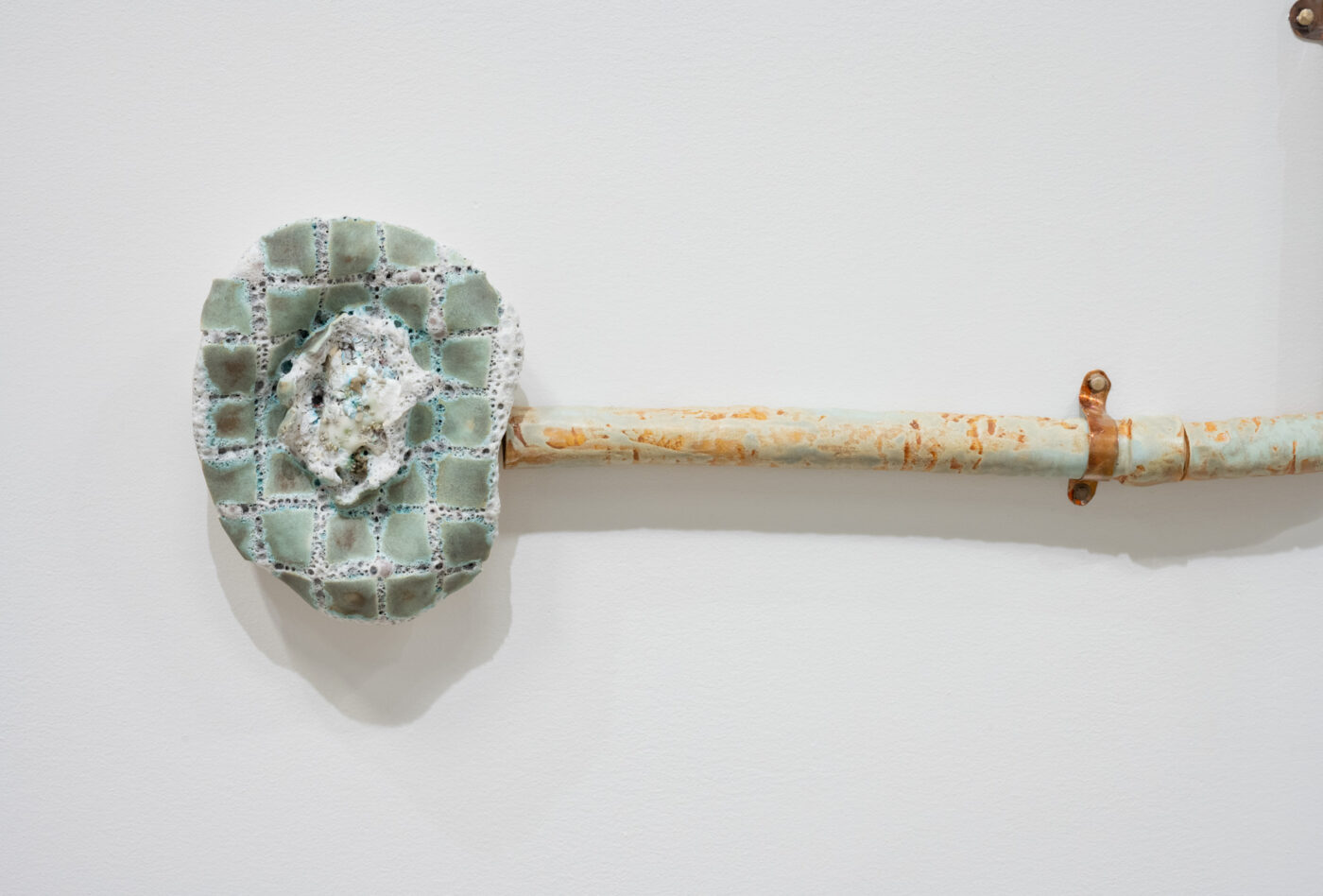
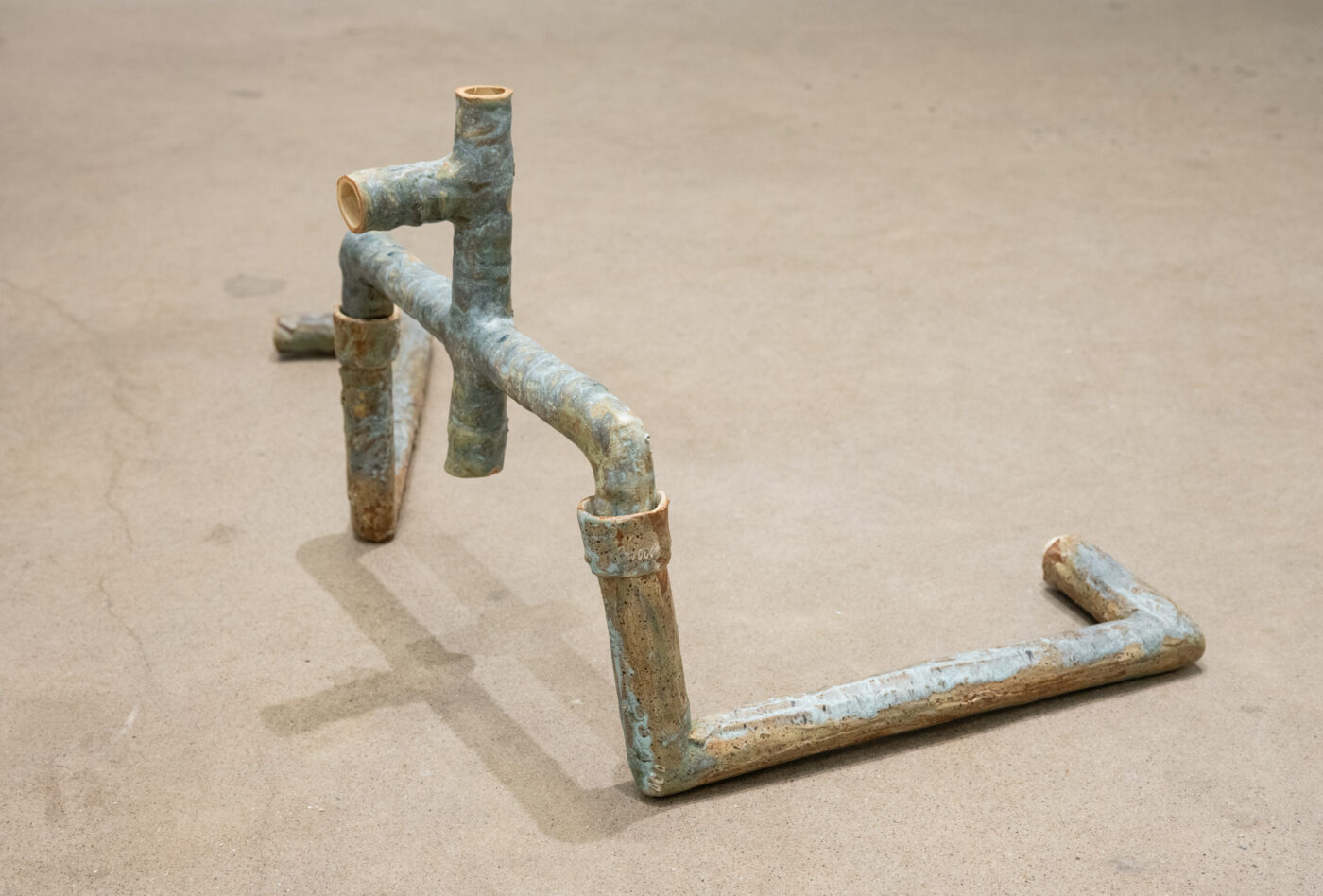
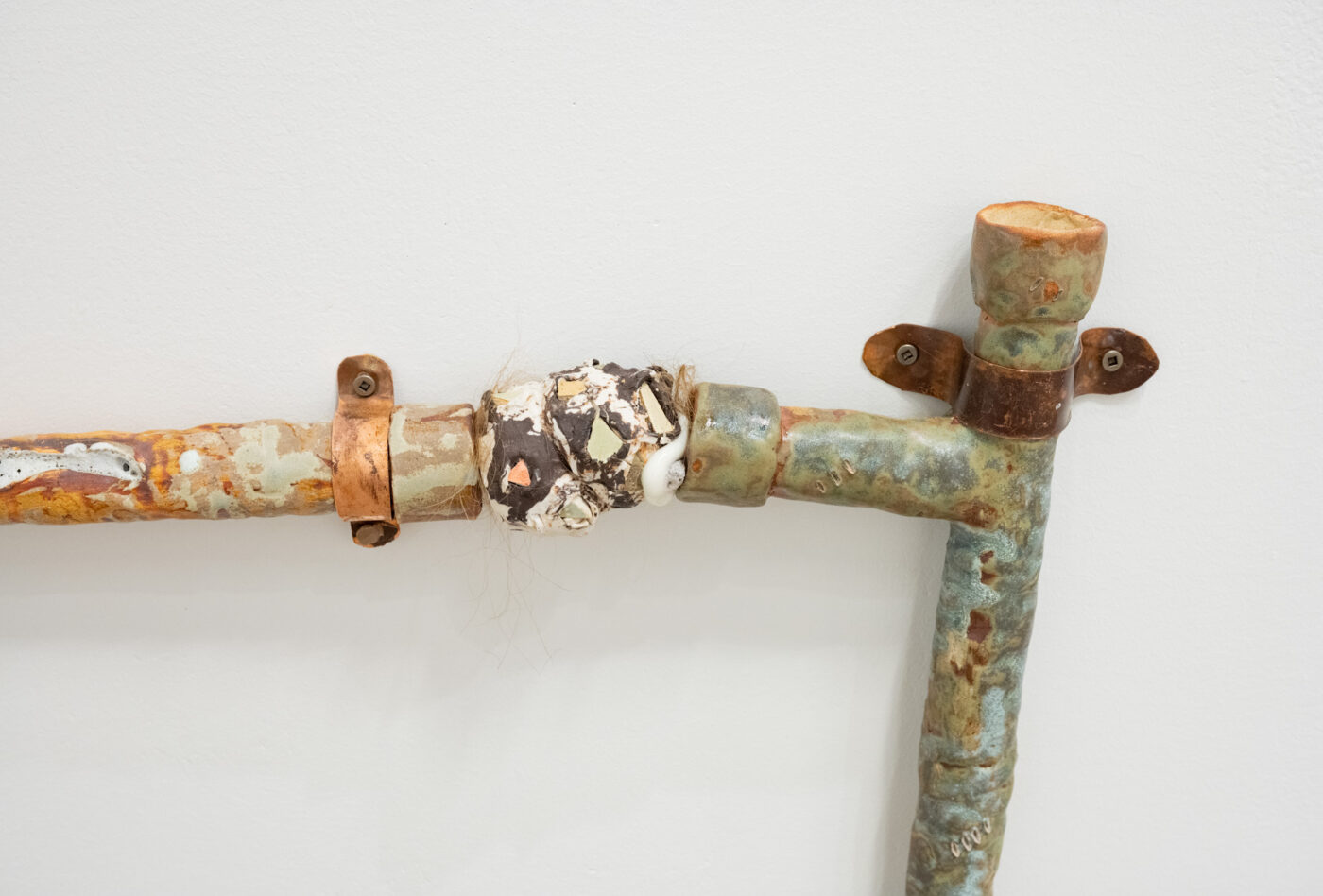
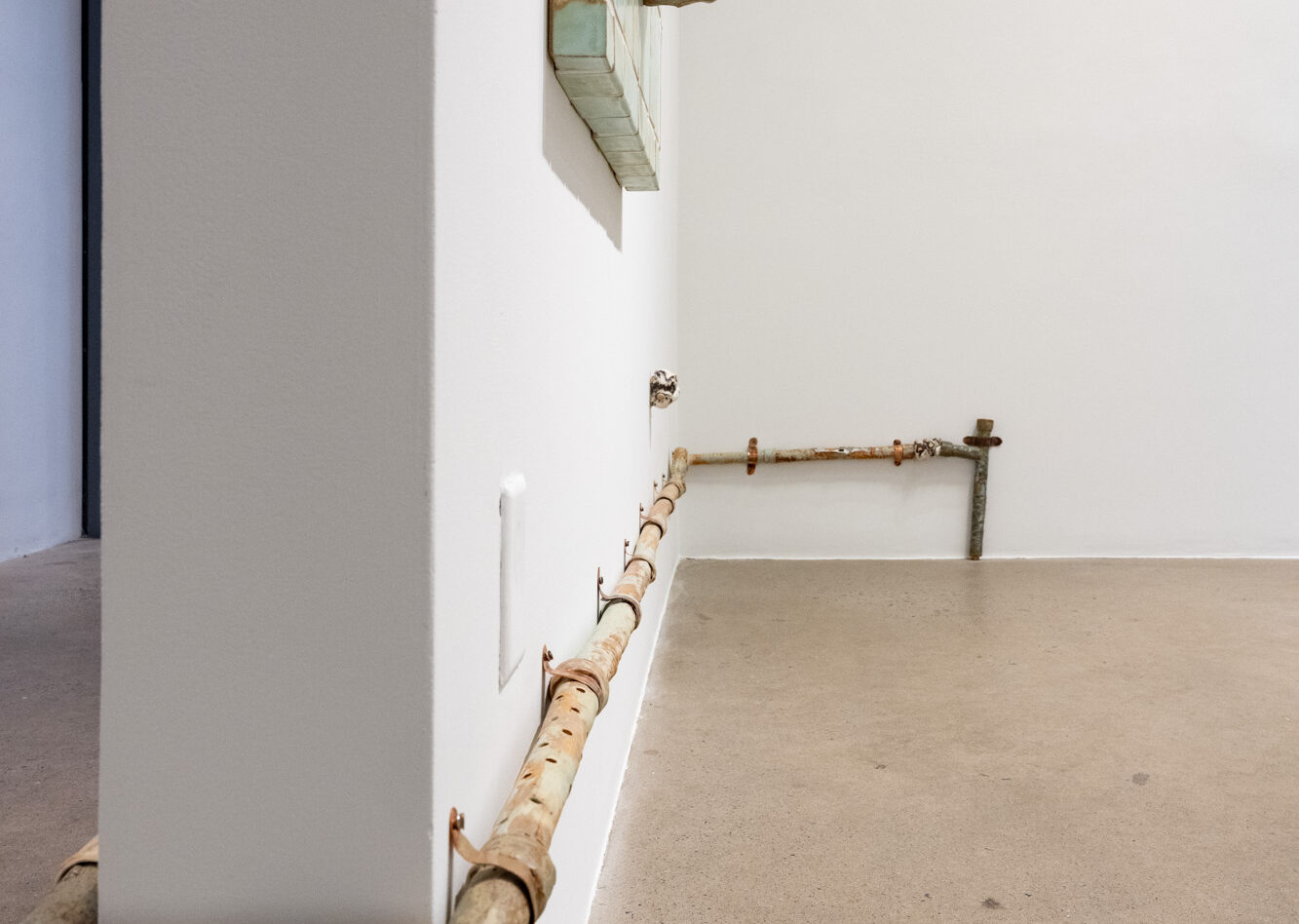
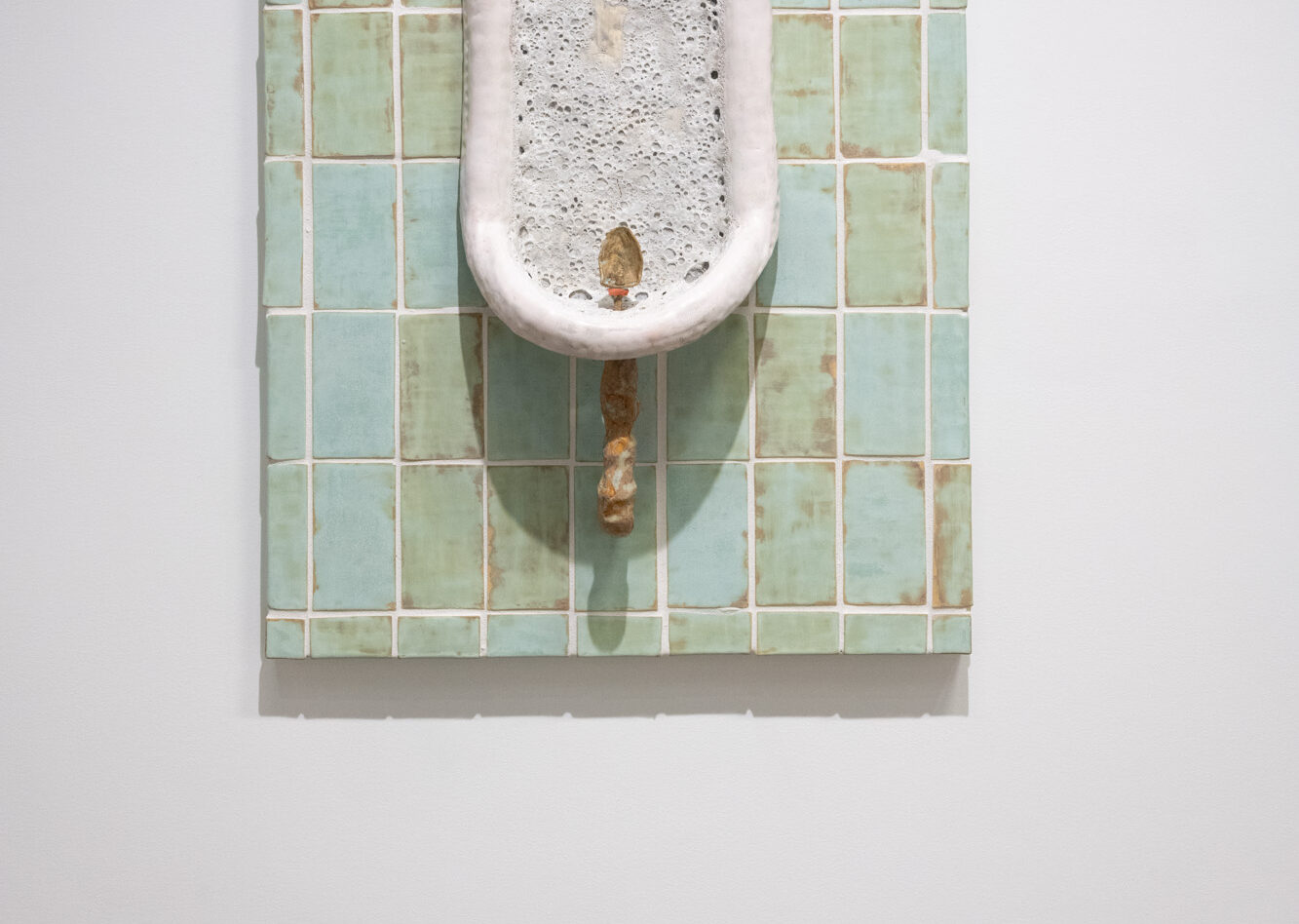
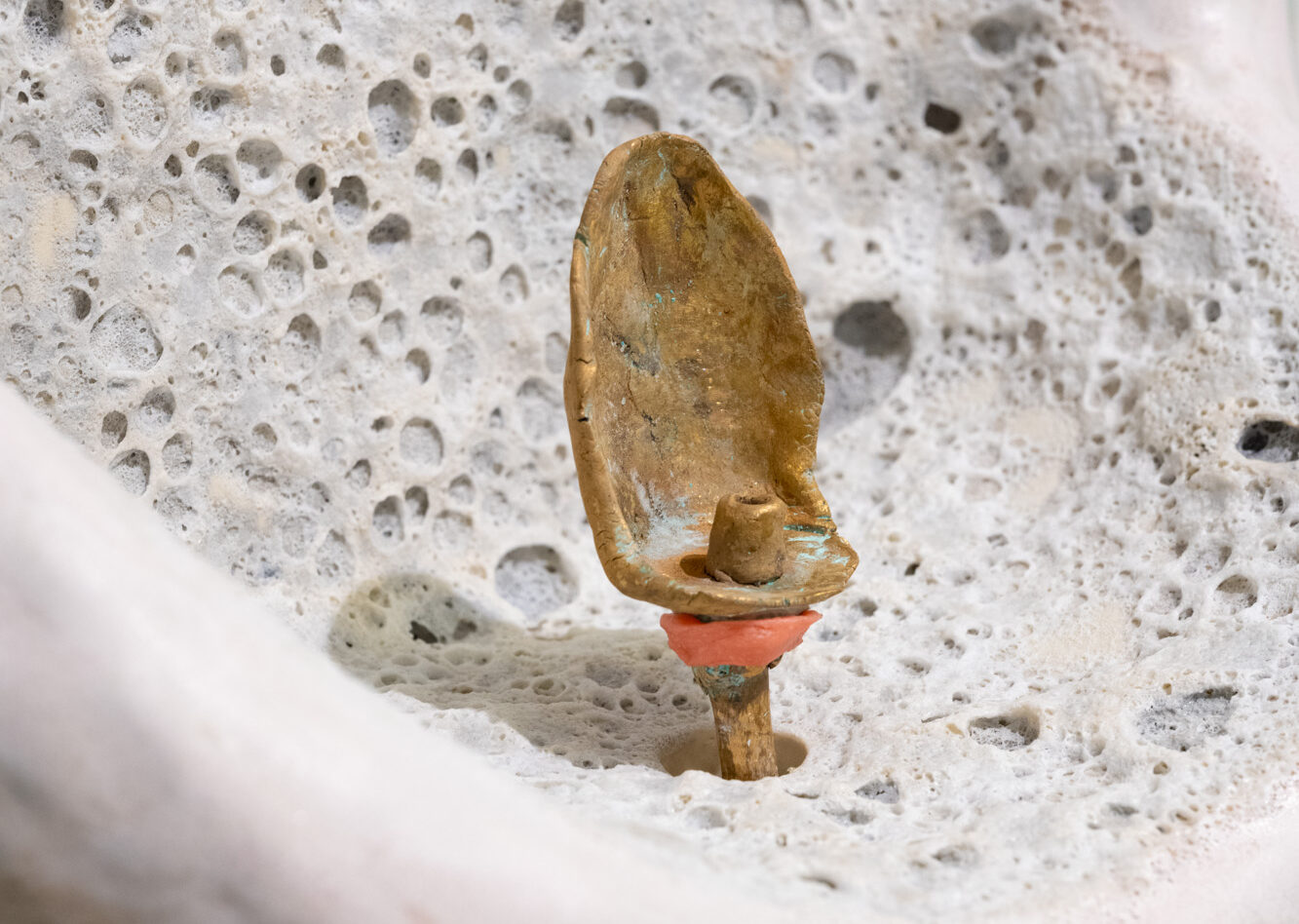
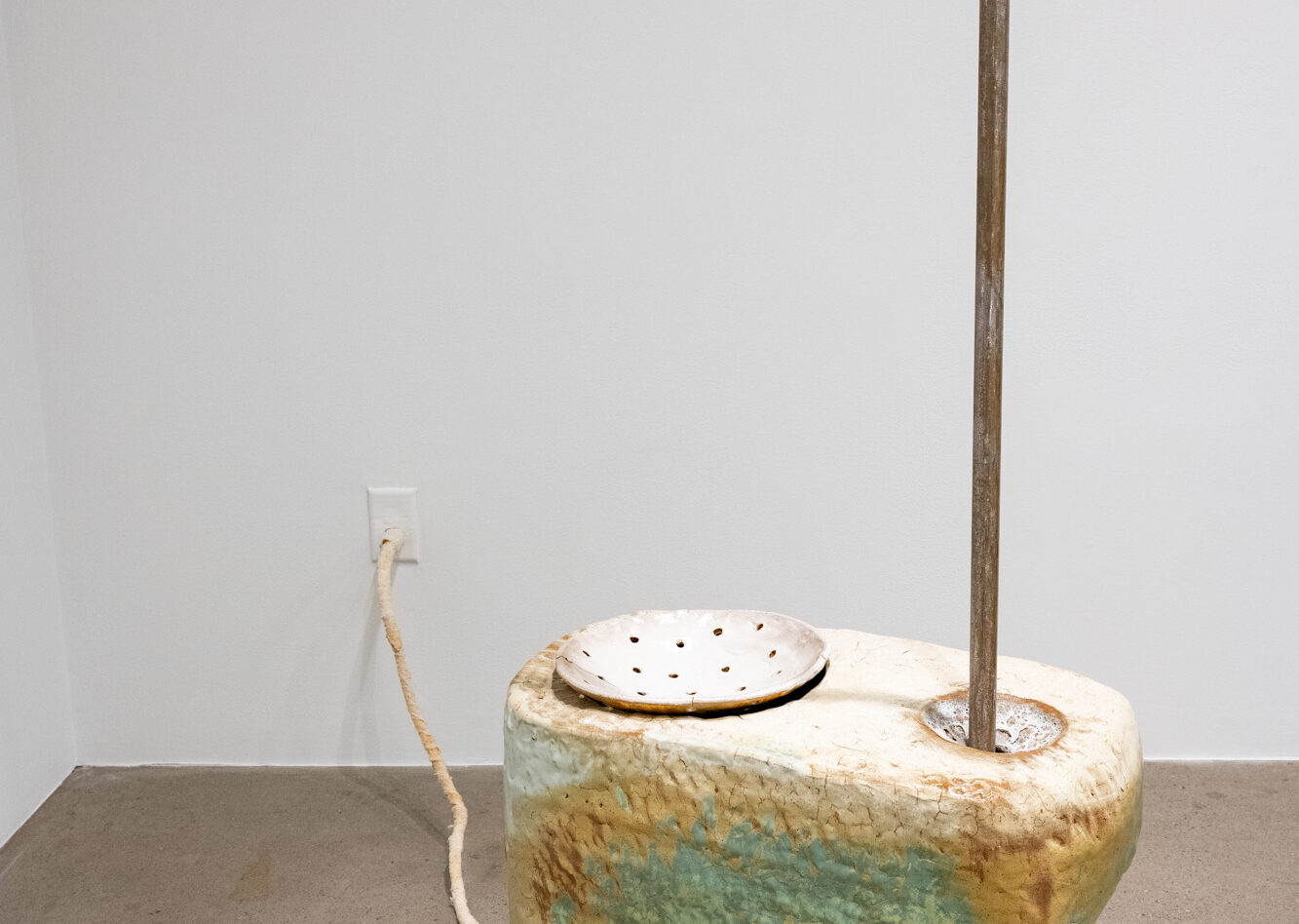
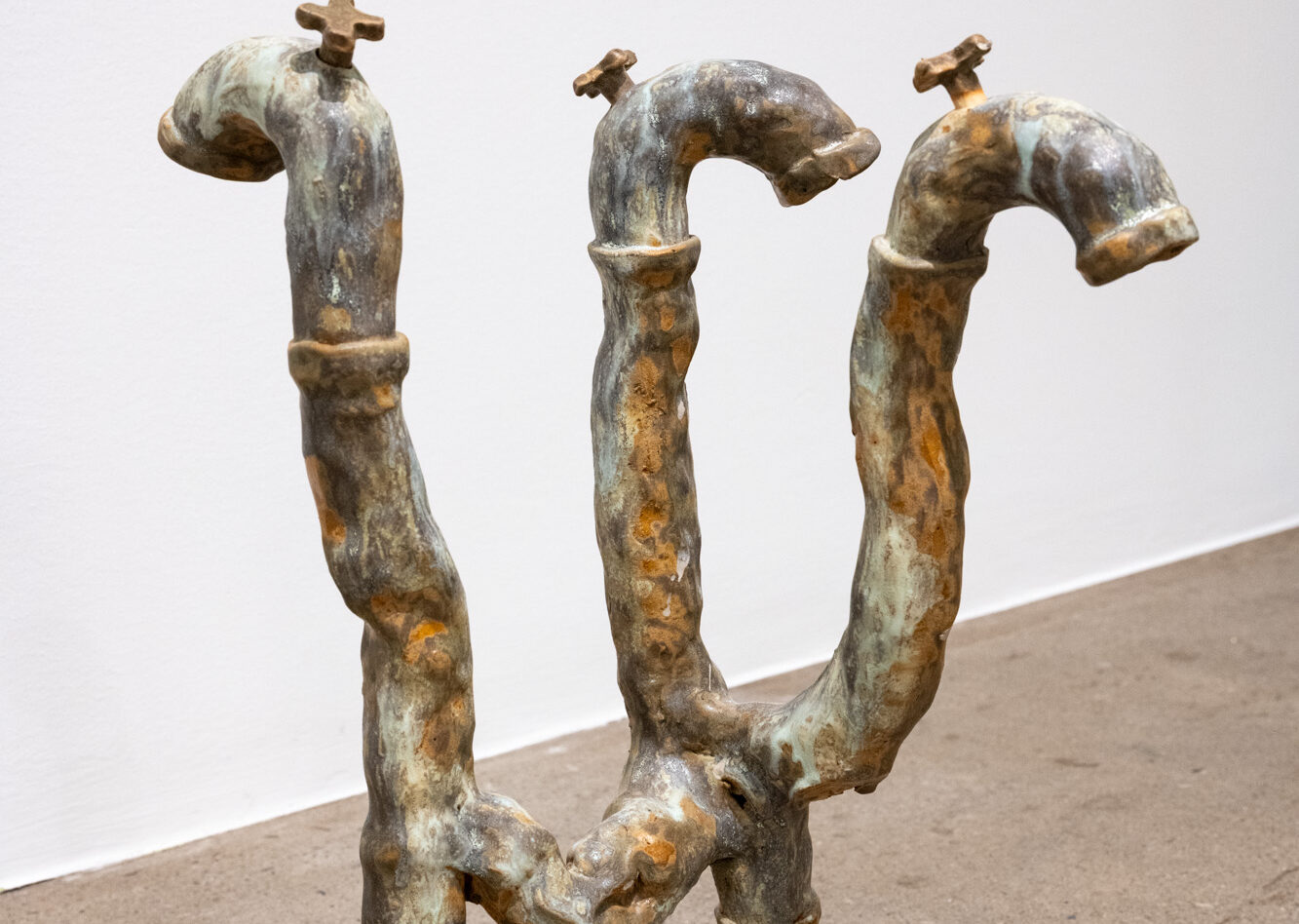
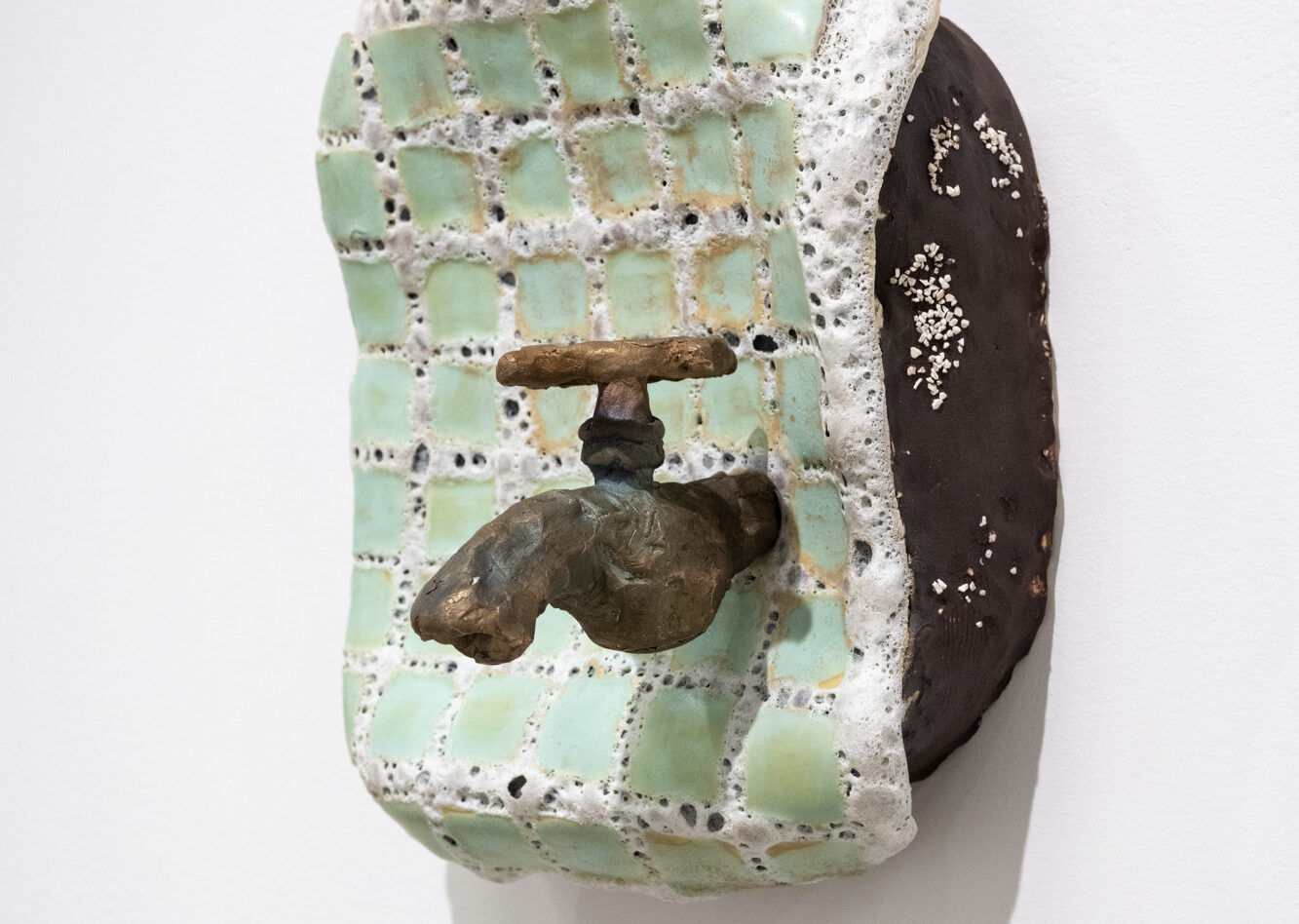
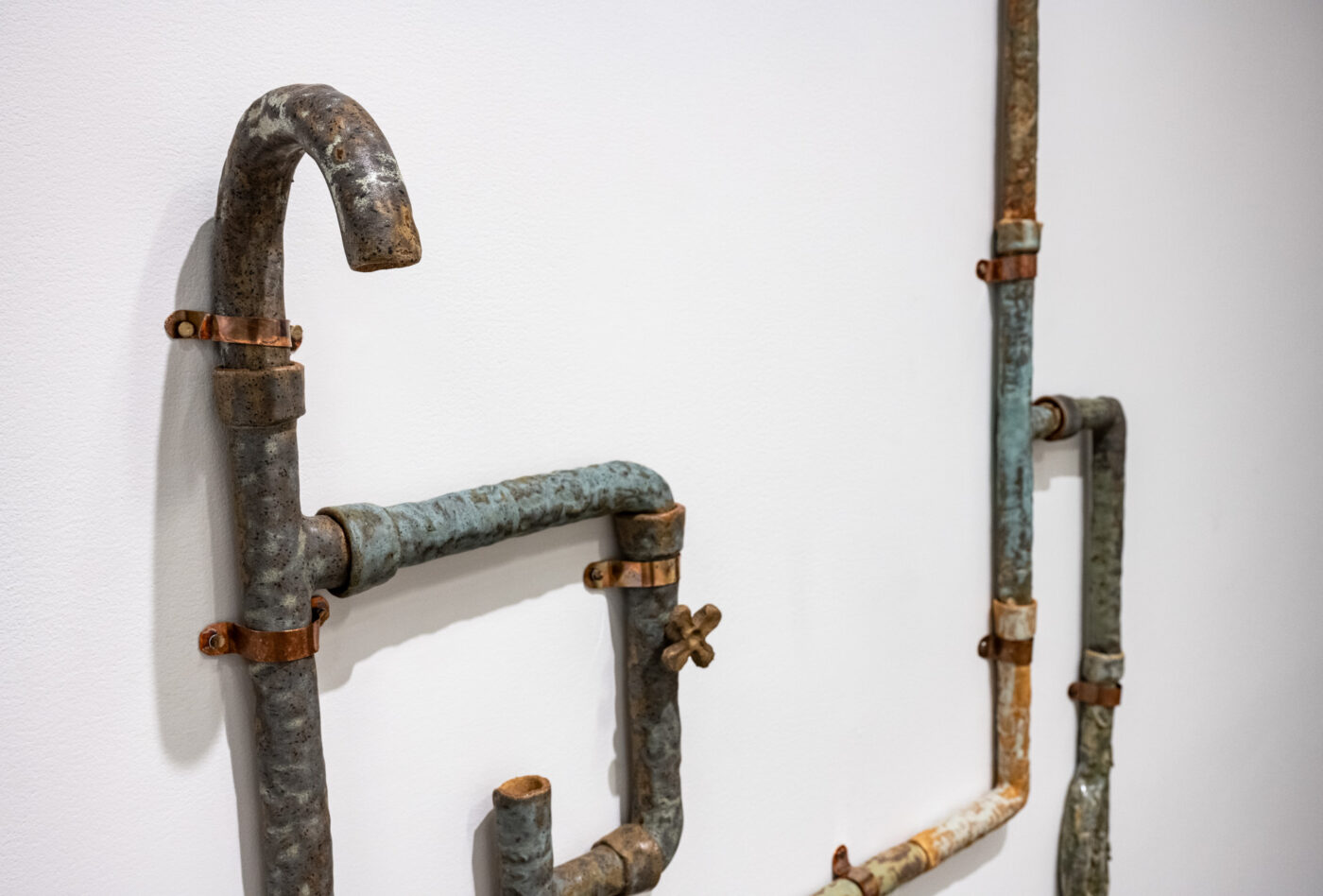
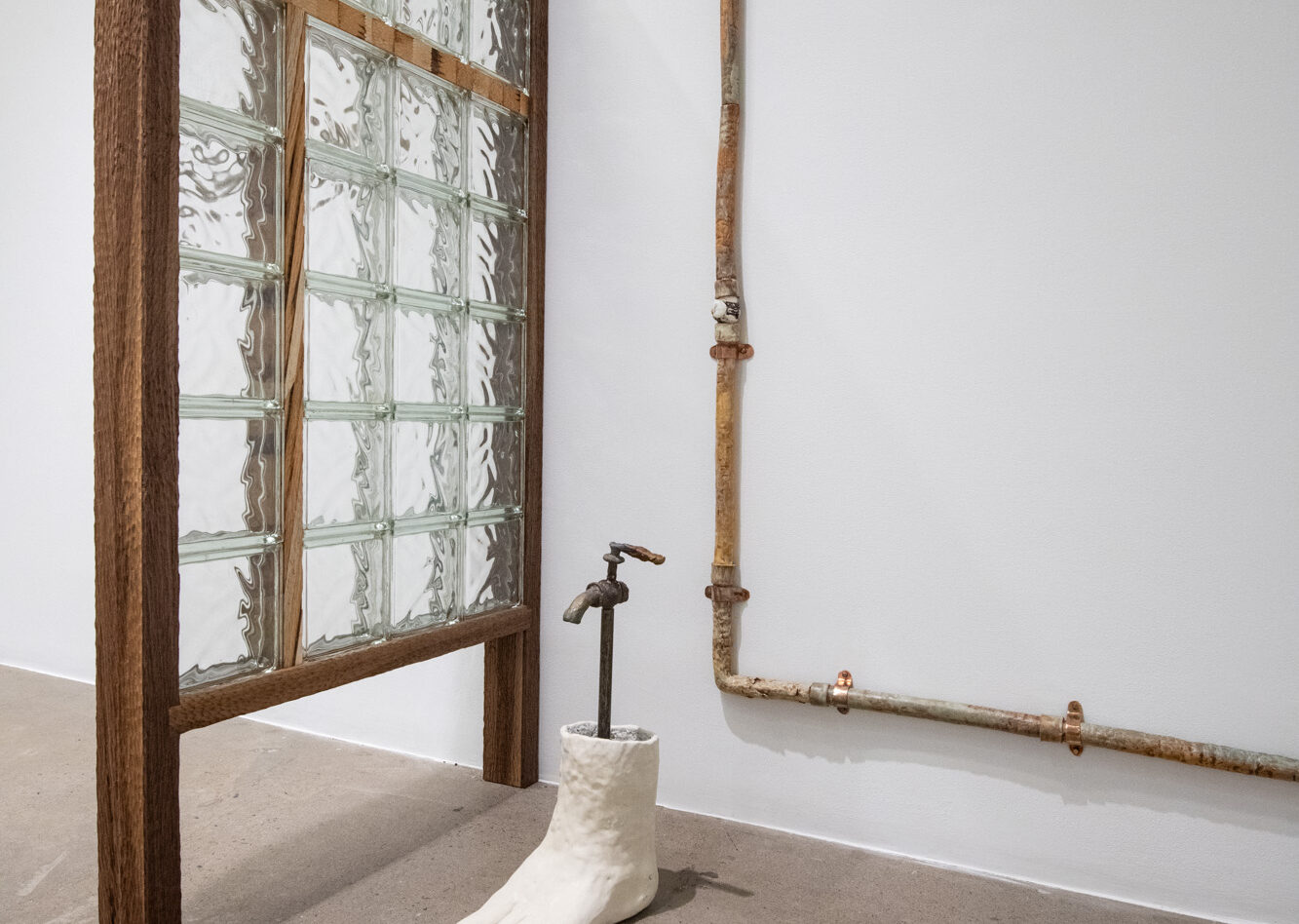
Rebecca Ramsey explores the phenomenon of circulation through her sculptural practice, which makes use of ceramics as a conduit for material and conceptual experimentation. Whether biological, energetic or mineral, flows allow the artist to draw analogies between biological organisms and the various circulatory systems of the built and natural world, such as architecture, plumbing and the geological cycle. Viewed as intricately interlinked, the body and the built environment constantly serve as models that reveal similar systems. Bringing them alongside one another makes it possible to better understand broader cycles of transformation and circulation. Taken from an Ezra Pound poem, the exhibition title highlights this possible equivalence between urban infrastructure and the natural world, between the subway tunnel and the long black bough of a tree.
More specifically, the exhibition directs attention to the potential overload of a traffic network—in which an obstacle impedes its cyclical essence. Every flow runs the risk of becoming cluttered, carrying with it the threat of saturation, of being forced to a standstill. This point of tension between fluidity and obstruction reveals a fragility at the heart of these networks, a possible chaos in which the fundamental energy flow is sometimes confronted with itself.
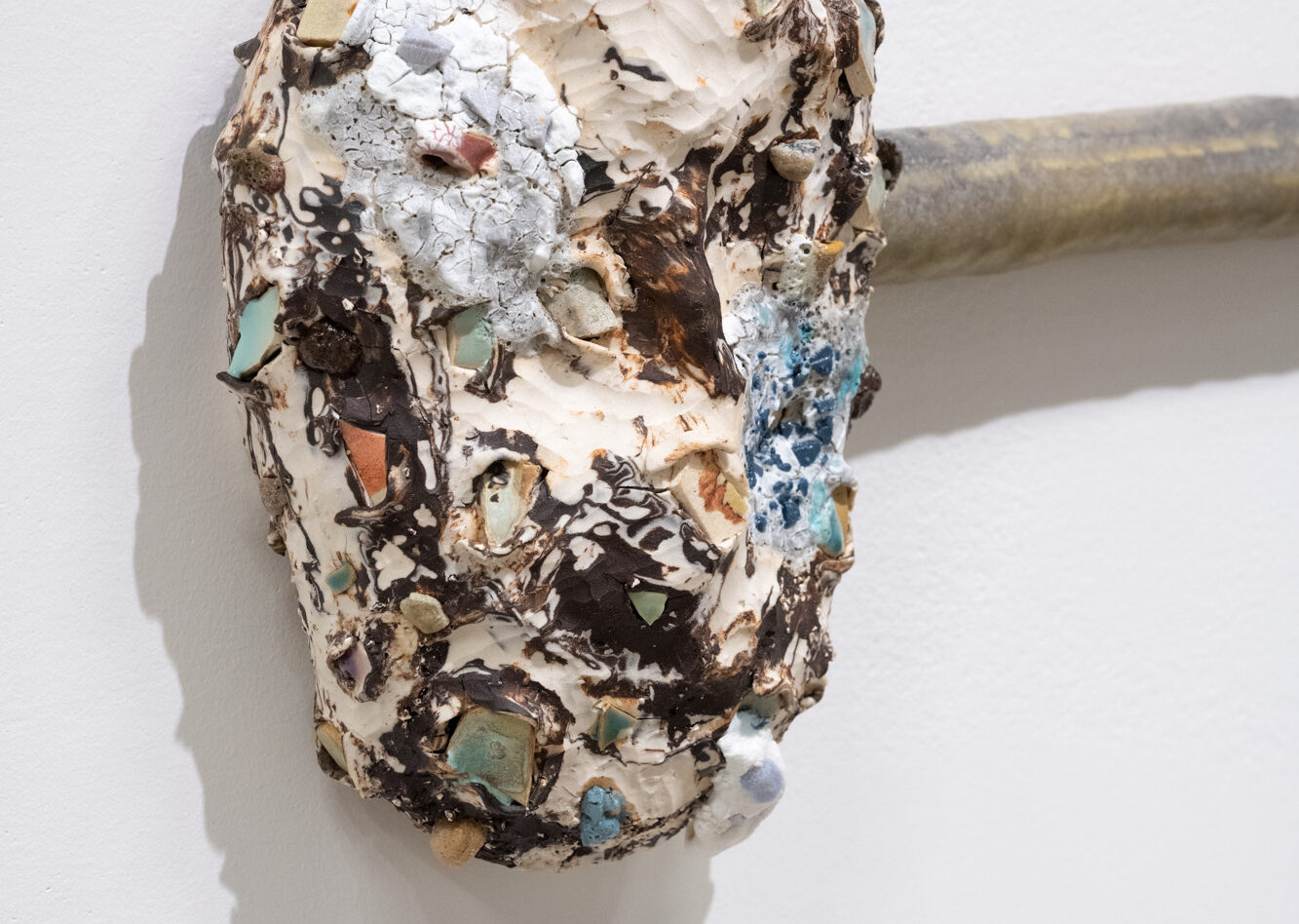
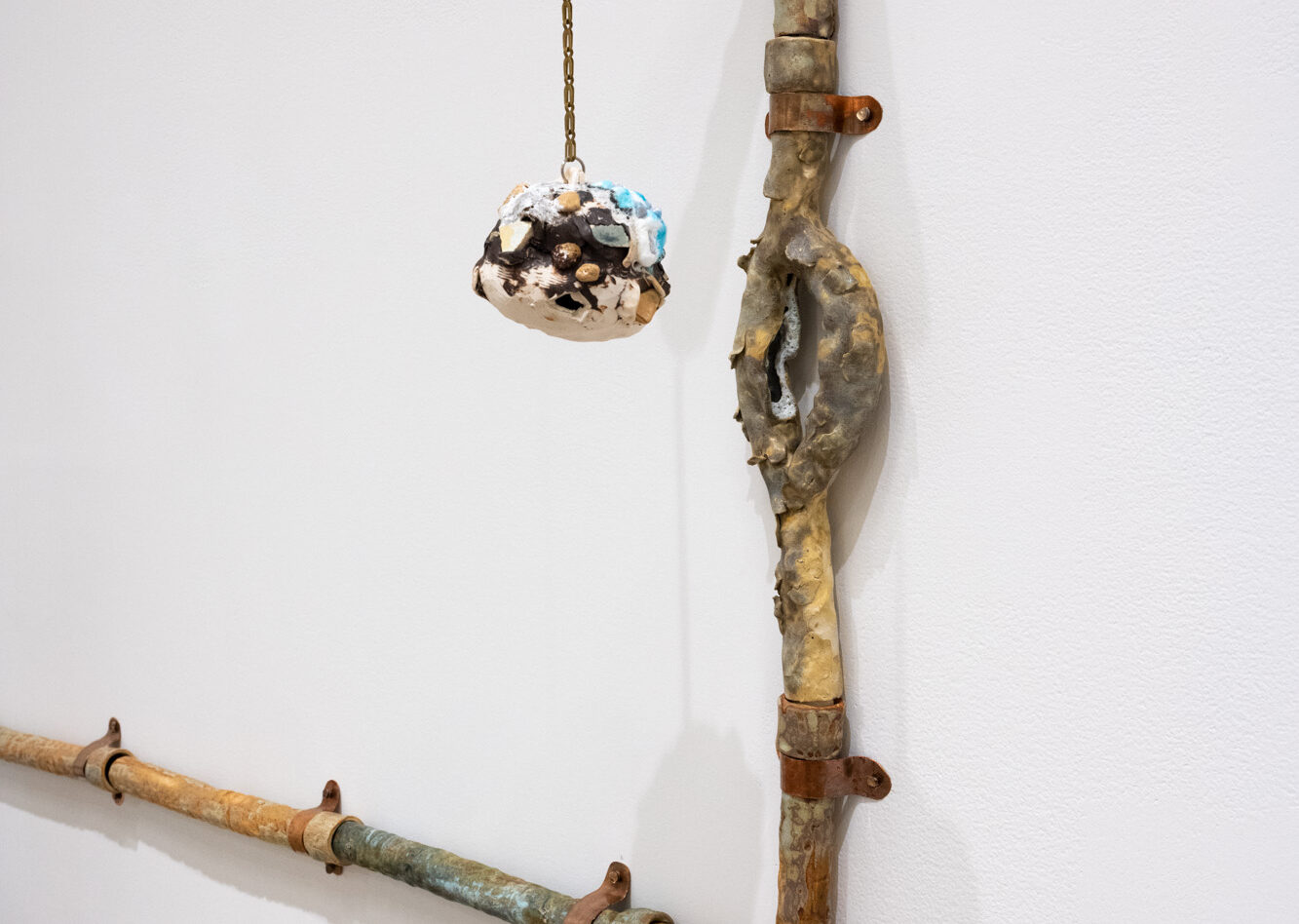
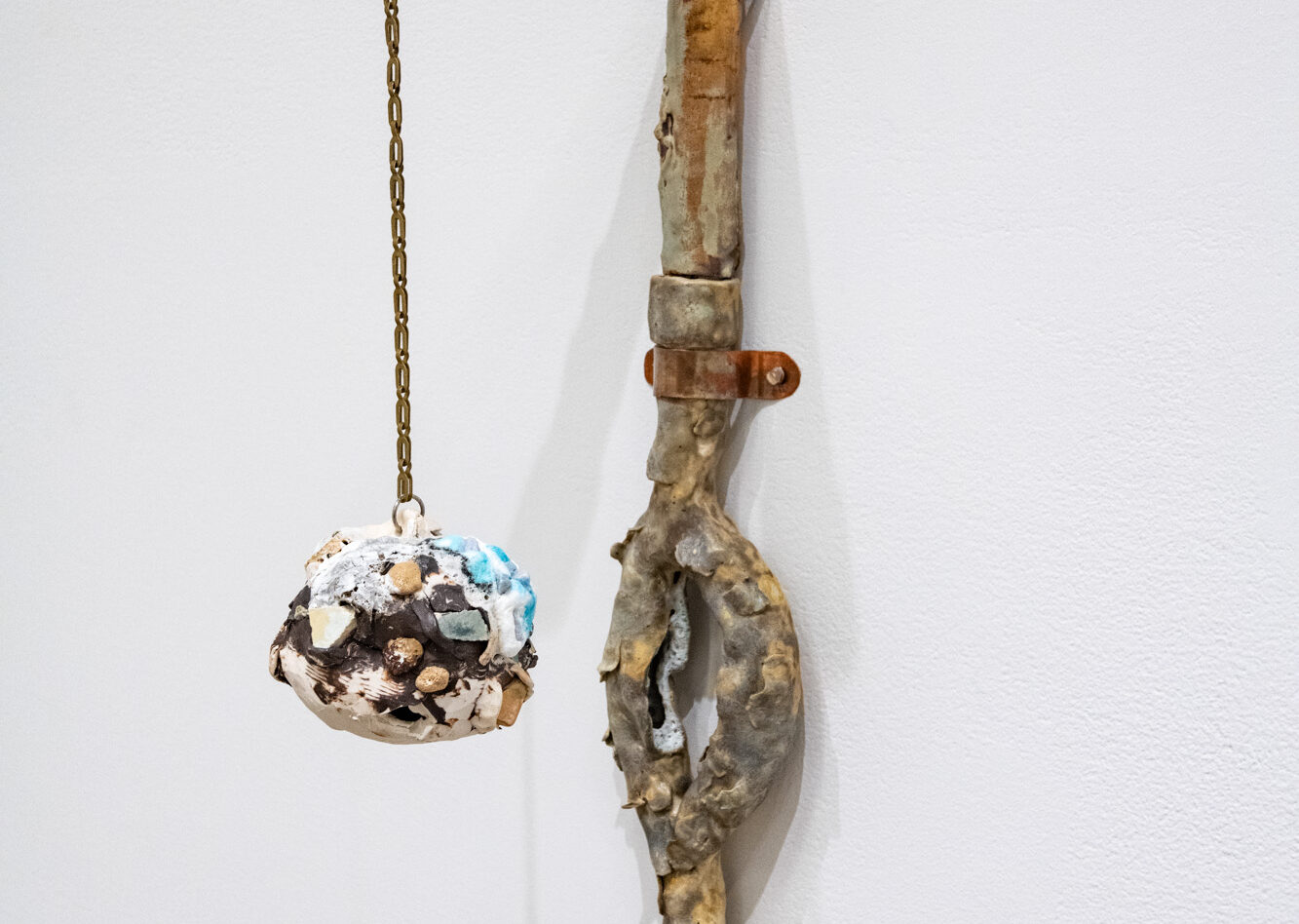
In Rome, Rebecca Ramsey discovered the persimmon, a fruit whose silky, shiny texture conceals a chemical threat. Ingested in large quantities, the high concentration of tannins in its skin can cause the formation of an internal mineral concretion, a solid mass called a bezoar. This occurs in the gastrointestinal system of mammals when indigestible matter (such as hair or unripe fruit) mineralizes with components such as calcium phosphate and magnesium, forming a hard stone. This phenomenon foregrounds the forces of biological digestion, enabling the artist to draw a parallel between the human body and the geological cycle. Just as rocks are created from seismic forces in the bowels of the earth, the human body also possesses the ability to form rock deep within its internal networks.
In shaping pipes and bezoars from the clay derived from eroded rock, Ramsey encourages viewers to move through the exhibition in a manner that mirrors the circulation of matter in a cyclical infrastructural metabolism; a spatialized system that connects the house to the city, and the body to the rock. Between vulnerability and functionality,
A long black bough invites us to contemplate the flow of a continuous movement.
— Joséphine Rivard
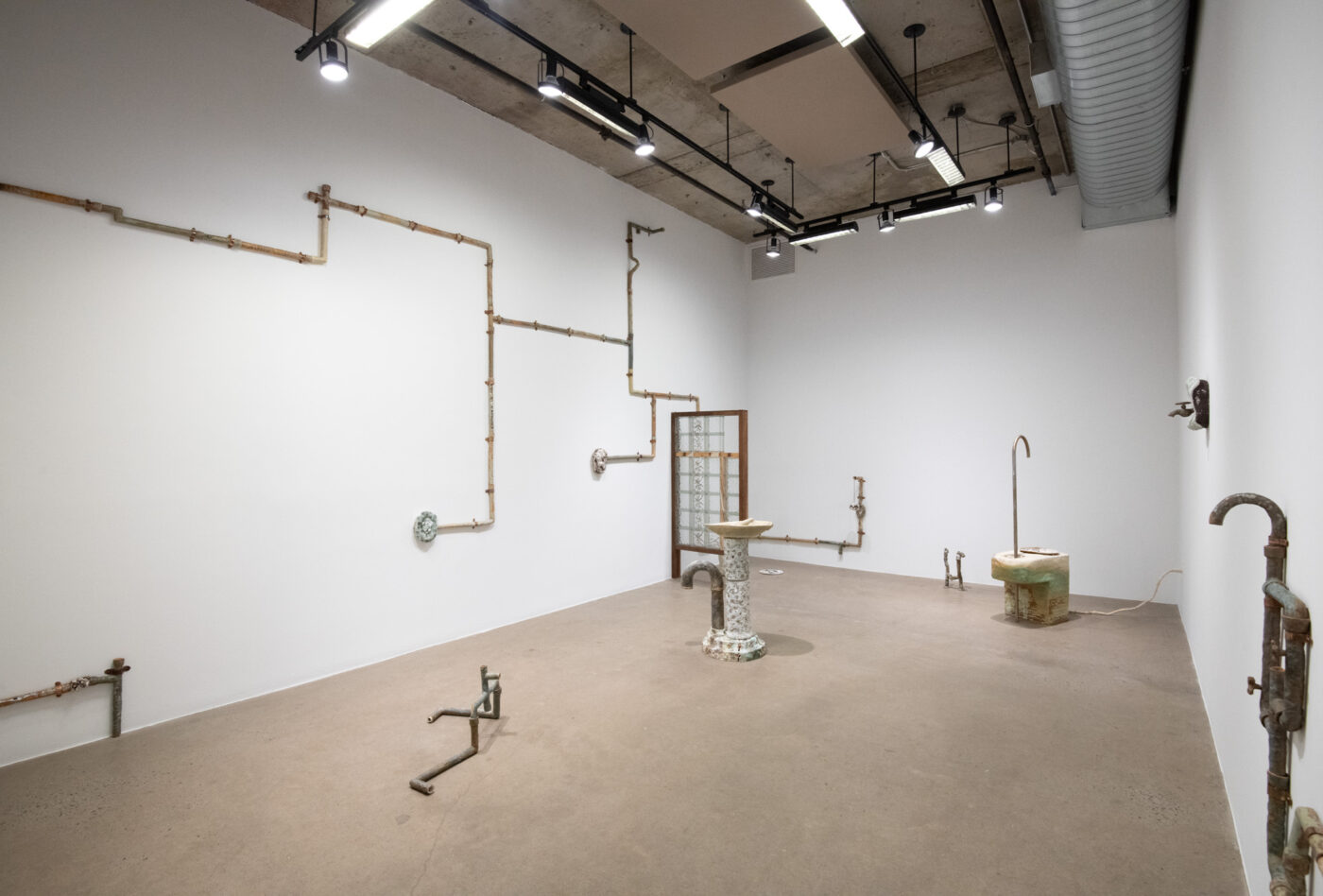
Photo : Paul Litherland
A crowdfunding campaign for emerging artists.
