Émile Riopel
S’il le faut, je me réduirai en cendres pour être sûr que le vent m’emporte
09.11–10.24.2026
Current

Opening
Thursday May 7, 6pm
Artist
Florence Viau
It’s the oldest luminous image of the universe. Before it, everything was opaque. A burning plasma composed of dense particles – photons, electrons, and baryons – produced a uniform whiteness, like a thick fog, from which photons couldn’t escape. But then, about 380,000 years after the Big Bang, the universe began to expand and cool. As the temperature dropped, recombination enabled the formation of hydrogen atoms. Free photons now circulated uniformly. They went in every direction without emanating from a specific source. They travelled through time and space, and they surround us even today. That is the first visible epoch.
In Rémanences, the cosmic microwave background serves as a conceptual basis for a perceptual experience in which light constitutes both subject and means. After producing a series of works in which she explored the allure of fireworks, Florence Viau now turns her attention to an ancient, mysterious radiance. Composed of microwaves, it escapes the naked eye, but modern observation instruments reveal its constant, unchanging presence. It haunts every moment of our life, although it usually lurks below our consciousness.
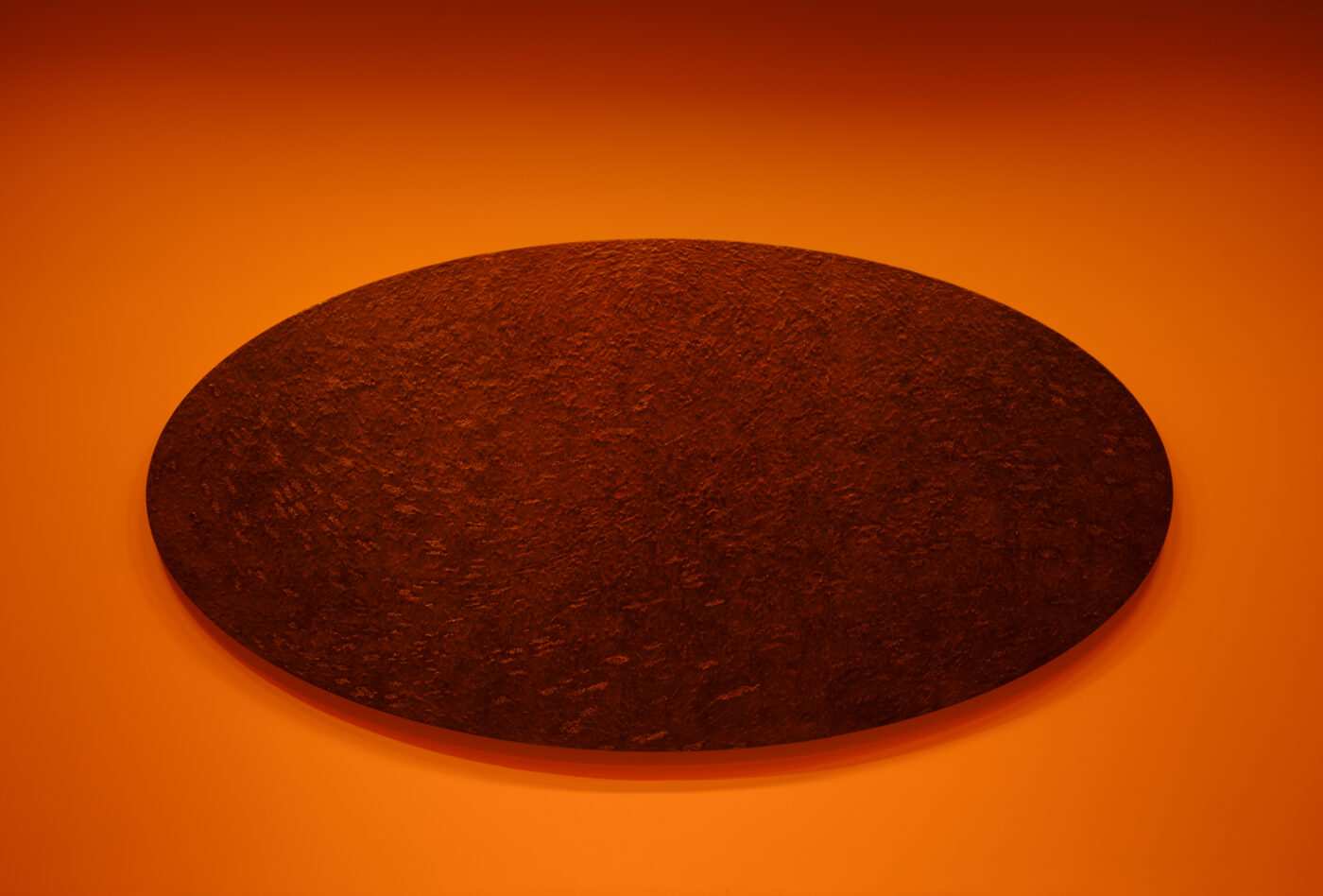
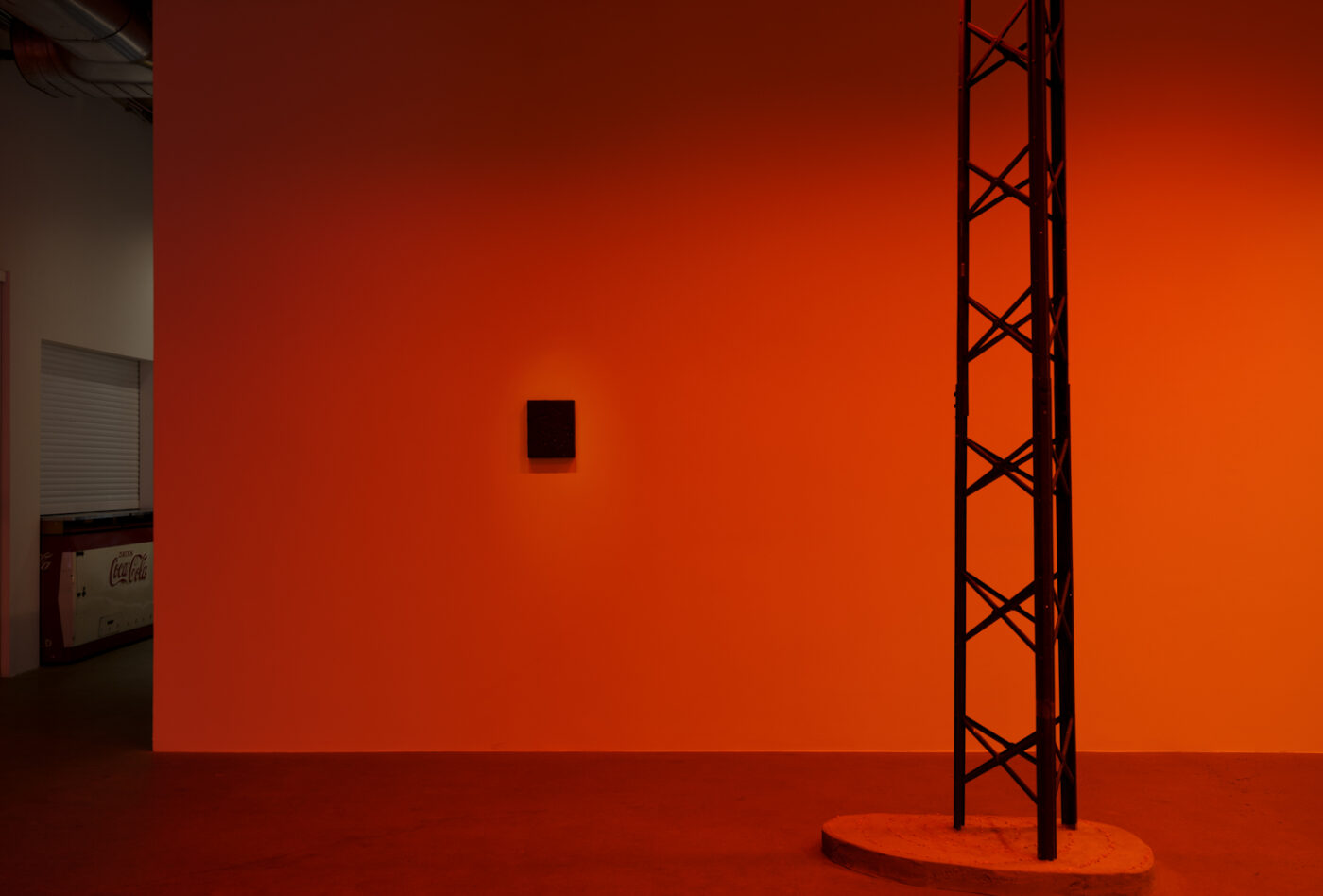
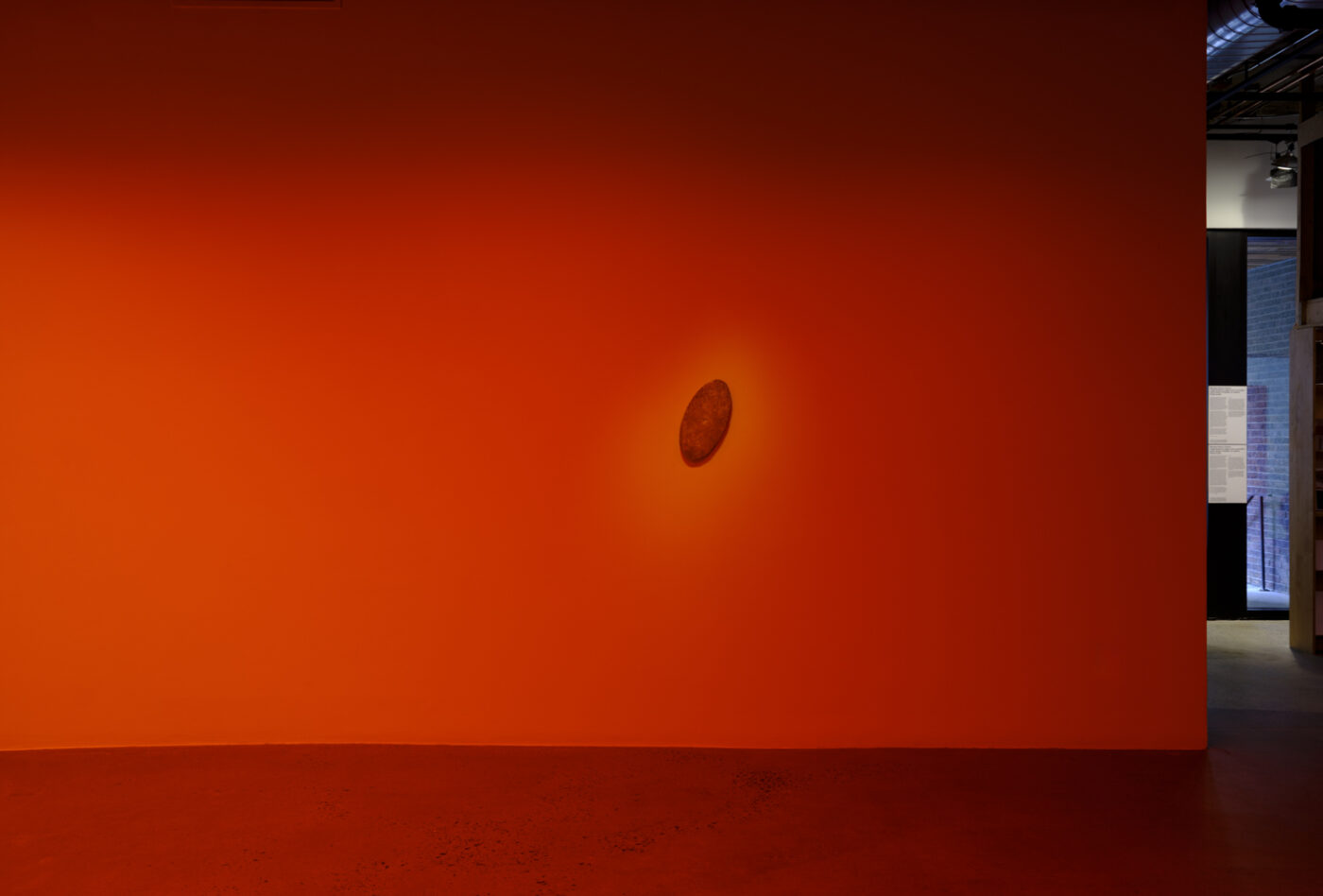
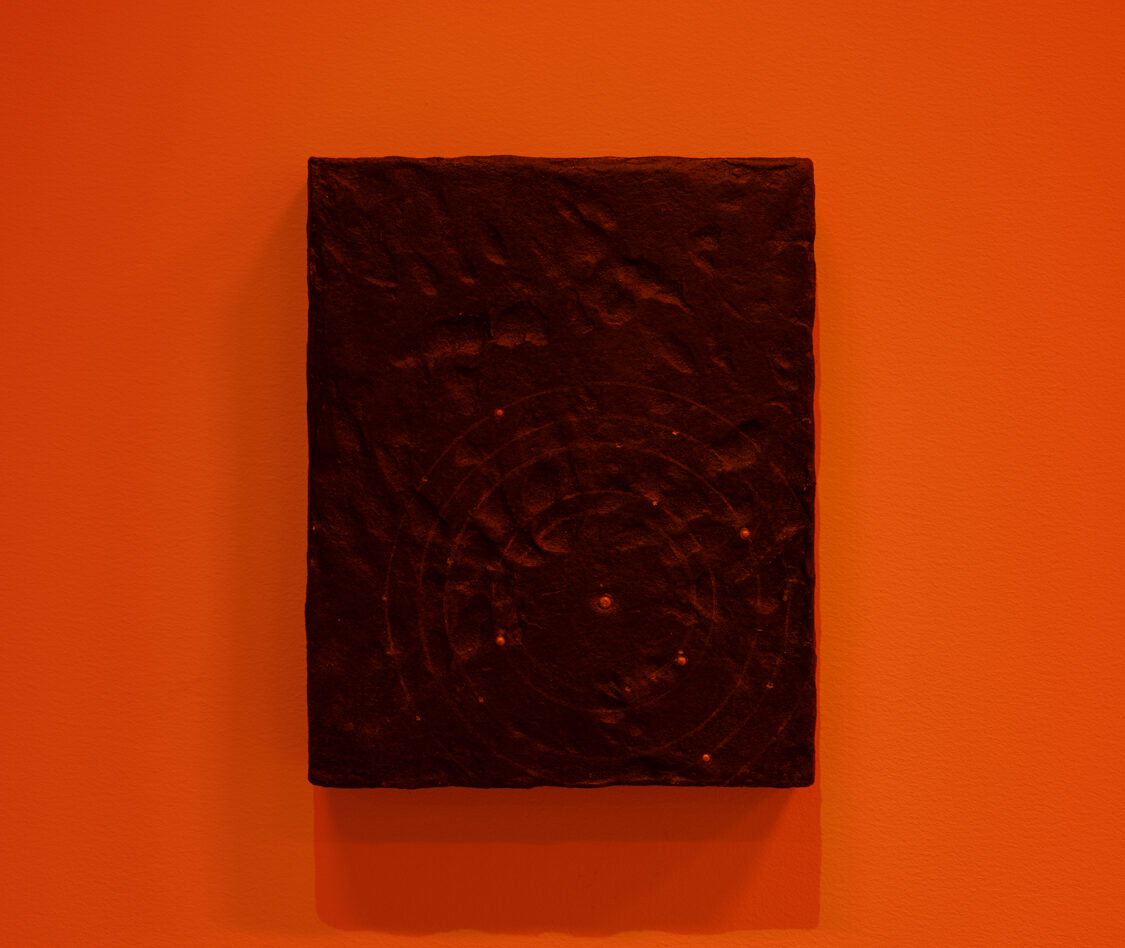
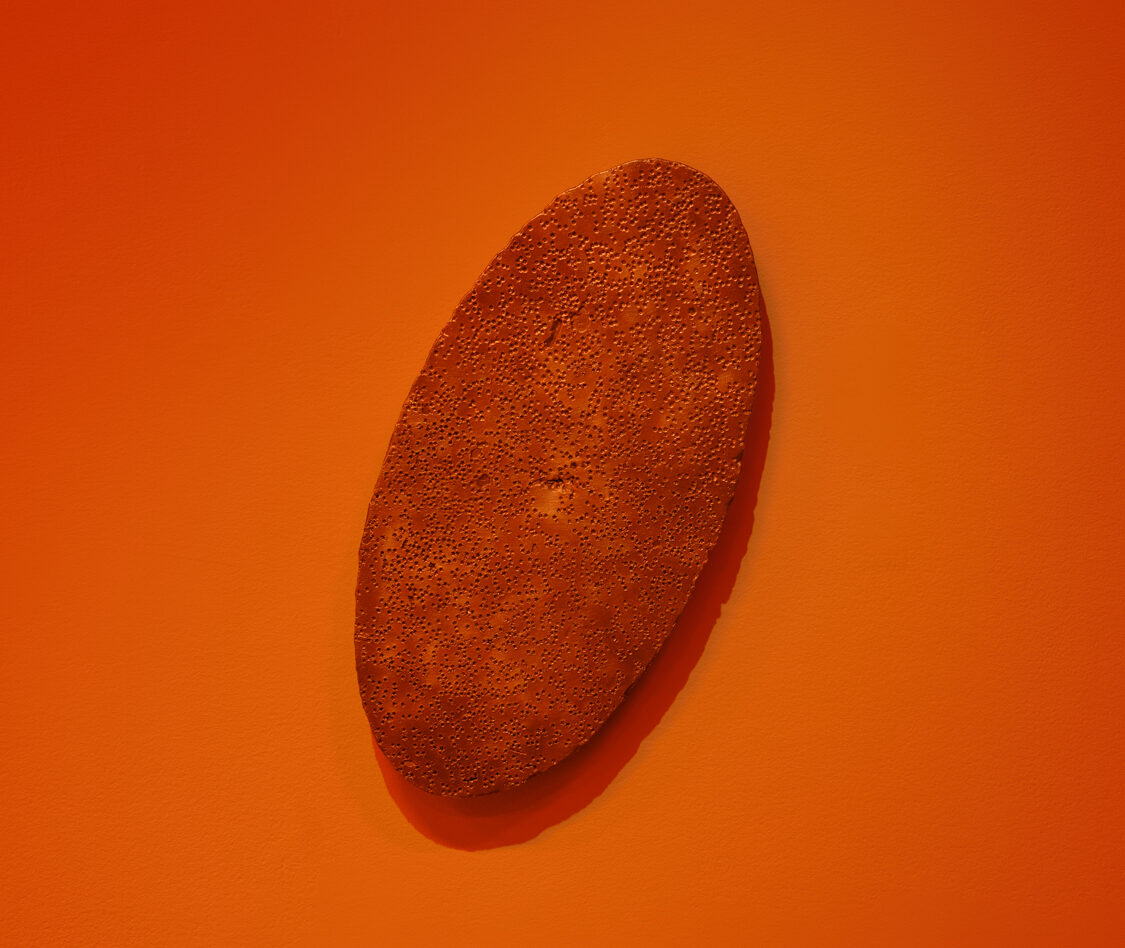
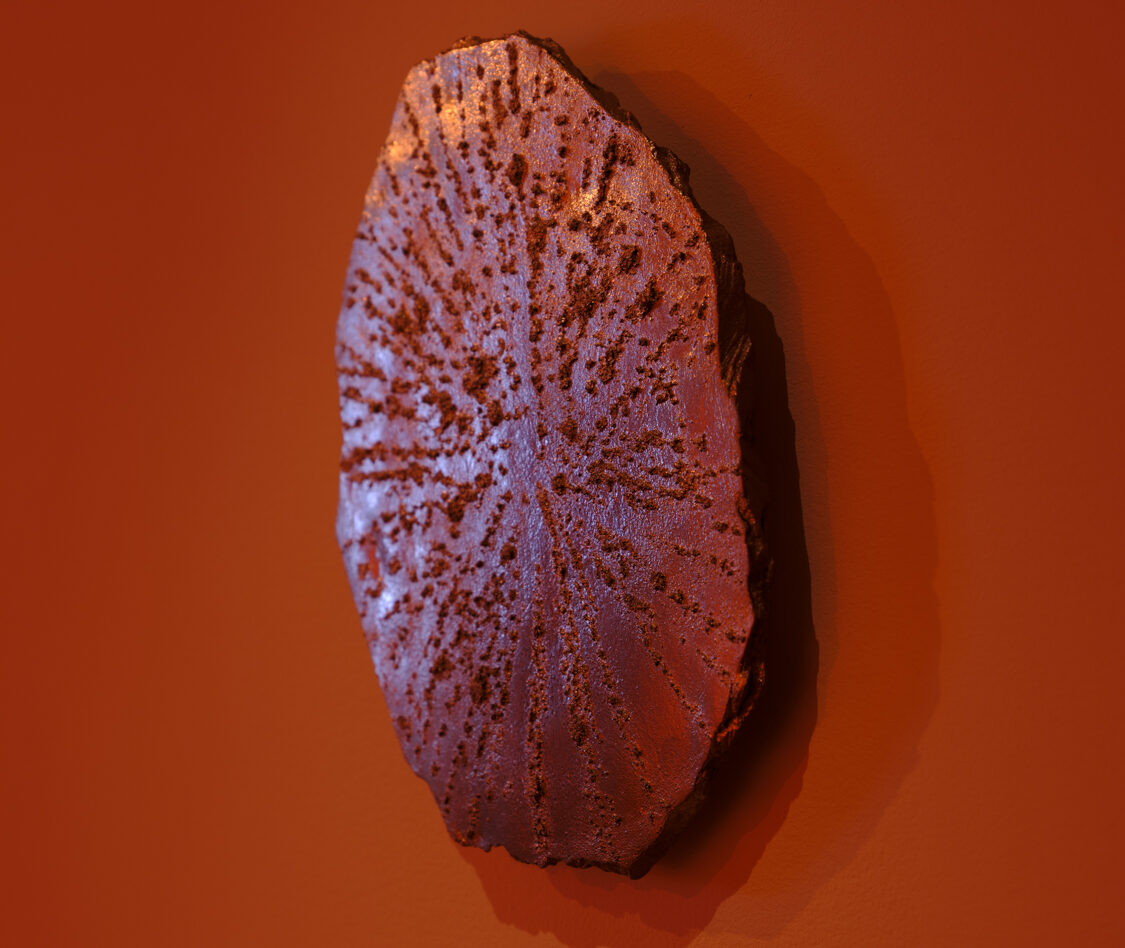
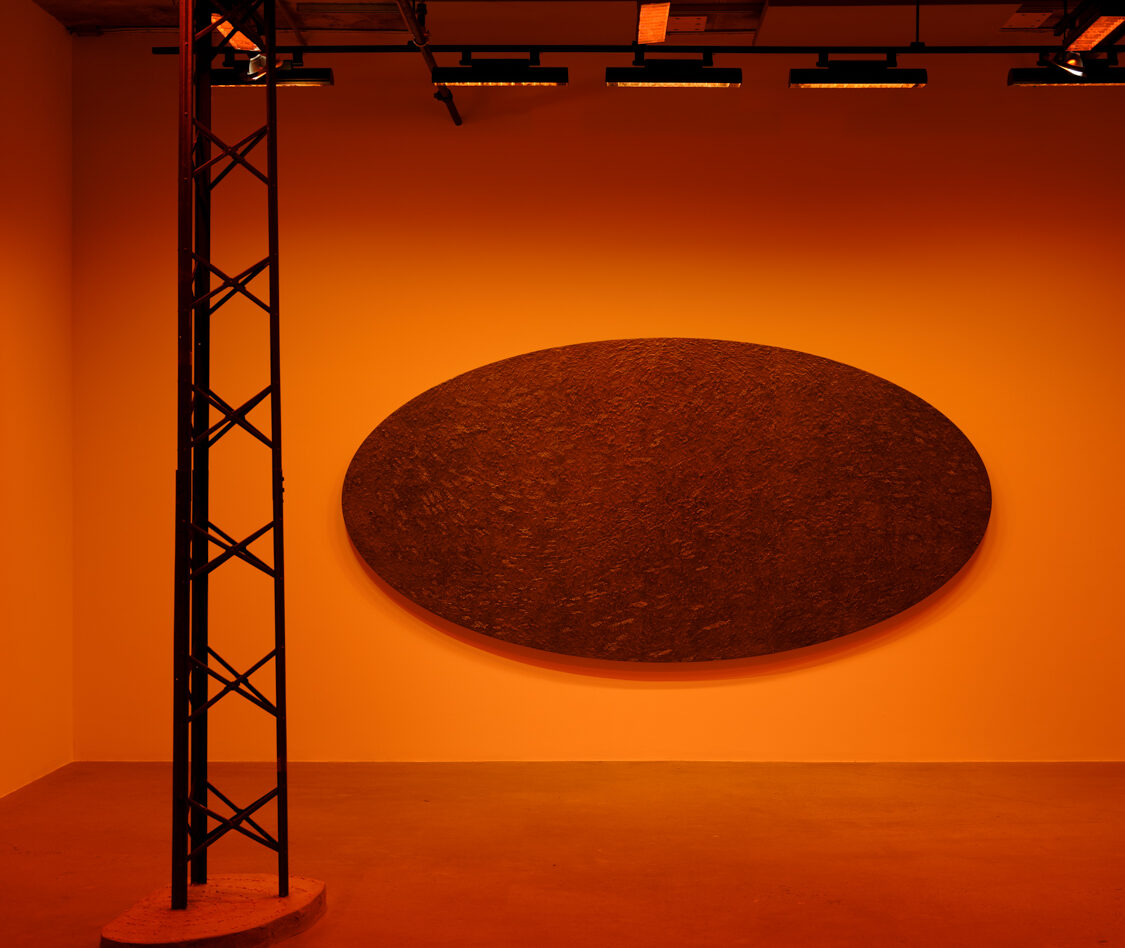
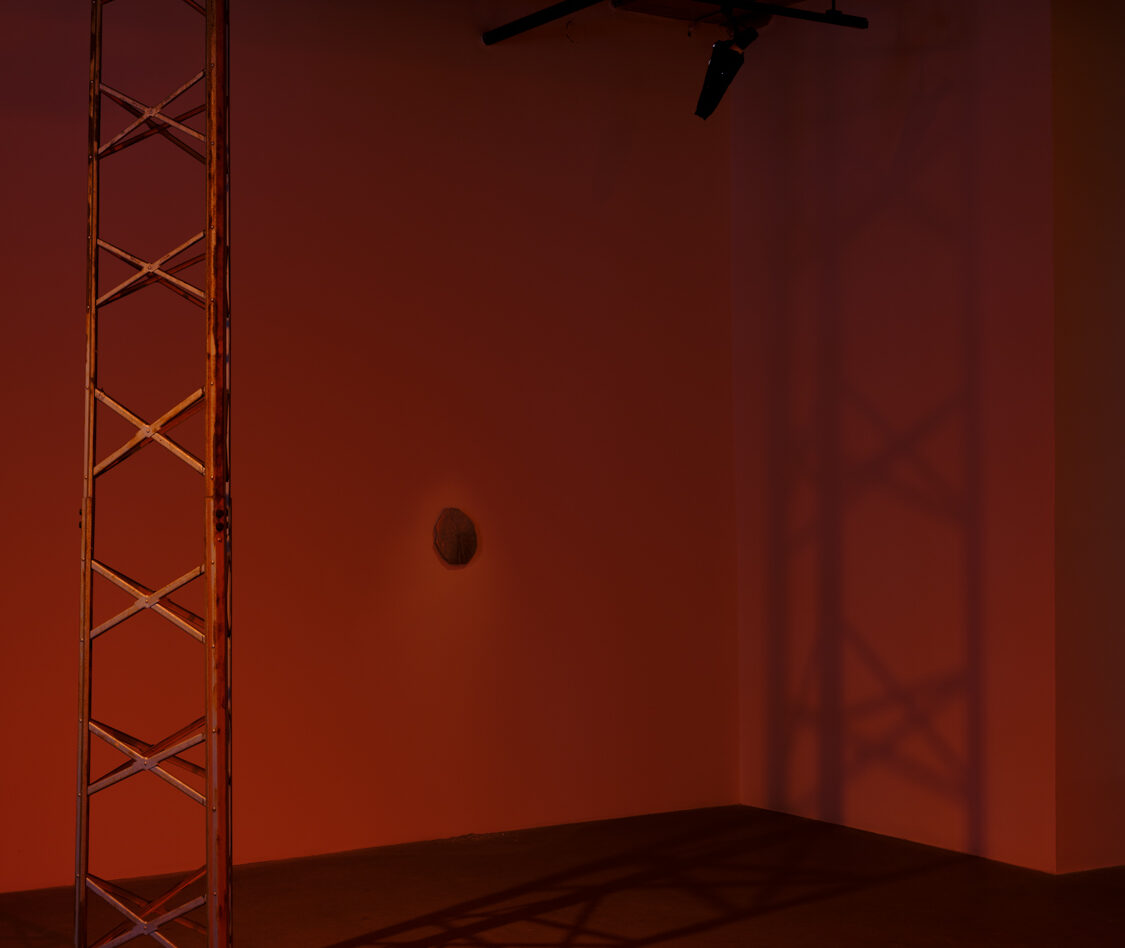
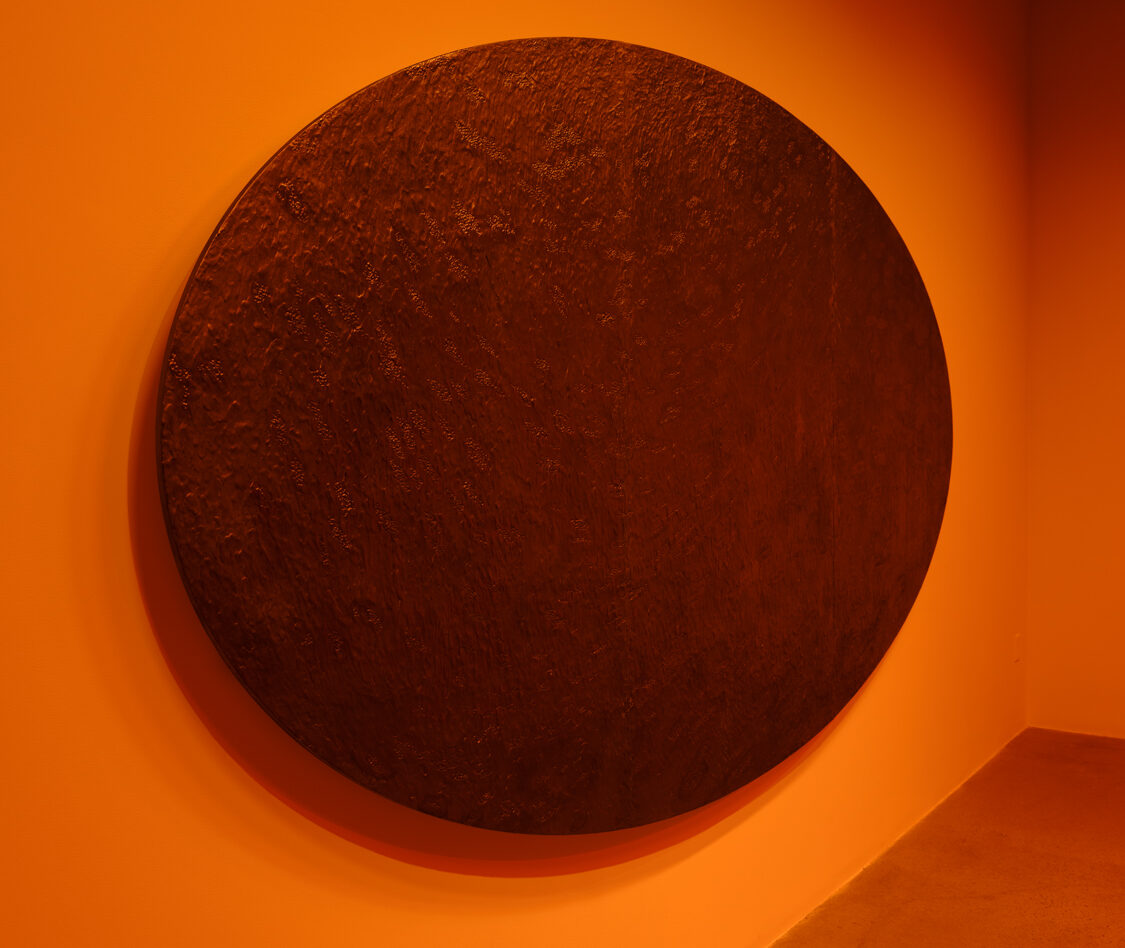
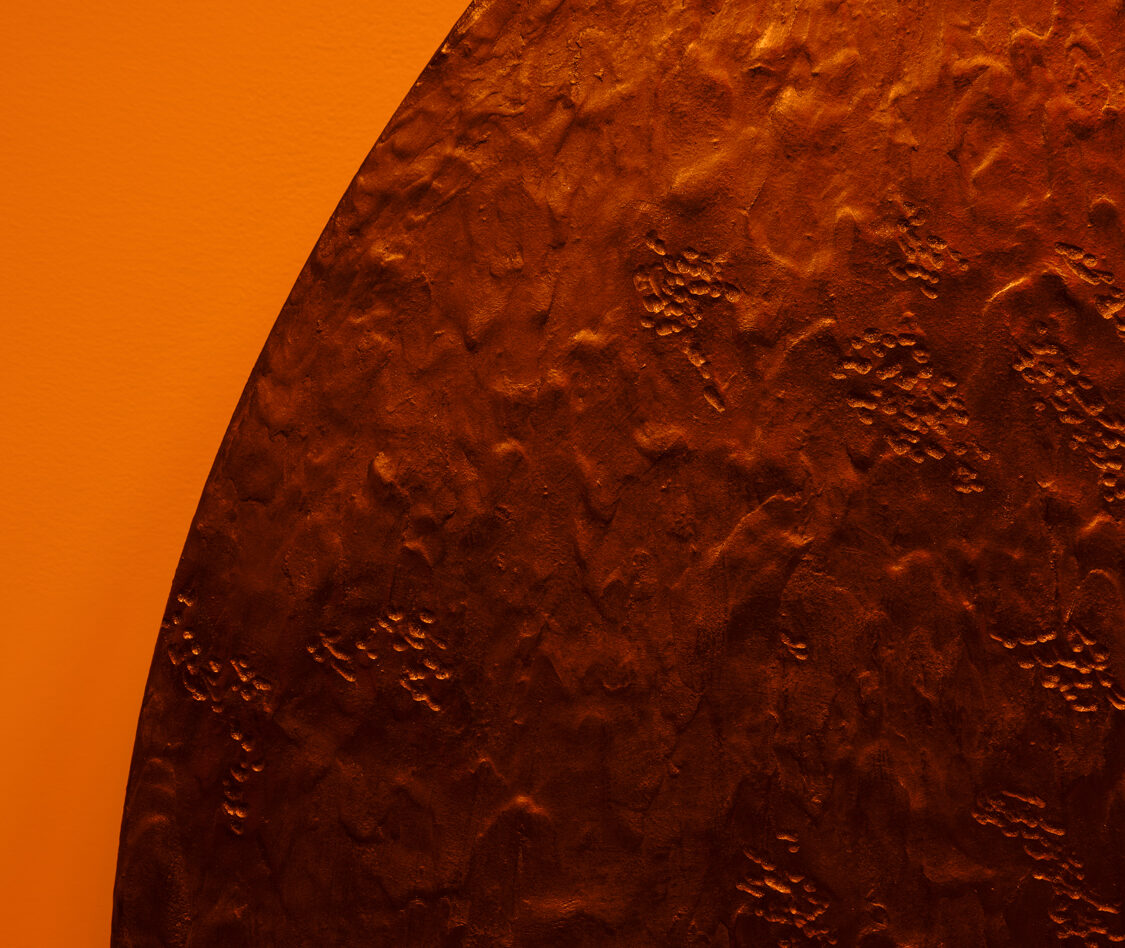
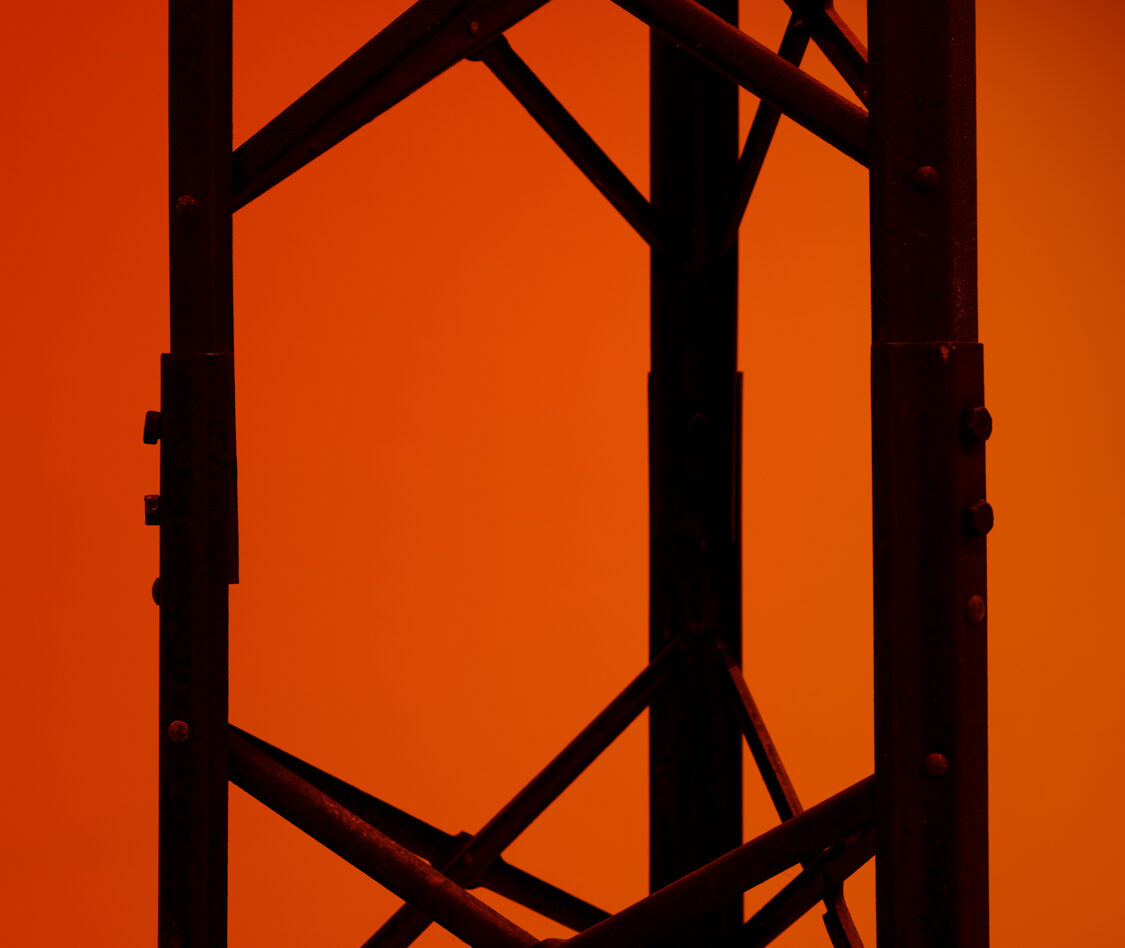
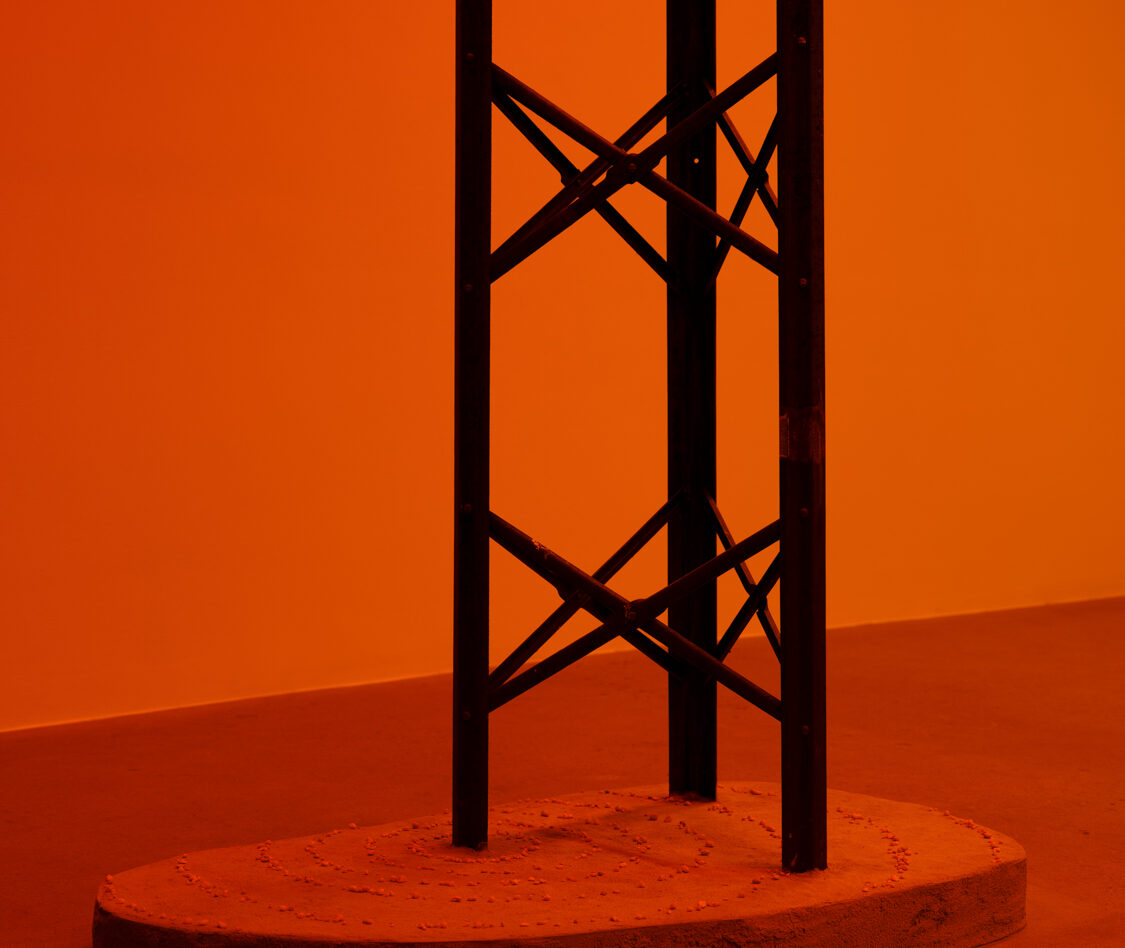
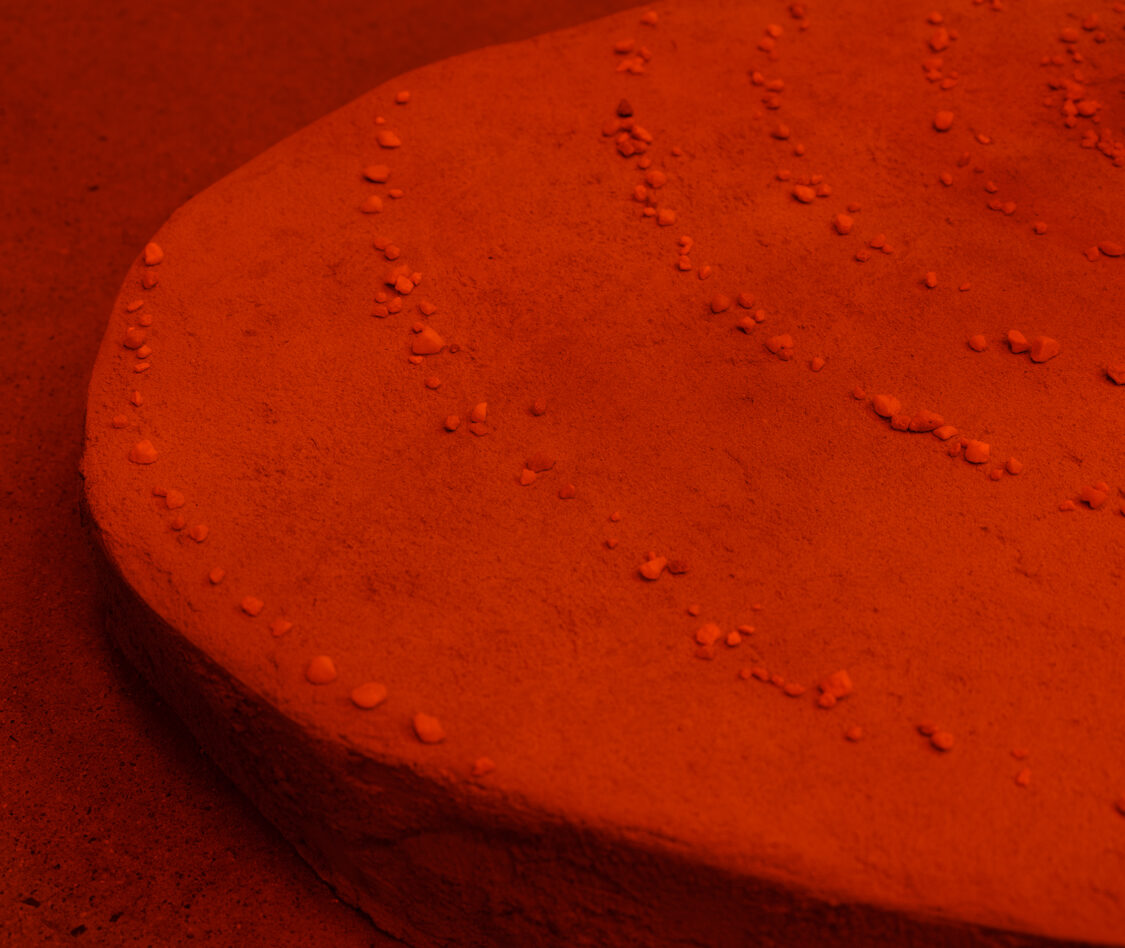
In the gallery, telecommunications towers pierce the sky. On the wall, a large oval bas-relief resembles a map, a planet, or a stone whose shards suggest fossilized traces. A colour gradient inspired by incandescence, ranging from hot white to orangey red to twilight, tints the air. Each of these elements evokes a different mode of image transmission. They constitute various attempts to make their presence tangible around and within us. Some function as decoys; others, as radiant clues to decipher. They establish a subtle tension between what is there and what is not, between what can be seen and what remains imperceptible, between certainties and vague intuitions.
The cosmic microwave background corresponds to the moment when the universe became transparent. In optics, transparency is a property of materials that let light through unimpeded; figuratively, it invokes truth and constitutes one of the cardinal values of modernity. Yet, nothing here is presented clearly for contemplation. Just as the Big Bang represents a widely accepted – but not fully verifiable – model for explaining the beginning of the universe, Rémanences spreads glimmers of comprehension.
— Josianne Poirier (trans. Käthe Roth)
Josianne Poirier is an art historian, author, and independent curator who specializes in issues related to nocturnal landscapes, art in public spaces, and forms of living together, including more-than-human life. She published Montréal fantasmagorique. Ou la part d’ombre des animations lumineuses urbaines (Lux Éditeur, 2022), an essay widely praised by critics. Produced in collaboration with Julie Bélisle, her most recent curatorial project, Un monde en commun (Fondation Grantham and Biosphère, 2026), explores the notion of hospitality extended to territories and to all living beings that coexist within them. Josianne Poirier holds a Master’s degree in Urban Studies (INRS) and a PhD in Art History (Université de Montréal).
The artist would like to thank the team at Centre CLARK, Atelier CLARK, and the AuNiveau workshop for their support, as well as Josianne Poirier for her evocative words, Laurent Le Bel-Roux, Mathias Madelein, Juan Ortiz-Apuy, and Rémi Boucher.
Rémanences is a Master’s exhibition project in Sculpture and Ceramics at Concordia University, supported by the Fonds de recherche du Québec – Société et culture (FRQSC).


A crowdfunding campaign for emerging artists.