
Offre d’emploi: Responsable des communications
04.08.2026
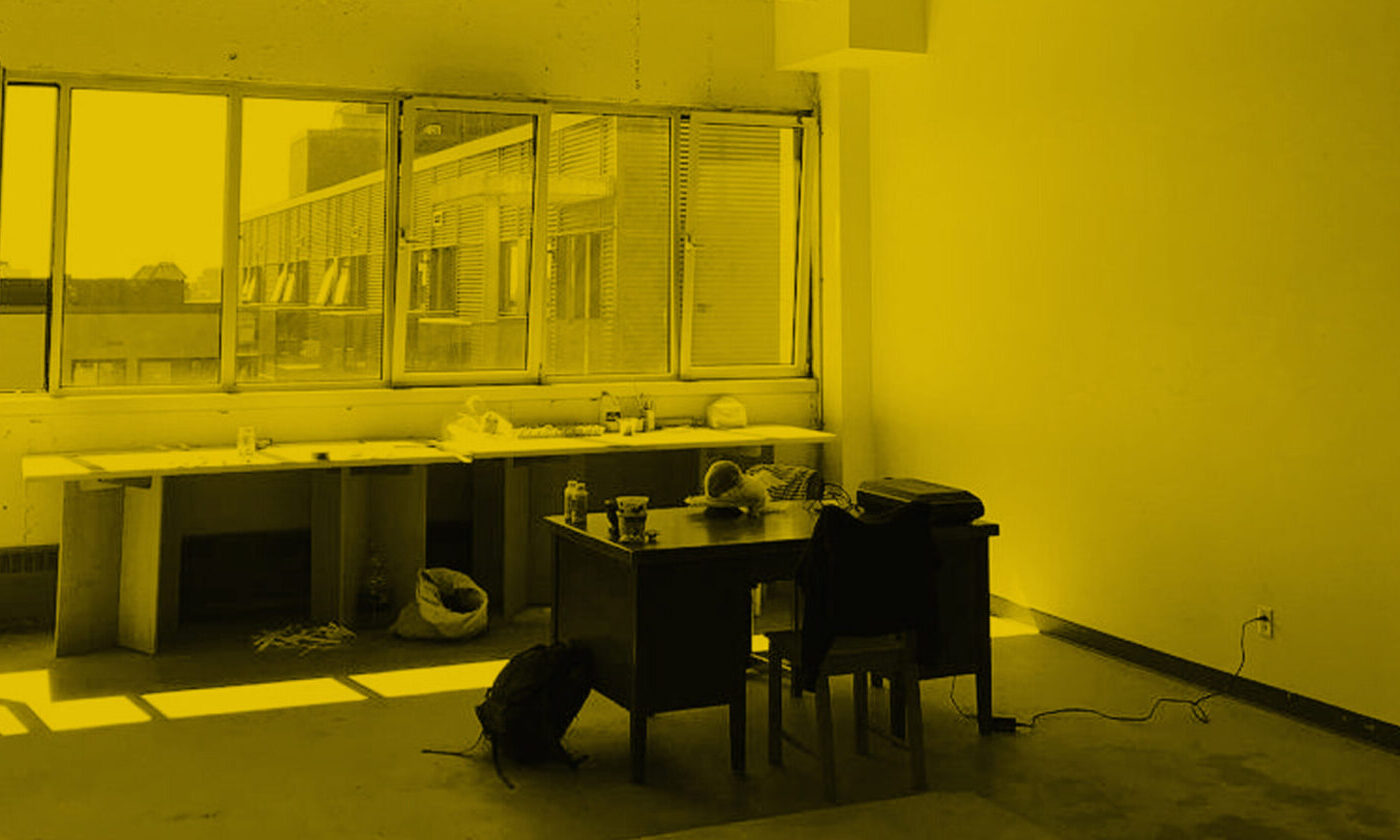
The Centre d’art et de diffusion CLARK and the Indigenous Curatorial Collective/Collectif des commissaires autochtones (ICCA) are partner to offer an opportunity for a studio residency at the CLARK during Winter 2022 (January 30 to March 30) to an Indigenous (First Nations, Metis or Inuit) artist or curator based on the territory known as Quebec. This residency will allow the chosen candidate to work on a corpus of artwork and/or to do research related to their artistic or curatorial practice. The artist or the curator will therefore have exclusive access to an individual studio space, in addition to having access to the Atelier CLARK (woodworking and carpentry workshop). The chosen candidate will benefit from Centre CLARK and ICCA resources, and support to ensure that the artist or the curator can accomplish their own research goals set for the residency.
A public presentation will be organized in the studio near the end of the residency.
Support during the residence
Each residence is accompanied by:
Proposals must include (pdf document):
Deadline to submit a proposal: December 10, 2022
Dates of the residency: January 30 to March 30, 2023
Application materials can be submitted by email to: [email protected].
The Indigenous Curatorial Collective/Collectif des commissaires autochtones (ICCA) is an Indigenous run and led non-profit organization that aims to support and connect fellow Indigenous curators, artists, writers, academics, and professionals through various methods of gathering. The ICCA engages in critical discourses, increases professional opportunities for our members, develops programming, and most importantly works to build reciprocal relationships with Indigenous curators, artists, communities and the institutions we engage with.




A crowdfunding campaign for emerging artists.