Anne-Renée Hotte
Les rencontres ne savent pas qu’elles ont lieu
09.11–10.24.2026
Current
Opening
Thursday June 26, 6pm
Discussion
Thursday July 17, 6pm
Artists
Curator: Amed Aroche
Lester Alvarez
Kevin Avila
Raychel Carrión
Liliam Dooley
Leandro Feal
Ernesto Oroza
Luis Manuel Otero Alcantara
Nuit éternelle, désobéissance esthétique stems from a critical reading of the Cuban political context and current artistic practices to bring together seven works that explore independent art on the island as a form of resistance. Structured around two notions of the night, as a political space-time and as a metaphor for an unyielding State, the exhibition gathers works shaped by censorship and the pursuit of autonomy, functioning as both documents and acts of aesthetic disobedience. This disobedience is understood not as a formal style, but as an embodied action: a way of feeling, thinking, and signifying that challenges imposed norms, particularly in a context where laws like Decree 349 institutionalize the repression of art not aligned with power.
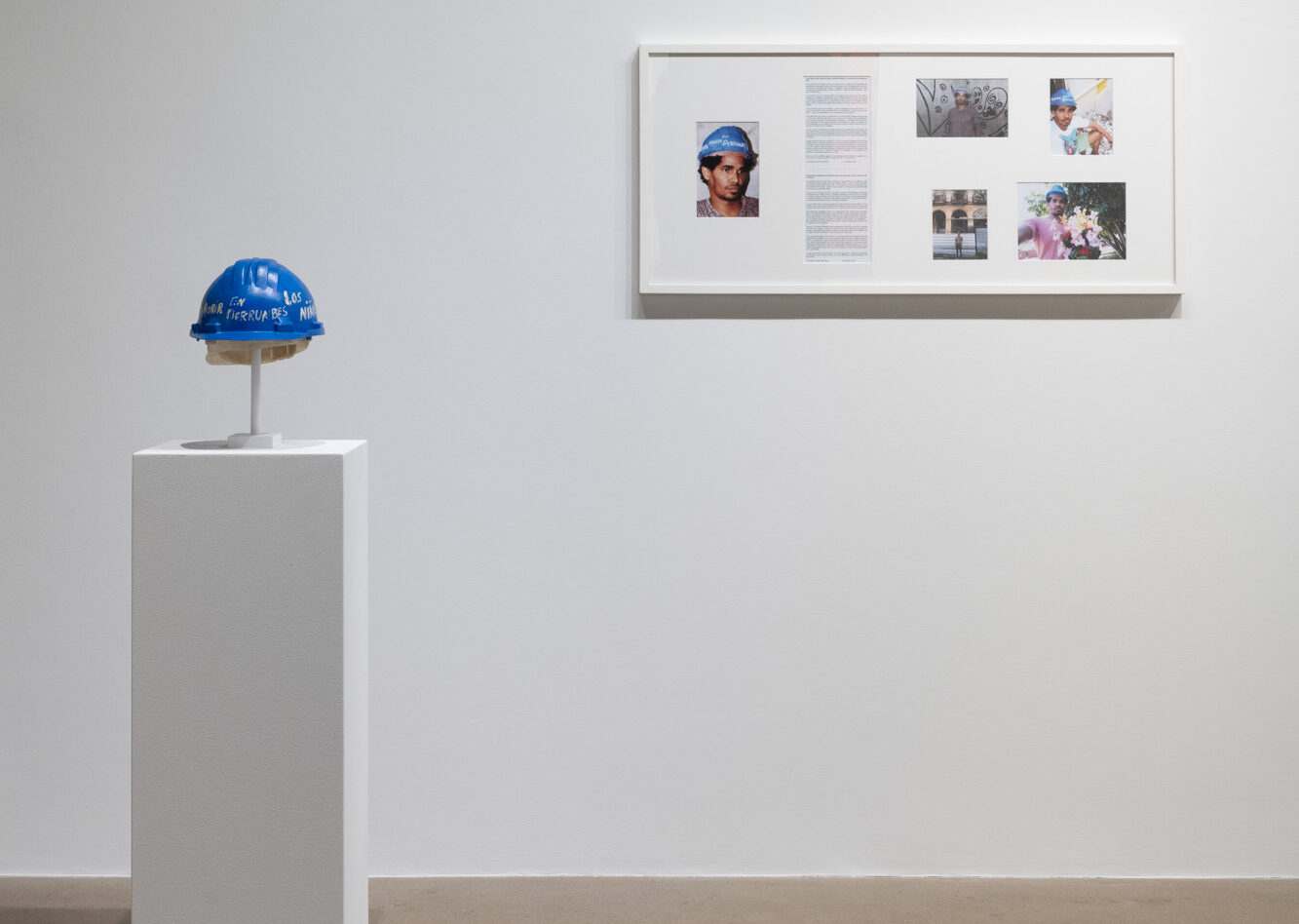
This is the case of Luis Manuel Otero Alcantara, an artist imprisoned since 2021 in a maximum-security prison in Cuba. His performance Children Were Born to Be Happy, Not to Die in Collapses (2021) was one of his last actions before his incarceration. Otero works within the logic of art of political timing specific: his practice emerges from deep social and political immersion in the everyday life of the city, as well as from an almost ethnographic sensitivity.
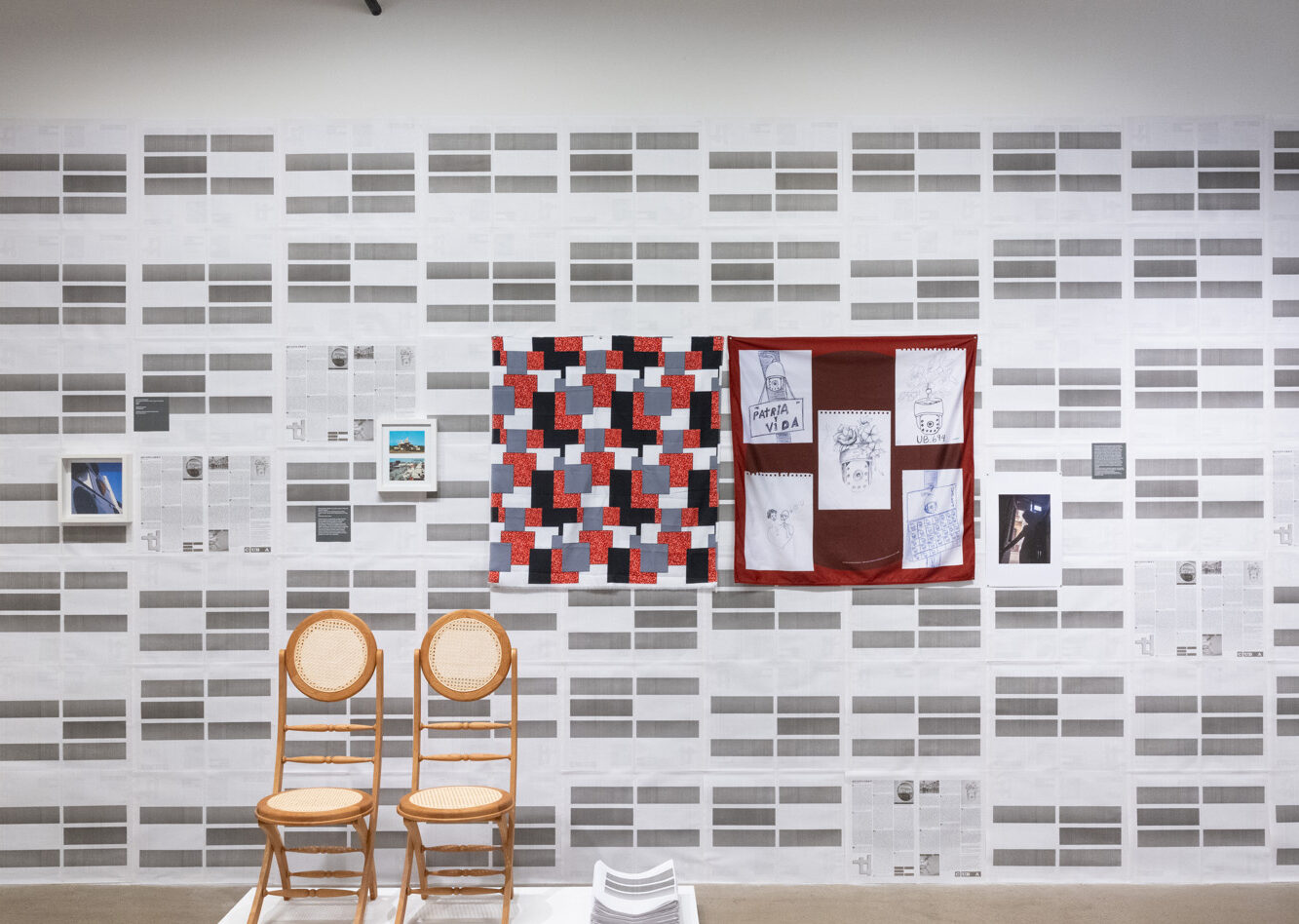
Ernesto Oroza presents Quodlibet (Exposicuba) (2025), a work that activates multiple archives to weave together political and aesthetic narratives about contemporary Cuba. Based on ongoing research into the Cuban Pavilion at Expo 67 in Montreal, Oroza draws connections between the iconography and history of this emblematic building and the experiences of surveillance and imprisonment faced by contemporary Cuban artists like Hamlet Lavastida and Luis Manuel Otero Alcántara.
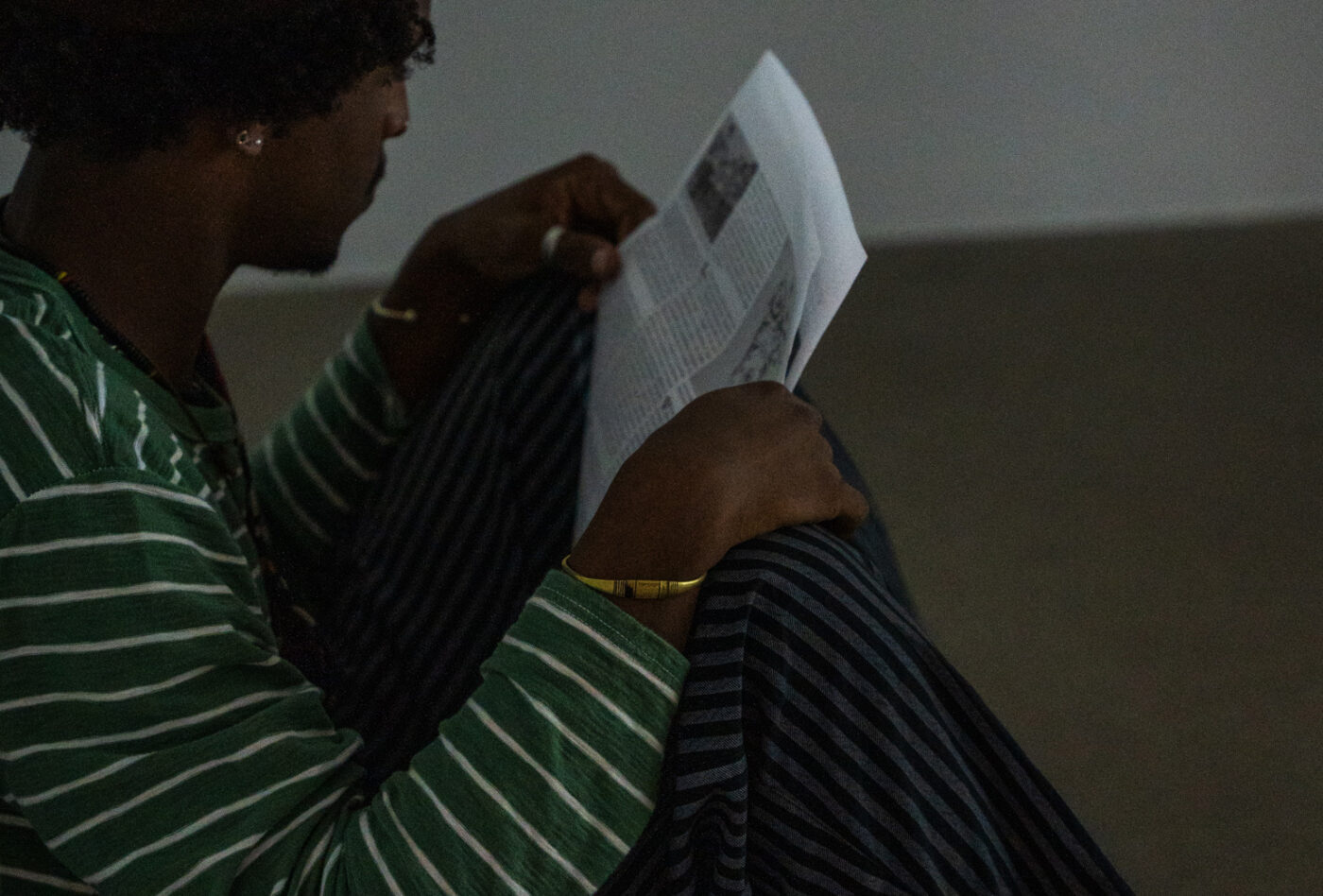
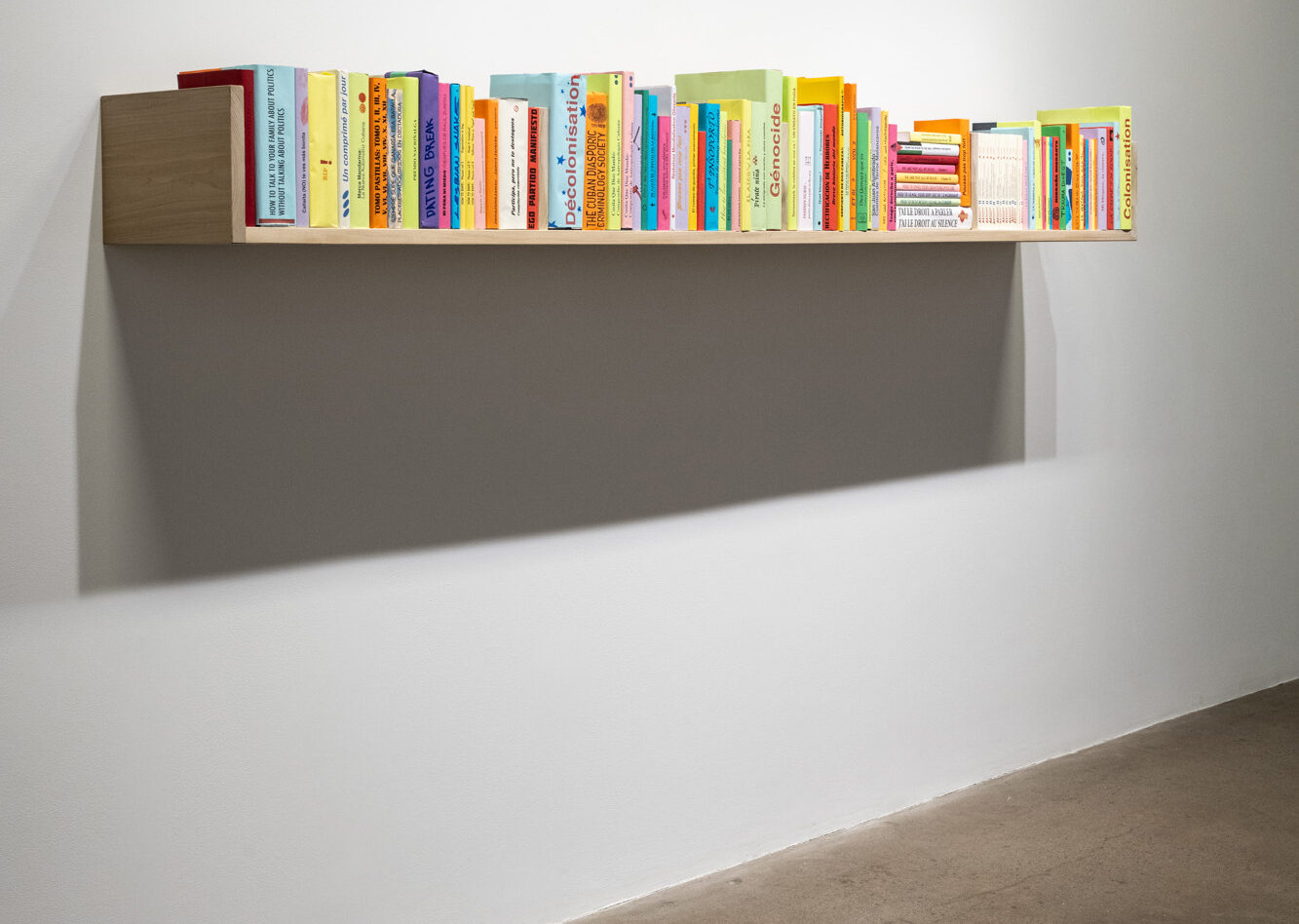
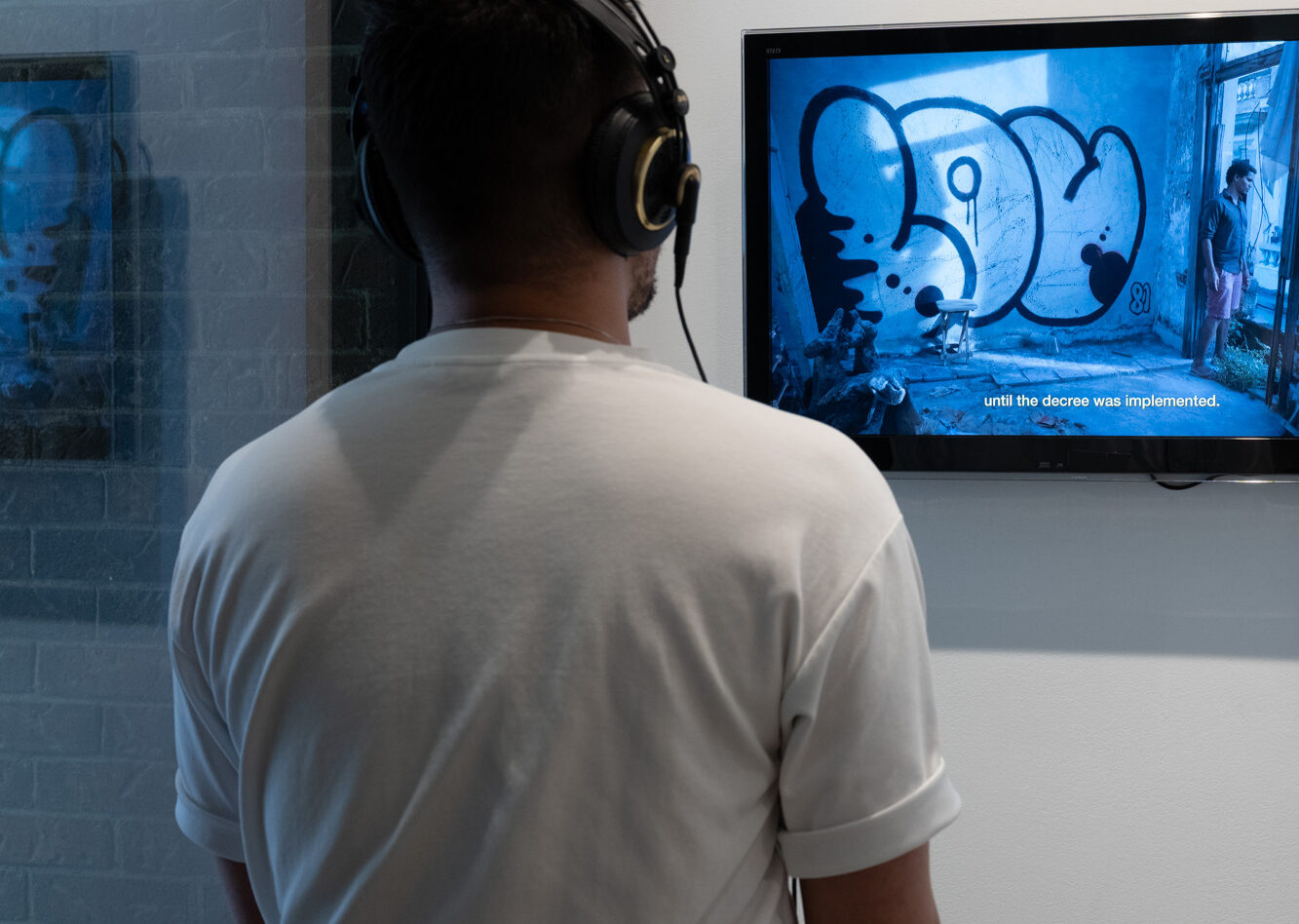
In the installation Library for Spine Readers (2024), Lester Alvarez and Kevin Avila present an ironic archive that parodies state censorship by creating fictional book titles that would be impossible to publish under an authoritarian regime. For the Montreal edition, the titles were conceived by artists, students, and researchers living in the city, including members of various diasporic communities. In this way, a piece originally centered on Cuban censorship also becomes a broader reflection on the many forms of censorship that exist globally.
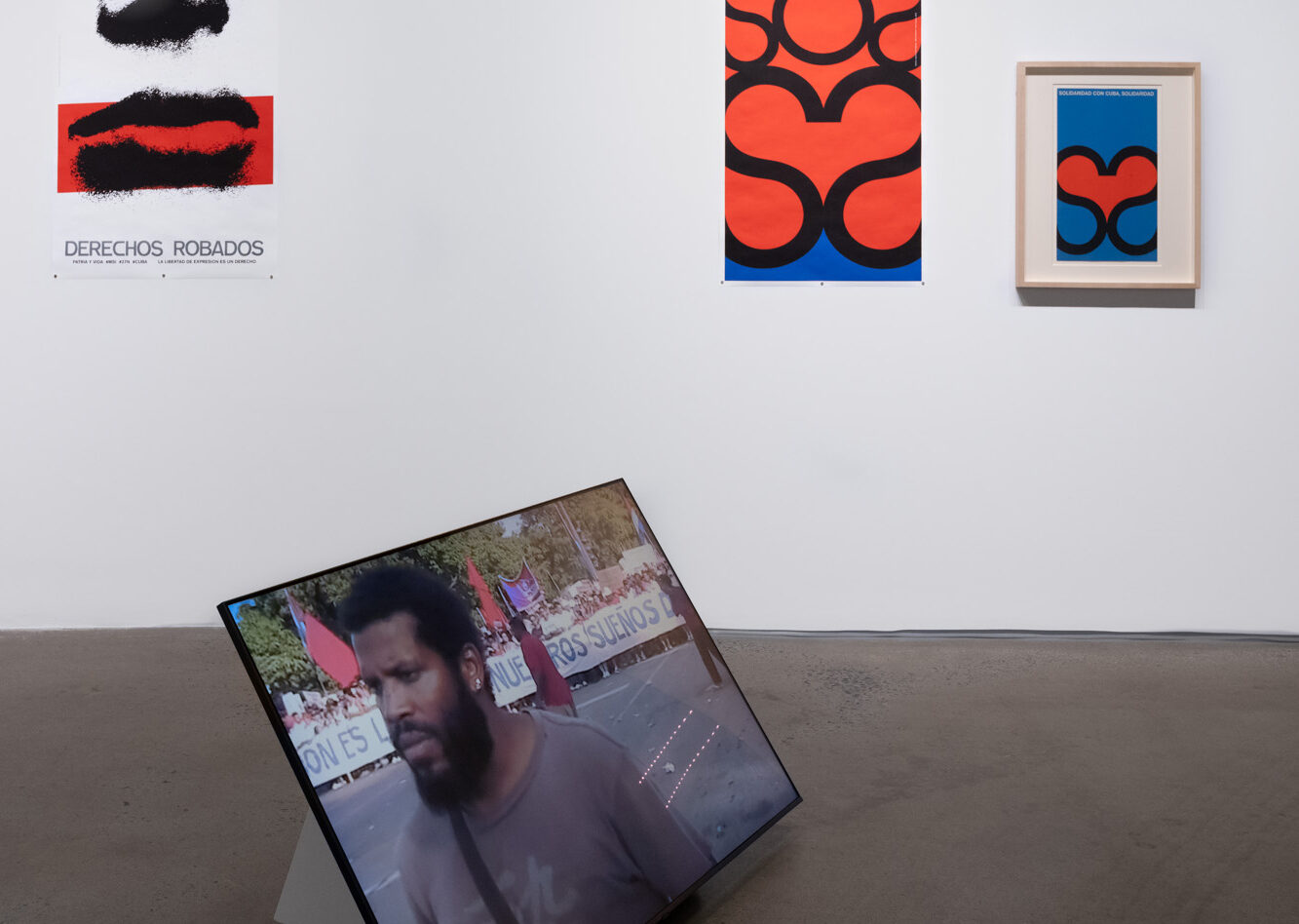
In this spirit of writing and rewriting history, artist and designer Liliam Dooley blurs the lines between art and design by updating the political messages of iconic posters from Cuba’s graphic history. In one poster, Dooley transforms the title Besos Robados (1970) into Derechos Robados (2025). She applies the same gesture to a Solidaridad con Cuba (1969) poster by Félix Beltrán, part of the Musée des beaux-arts de Montréal (MBAM) collection.
In Fallas de origen (2008), Raychel Carrión is seen parading in slow motion during Havana’s traditional May Day march. Through a politics of slowness, Carrión decelerates and disrupts the official choreography of the event, critically intervening in its theatricality. His body interrupts the script of power, challenging the State’s homogenizing narratives. In contrast to the revolutionary ideal of the strong, obedient, and invincible man, the artist embodies a vulnerable and dissident figure. Fallas de origen offers a powerful reflection on the relationship between the individual and the collective in Cuba.
La fiesta Vigilada (2015–2024), a documentary video by photographer and filmmaker Leandro Feal, aligns with disobedient logics of archiving and documenting an alternative reality: the narrative of a world parallel to the Cuban state doctrine, set in the space-time of Havana’s nightlife. In this video, bodies converge in the night, seeking refuge and reinventing reality through the political capital of the party.
Through this articulation of archives, collections, and documents, the exhibition unfolds as a critical essay on the aesthetic of disobedience expressed through political dissent in art. The curatorial approach seeks to open up dialogue in order to rethink political horizons in an increasingly violent, unjust, and polarized world.
This exhibition is produced in partnership with Projet Casa.
Read the essay written by curator Amed Aroche: here.




A crowdfunding campaign for emerging artists.
